Glucose
What glucose does in skincare, how this simple sugar can act as a humectant, and why it is usually a formula supporting ingredient.
Extremely safeIn 7 products we cover
We may earn a commission when you buy through links on this page. It never changes what we recommend.
Quick facts
- INCI name
- Glucose
- CAS number
- 50-99-7
- Origin
- Plant-derived or Biotech (fermentation)
- Chemical class
- Monosaccharide sugar
- What it does in a formula
- humectant, skin conditioning
- Why it is in the formula
- Glucose helps attract water and can support the humectant blend in a moisturizer or serum.
What it is
Glucose is a simple sugar and natural humectant that attracts and binds water within cosmetic formulas. Also known commercially as dextrose, it is typically derived from plant starch or microbial fermentation. While glucose is naturally present among the water-soluble elements of skin, cosmetic glucose hydrates formulas without replicating the skin’s complete natural moisturizing system.
You may find glucose in a moisturizer, serum, mask, or other formula that uses a blend of humectants. Its job is modest and depends on the rest of the product. Glycerin, for example, may be doing more of the familiar water-binding work in the same formula. The amount of glucose is not shown on a standard ingredient list, and its position on the label does not identify how sticky or hydrating the finished product will feel.
What it does
- Attracts water. As a humectant, glucose can help bind water in a formula and contribute to a hydrated skin feel.
- Supports the moisture blend. It can work alongside amino acids and other humectants rather than acting alone.
- Contributes to texture. Sugars can influence how a product feels as it spreads and dries.
Who it suits
Glucose is not a strong active aimed at one skin type. A formula containing it may suit skin that enjoys humectant-rich products, but the entire blend matters. If your skin feels dry, you may prefer a product that combines water-binding ingredients with emollients that soften the surface. If the finish feels tacky, a different formula may be more comfortable.
Glucose in a cosmetic is a basic carbohydrate ingredient, not a claim that a product feeds skin. If a product causes persistent irritation, stop using it and ask a dermatologist about recurring concerns.
What to pair it with, and what not to
Glucose can sit alongside other humectants and emollients. Choose a moisturizer whose texture is comfortable.
Skin Realist check: A sugar on the label is a chemistry fact, not an invitation to snack on your moisturizer.
Quick picks with Glucose
Scent-free, no patch-test flags on the label
Perricone MD Cold Plasma Plus+ Advanced Hydrating Complex
Niacinamide, squalane, beet root extract, sodium hyaluronate and peptide complexes · scent-free label
AmazonBrand lists it for sensitive skin
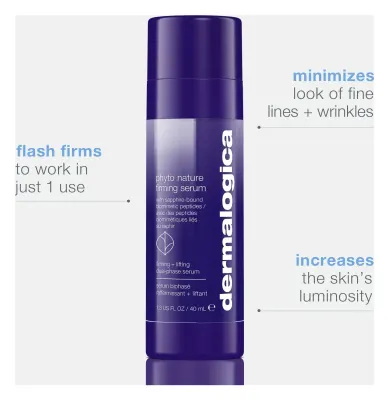
Dermalogica phyto nature firming serum
Sapphire-bound biomimetic peptides, camu camu, next-generation hyaluronic acid, Moroccan rockrose, and Madagascar green coffee bean · sensitive skin · scented
AmazonFeatured in our guides
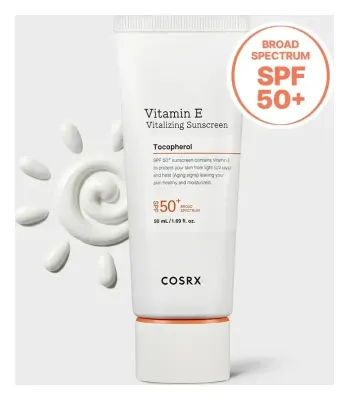
COSRX Vitamin E Vitalizing Sunscreen SPF 50+
scented
Amazon

All 7 products with Glucose
Hydrating Serums, Essences & Ampoules (2)

Daily Sunscreens & SPF Moisturizers (1)
Anti-Aging & Retinoid Serums (1)
Daily Moisturizers & Water Gel Creams (1)
Gel, Foam & Cream Facial Cleansers (1)

Eye Creams & Under-Eye Patches (1)

Common questions
What does glucose do in skincare?
Glucose is a simple sugar that can function as a humectant, helping a formula attract and retain water. It is generally a supporting hydrator rather than a headline active.
Is glucose part of the skin's natural moisturizing factor?
Glucose is among the small water-soluble molecules found in the outer skin environment. Natural moisturizing factor is a mixture of substances, not a single ingredient that can be recreated by adding one sugar.
Is glucose natural?
Glucose occurs widely in nature and can be obtained from plant carbohydrates or produced through fermentation. The label does not tell you the source used for a particular product.
Does glucose make skincare sticky?
It depends on the amount and the full formula. Formulators balance humectants with other ingredients to create a comfortable finish, so the word glucose alone cannot predict tackiness.