Glyceryl Polymethacrylate
How glyceryl polymethacrylate helps control texture and leaves a smooth film in some skincare and makeup formulas.
Extremely safeIn 10 products we cover
We may earn a commission when you buy through links on this page. It never changes what we recommend.
Quick facts
- INCI name
- Glyceryl Polymethacrylate
- CAS number
- 54174-14-0
- Origin
- Synthetic
- Chemical class
- Acrylic polymer
- What it does in a formula
- film forming, viscosity controlling, skin conditioning
- Why it is in the formula
- It helps build texture and can leave a light film that improves the product's skin feel.
What it is
To impart a smooth, cushioned slip and create a lightweight surface film, cosmetic chemists rely on glyceryl polymethacrylate in gels, creams, and foundations. This synthetic polymer reinforces emulsion stability and prevents formulas from feeling runny. The resulting sensory finish depends on its concentration and the surrounding emollients in the formula.
Polymers are a broad family of materials, and their roles vary widely. This ingredient is used as part of product design, not as a reason to expect a particular skin transformation. The word glyceryl in the name does not mean that the polymer behaves like glycerin, a common humectant. Ingredient functions depend on their structure and how they are formulated.
What it does
- Builds texture. It can help adjust viscosity and give a product body.
- Forms a film. A thin layer can contribute to a smooth, conditioned feel.
- Supports consistency. It can help the formula maintain its intended appearance and texture.
Who it suits
Glyceryl polymethacrylate is a supporting ingredient, not the reason to buy a product. It is used across a range of formula types, so it does not identify whether a product is intended for dry, oily, or sensitive skin. People who dislike a film-like finish may prefer a lighter texture, but the entire formula determines whether the product feels noticeable.
If a product causes persistent irritation, discontinue it and review the full ingredient list. You cannot determine your response from the polymer name alone. There is no need to treat it as a standalone active.
What to pair it with, and what not to
This polymer does not need to be balanced with a particular ingredient. It can appear beside humectants, emollients, or actives as part of a finished formula. Follow product directions and avoid adding household materials to change a gel or lotion’s thickness. If you want less film, choose a product described as lightweight rather than trying to reformulate it yourself.
Skin Realist check: A bit of invisible scaffolding is a perfectly respectable contribution to a moisturizer.
Quick picks with Glyceryl Polymethacrylate
Scent-free, no patch-test flags on the label
COSRX The Retinol 0.1 Cream
Retinol 0.1% · scent-free label
AmazonFeatured in our guides
Sulwhasoo First Care Activating Serum VI
scented
Amazon

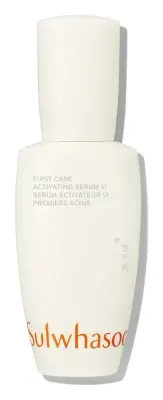
All 10 products with Glyceryl Polymethacrylate
Hydrating Serums, Essences & Ampoules (3)
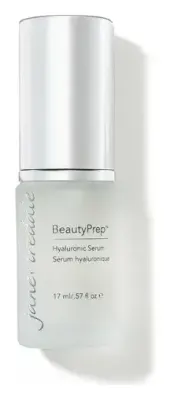

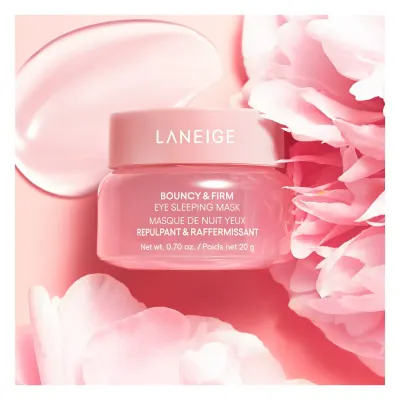
Eye Creams & Under-Eye Patches (3)


Anti-Aging & Retinoid Serums (2)

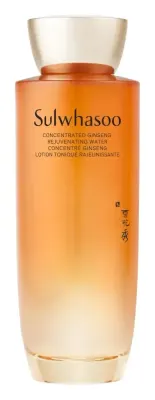
Hydrating Toners, Essence Waters & Face Mists (1)
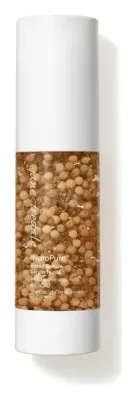
Full-Coverage Camouflage & Liquid Foundations (1)
Common questions
What does glyceryl polymethacrylate do in skincare?
It is a synthetic polymer used to help control viscosity and form a light film. This can support a smooth, consistent feel in skincare or makeup.
Is glyceryl polymethacrylate a humectant?
Its main role is generally film formation and texture control, rather than acting as the formula's main humectant. The rest of the ingredient list tells you more about how a product hydrates.
Why is a polymer in my moisturizer?
Polymers can help thicken a formula, stabilize its texture, or create a smooth film. Their presence does not mean the product has a special treatment effect.