Glycine
A small amino acid used as a humectant and skin-conditioning ingredient, often as one part of a hydration blend.
Extremely safeIn 10 products we cover
We may earn a commission when you buy through links on this page. It never changes what we recommend.
Quick facts
- INCI name
- Glycine
- CAS number
- 56-40-6
- Origin
- Biotech (fermentation) or Synthetic
- Chemical class
- Amino acid
- What it does in a formula
- humectant, skin conditioning
- Why it is in the formula
- It contributes to a water-binding blend and helps condition the skin in a finished formula.
What it is
The simplest of all amino acids, glycine functions in cosmetics as a water-binding skin conditioner and formulation component. Cosmetic grades are produced via chemical synthesis or microbial fermentation. While glycine is a natural building block of human proteins, applying it in a cream does not mean the product constructs new structural protein in the skin.
In skin care, glycine is mainly a humectant or conditioning helper. It can be included in hydrating serums, moisturizers, and formulas marketed around amino acids. Although some products call it an active, it is better to view it as one small part of the product’s overall moisturizing system rather than an ingredient with a stand-alone promise.
What it does
- Binds water. Glycine can contribute humectant activity and help a formula feel more hydrating.
- Conditions skin. It may support a softer, smoother skin feel as one part of a multi-ingredient blend.
- Complements other humectants. It can appear alongside glycerin, amino acids, and other water-binding materials.
- Does not rebuild proteins from the outside. Its presence does not mean topical glycine directly becomes skin collagen or creates a structural change.
Who it suits
Glycine may be found in products for many skin types because it is usually used as a modest supporting ingredient. If you are choosing a product for dryness, look for the full combination of humectants, emollients, and occlusives rather than relying on the presence of one amino acid. Formulas marketed as amino-acid serums can vary widely in texture and the amount of each ingredient.
Individual reactions can happen with any ingredient, even one commonly used for conditioning. If a product causes persistent stinging, redness, or discomfort, stop using it and consider the entire formula as a possible factor. People managing a skin condition or recurrent irritation should seek a dermatologist’s advice instead of expecting glycine to act as a treatment.
What to pair it with, and what not to
Glycine can appear alongside familiar humectants such as glycerin and with emollients that help reduce moisture loss. There is no need to pair it with another amino acid or to use a separate protein product. Choose a complete moisturizer or serum based on the way it feels and layer it as directed.
Skin Realist check: A humble ingredient can still earn its place. Not every line on a label needs a launch campaign.
Quick picks with Glycine
Scent-free, no patch-test flags on the label
COSRX The Ceramide Skin Barrier Moisturizing Mist
scent-free label
AmazonBrand lists it for sensitive skin
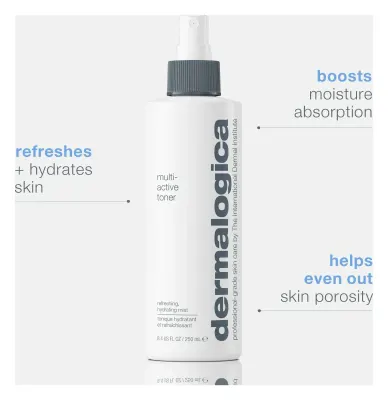
Dermalogica antioxidant hydramist
Pea extract, rose extract, clove extract, and antioxidant support · dry, oily, combination, sensitive, normal skin · scented
AmazonBrand lists it for oily skin
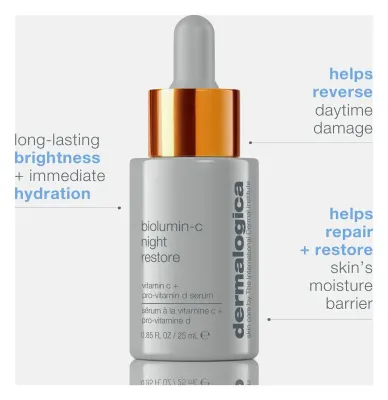
Dermalogica biolumin-c vitamin c gel moisturizer
Vitamin C complex, squalane, five types of hyaluronic acid, Verbascum thapsus flower extract, phytic acid and pumpkin enzymes · oily, dry, combination, sensitive, normal skin · scented
Amazon



All 10 products with Glycine
Hydrating Toners, Essence Waters & Face Mists (3)
Hydrating Serums, Essences & Ampoules (3)



Daily Moisturizers & Water Gel Creams (1)
Targeted Vitamin C & Brightening Correctors (1)
Gel, Foam & Cream Facial Cleansers (1)

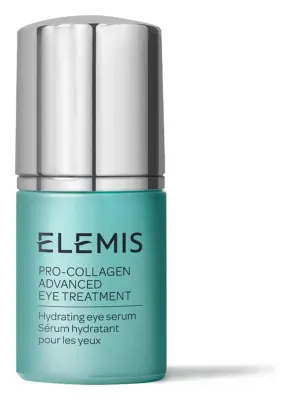
Eye Creams & Under-Eye Patches (1)
Common questions
What does glycine do in skincare?
Glycine is an amino acid that may be used as a humectant and skin-conditioning ingredient. In a moisturizer, it is usually part of a larger blend rather than a stand-alone treatment.
Is glycine a protein?
No. Glycine is an amino acid, one of the building blocks that can be joined to form proteins. By itself it is a small molecule, not a protein.
Is glycine an active ingredient?
It may be marketed as an active, but its common cosmetic role is modest and supportive, including water-binding and conditioning. Avoid expecting a dramatic effect from glycine alone.
Is glycine natural?
Glycine occurs in proteins and can be produced through fermentation or chemical synthesis for commercial uses. The label does not reveal which route supplied the cosmetic ingredient.