Lauric Acid
What lauric acid does as a fatty acid in cosmetics, where it may come from, and why its formula role varies.
Extremely safeIn 10 products we cover
We may earn a commission when you buy through links on this page. It never changes what we recommend.
Quick facts
- INCI name
- Lauric Acid
- CAS number
- 143-07-7
- Origin
- Plant-derived or Synthetic
- Chemical class
- Saturated fatty acid
- What it does in a formula
- surfactant, emulsifying, pH adjusting, skin conditioning
- Why it is in the formula
- Usually used to adjust formula structure or support cleansing and emulsifying, depending on the product.
What it is
Naturally concentrated in coconut and palm kernel oils, lauric acid is a medium-chain saturated fatty acid used in skincare as an emollient and cleansing precursor. Cosmetic grades are isolated from plant lipids or produced synthetically. It may appear directly on an ingredient list or serve as a raw material for creating lathering surfactants.
Lauric acid is not an exfoliating acid just because it has acid in its name. In cosmetics it may be involved in cleansing, emulsifying, or adjusting texture. It is not automatically the featured ingredient or a sign that a product will behave like a strong acid treatment. The label does not reveal its source or amount.
What it does
- Supports cleansing. It can be used in surfactant systems that help lift oil and soil from skin.
- Helps structure formulas. Fatty acids may contribute to emulsifying and texture in creams and cleansers.
- Conditions skin. Depending on how it is used, it can support a softer feel in a finished product.
Who it suits
Lauric acid can appear in cleansers and other formula types, so its presence alone does not predict whether a product will feel mild or drying. In a cleanser, the overall surfactant blend, how long you leave it on, and rinsing matter. For a leave-on product, consider the full ingredient list and texture.
There is no useful universal comedogenicity score for an ingredient in isolation. A person’s response can vary with the formula and how it is used. If a product feels uncomfortable or causes persistent irritation, stop using it and consider discussing recurring reactions with a dermatologist.
What to pair it with, and what not to
Lauric acid has no special active pairing. It may appear alongside other surfactants or emulsifiers in a cleanser or moisturizer. If using a cleanser that leaves your skin feeling tight, choose a gentler overall formula and follow it with a moisturizer that suits you.
Skin Realist check: An ingredient can be useful without needing to be the headline. In a finished formula, context matters more than a single fatty-acid name.
Quick picks with Lauric Acid
Scent-free, no patch-test flags on the label
COSRX The Retinol 0.1 Cream
Retinol 0.1% · scent-free label
AmazonFeatured in our guides
COSRX The Retinol 0.3 Cream
Retinol 0.3% · scent-free label
Amazon


All 10 products with Lauric Acid
Premium Double-Cleansing Balms & Melting Gels (3)
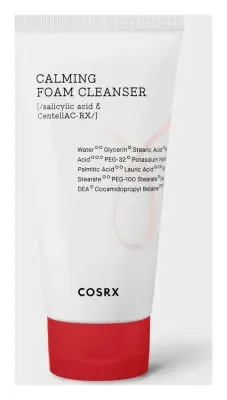
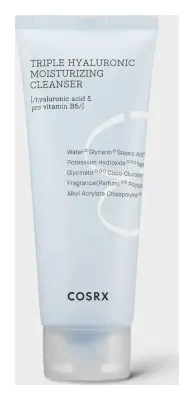
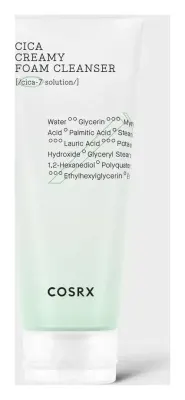
Anti-Aging & Retinoid Serums (2)
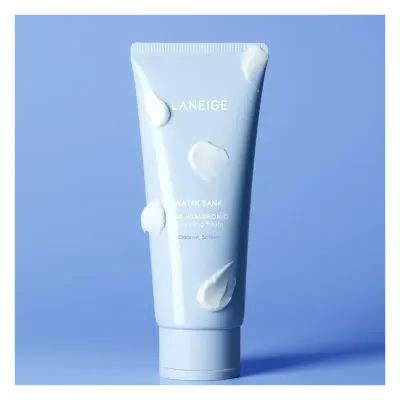
Gel, Foam & Cream Facial Cleansers (2)
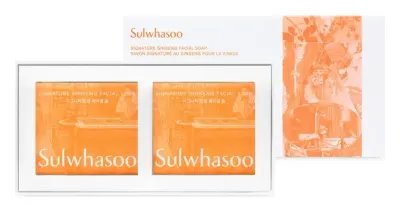
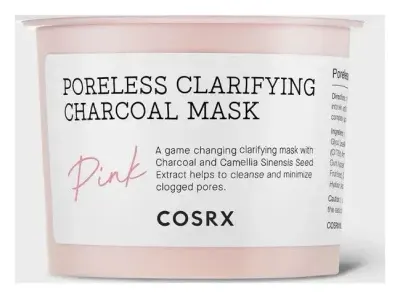
Sheet, Hydrogel & Clay Masks (1)
Daily Moisturizers & Water Gel Creams (1)

Eye Creams & Under-Eye Patches (1)

Common questions
What is lauric acid in skin care?
Lauric acid is a saturated fatty acid found in some plant oils, including coconut and palm kernel oils. It can also be manufactured for use in cosmetics.
What does lauric acid do in a formula?
Its role depends on the product. It may support cleansing, emulsifying, or formula texture rather than serving as a direct skin-care active.
Is lauric acid the same as a drying alcohol?
No. Lauric acid is a fatty acid, not an alcohol. The word acid in its name does not mean it is automatically an exfoliating acid like glycolic acid.
Can lauric acid clog pores?
An ingredient-only comedogenicity rating cannot reliably predict what a finished product will do for you. The formula, use, and your individual response all matter.