Tiger Lily Bulb Extract
What tiger lily bulb extract is, which part of the plant appears in the INCI name, and how to think about botanical skin-care claims.
Extremely safeIn 11 products we cover
We may earn a commission when you buy through links on this page. It never changes what we recommend.
Quick facts
- INCI name
- Lilium Tigrinum Bulb Extract
- Origin
- Plant-derived
- Chemical class
- Botanical bulb extract
- What it does in a formula
- skin conditioning
- Why it is in the formula
- Tiger lily bulb extract adds a plant-derived skin-conditioning ingredient to a cosmetic formula.
What it is
Extracted from the bulb of the flowering plant Lilium tigrinum, tiger lily bulb extract is a botanical ingredient derived specifically from the plant’s underground bulb rather than its leaves, stems, or petals. Different plant parts have distinct chemical profiles. Because solvents and extraction methods also differ by manufacturer, the label name does not represent a single standardized mixture.
In cosmetics, the extract is used as a botanical skin-conditioning ingredient. Published work on Lilium tigrinum may examine the plant in other contexts, such as cut-flower biology, but that does not establish a topical skin-care effect for a bulb extract. There is little reason to treat the ingredient as a headline active based only on its botanical name or marketing language. Consider it one supporting part of a finished formula.
What it does
- Conditions skin. The extract may be included to support the feel or appearance of the product.
- Adds a botanical component. It is a plant-derived ingredient, not a fragrance oil or a mineral clay.
- Reflects a specific plant part. The label calls out bulb extract, which is different from lily flower extract.
- Does not guarantee a visible effect. The formula, amount and extraction method all matter, and ingredient lists do not disclose every detail.
Who it suits
Tiger lily bulb extract is not tied to a specific skin type. It may appear in formulas for many skin types as one botanical among many. If you have reacted to plant extracts before, patch-test a new product rather than assuming a flower-derived ingredient will be gentle. People with allergies to plants should be mindful of the full ingredient list and seek medical guidance for known allergies. Stop using a product that causes ongoing irritation. If you have a diagnosed skin condition, ask a dermatologist which products fit your care plan.
What to pair it with, and what not to
There is no required partner ingredient for tiger lily bulb extract. It can be part of a moisturizer or serum with humectants and emollients. Introduce new products one at a time so you can tell which formula feels comfortable for you.
Skin Realist check: A flower name can make a moisturizer sound like a garden. The practical question is still whether the formula suits you.
Quick picks with Tiger Lily Bulb Extract
Featured in our guides
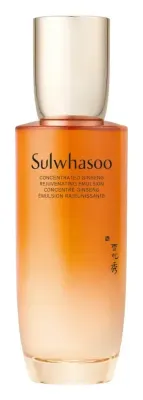
Sulwhasoo Concentrated Ginseng Rejuvenating Cream
scented
Amazon

All 11 products with Tiger Lily Bulb Extract
Daily Moisturizers & Water Gel Creams (4)


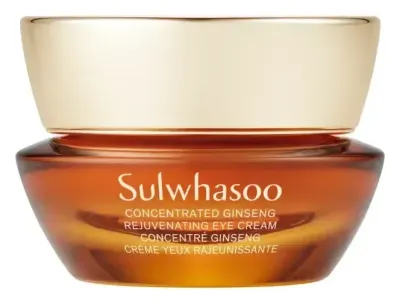
Eye Creams & Under-Eye Patches (2)

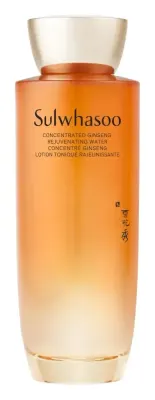
Hydrating Toners, Essence Waters & Face Mists (2)

Anti-Aging & Retinoid Serums (1)

Gel, Foam & Cream Facial Cleansers (1)

Sheet, Hydrogel & Clay Masks (1)

Common questions
What is Lilium tigrinum bulb extract?
It is an extract from the bulb of Lilium tigrinum, commonly called tiger lily. The plant part matters because a bulb extract is not the same as a flower extract.
What does tiger lily extract do in skincare?
It is used as a botanical skin-conditioning ingredient. Evidence about cut flowers or other lily preparations does not establish a specific skin benefit from a cosmetic bulb extract.
Is tiger lily extract the same as a lily flower extract?
No. The label specifies the bulb, which is an underground plant structure. Different plant parts can have different compositions.
Can lily bulb extract irritate skin?
Botanical extracts can bother some people, and the rest of the formula matters. If you are sensitive to new products, patch-test and stop using a product that causes persistent irritation.