PCA
A short label name for pyrrolidone carboxylic acid, a water-binding component used in moisturizing formulas.
Extremely safeIn 8 products we cover
We may earn a commission when you buy through links on this page. It never changes what we recommend.
Quick facts
- INCI name
- PCA
- Origin
- Biotech (fermentation) or Synthetic
- Chemical class
- Amino-acid derivative
- What it does in a formula
- humectant, skin conditioning
- Why it is in the formula
- It attracts water and helps support the hydration system in moisturizers and serums.
What it is
Short for pyrrolidone carboxylic acid (or 2-pyrrolidone-5-carboxylic acid), PCA is a dedicated humectant linked naturally to the skin’s natural moisturizing factor. Despite the acid in its chemical title, it acts to bind moisture rather than exfoliate like an alpha hydroxy acid. Cosmetic chemists include it in hydrating toners, serums, and creams to attract and retain water in the outer skin layers.
You may find PCA in moisturizers, serums, and other products focused on hydration. Sodium PCA is a related but distinct ingredient that also works as a humectant. Their similar names do not mean they are interchangeable in every formula.
What it does
- Attracts water. PCA acts as a humectant and helps the formula support a hydrated skin feel.
- Complements natural moisturizing factor. It is related to water-binding substances already present in the outer skin layer.
- Supports a hydration blend. It may be combined with glycerin, sodium PCA, or other humectants.
- Does not exfoliate by name alone. Its role is not the same as an alpha hydroxy acid exfoliant.
Who it suits
PCA can be useful in moisturizing formulas for dry, normal, or combination skin. If you are comparing products, look at the complete humectant and emollient blend and how the finish feels. PCA on the label is not a guarantee that a product will provide enough moisture on its own, especially if your skin prefers richer creams.
Sensitive skin can sometimes sting in response to a finished product, and the cause may be the formula as a whole rather than PCA specifically. Try a new product cautiously if you know your skin is reactive. Stop using it if discomfort continues. A dermatologist can help if you have recurring irritation or a diagnosed skin condition.
What to pair it with, and what not to
PCA can be paired in a formula or routine with other humectants and with emollients that help soften skin. You do not need to add an exfoliating acid just because its name contains acid. Use the product as directed and choose a moisturizer that feels comfortable.
Skin Realist check: Three letters can look important. The actual job is refreshingly simple: help hold on to a little water.
Quick picks with PCA
Scent-free, no patch-test flags on the label
COSRX The Ceramide Skin Barrier Moisturizing Mist
scent-free label
AmazonBrand lists it for sensitive skin
Dermalogica antioxidant hydramist
Pea extract, rose extract, clove extract, and antioxidant support · dry, oily, combination, sensitive, normal skin · scented
AmazonBrand lists it for oily skin
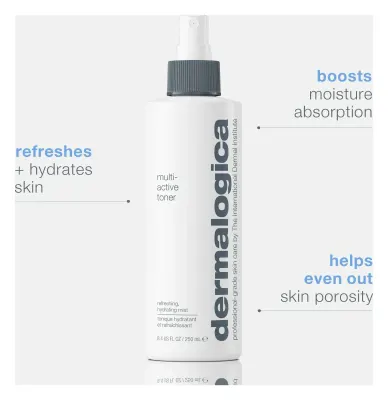
Dermalogica multi-active toner
Moisture-binding humectants, arnica, balm mint, and lavender · oily, dry, combination, sensitive, normal skin · scented
Amazon


All 8 products with PCA
Hydrating Toners, Essence Waters & Face Mists (3)
Hydrating Serums, Essences & Ampoules (3)



Gel, Foam & Cream Facial Cleansers (1)

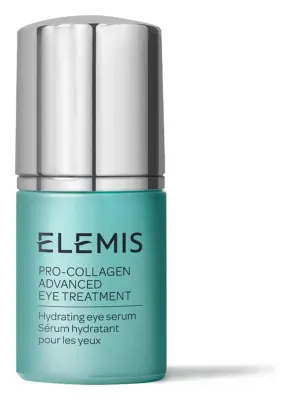
Eye Creams & Under-Eye Patches (1)
Common questions
What does PCA do in skin care?
PCA, short for pyrrolidone carboxylic acid, is used as a humectant. It helps attract water and is often included in moisturizing blends.
Is PCA the same as sodium PCA?
They are related but are not the same ingredient. PCA is pyrrolidone carboxylic acid, while sodium PCA is its sodium salt and is also used as a humectant.
Is PCA an active ingredient?
It is often marketed as a hydration active, but its main role is water binding. It is better understood as a humectant than as an exfoliating acid.
Is PCA natural?
PCA is related to substances found in the skin's natural moisturizing factor, but the cosmetic ingredient may be made through different production routes. A label does not reveal its source.