Polyglutamic Acid
What polyglutamic acid does in skincare, how it fits a hydration routine, who may like it, and what to layer with it.
Extremely safeIn 5 products we cover
We may earn a commission when you buy through links on this page. It never changes what we recommend.
What it is
Polyglutamic acid is a water-loving polymer used in skincare as a humectant and film-forming ingredient. It may be made through fermentation and is often included in serums, gels, and moisturizers. Despite its name, it is not an exfoliating acid like glycolic acid. Its main role in a formula relates to hydration and the feel of the product on skin.
Some marketing compares it with hyaluronic acid or emphasizes how much water it can hold. Those comparisons can be difficult to translate into a guaranteed result on your face. Texture and the balance of the whole formula matter more than a headline about one ingredient.
What it does
- Helps skin feel hydrated. Polyglutamic acid is used to attract or retain water in a formula and leave skin feeling moisturized.
- Can leave a smooth-feeling film. Its film-forming properties may give a product a smooth finish. Some people may prefer a lighter texture.
- Complements other moisturizers. It can be part of a layered routine, but it is not a substitute for every other moisturizing step.
Who it suits
If your skin feels dry or tight, or you like the finish of hydrating serums, polyglutamic acid may be an ingredient you enjoy. It can fit many skin types and does not have the same exfoliating role as an acid toner. Still, the rest of the formula matters: it can contain other ingredients that influence how your skin responds. Patch-test a new formula if you tend to react, and discontinue it if you notice persistent discomfort.
You do not need to use both polyglutamic acid and hyaluronic acid. If you already have a simple moisturizer that keeps your skin comfortable, there is no need to turn hydration into a contest. Try one product at a time and choose by how it feels under your usual sunscreen or makeup.
What to pair it with, and what not to
Polyglutamic acid can be layered with hyaluronic acid, glycerin, or a moisturizer. Many people apply a serum before cream, but follow directions for the specific product. It can also sit alongside retinoids or exfoliating acids without a known ingredient conflict; use those products sensibly on their own. If layering starts to pill, simplify or let each layer settle. Use sunscreen as directed during the day.
Skin Realist check: Hydration is a routine, not a leaderboard. You do not have to replace a moisturizer just because a newer humectant has entered the chat.
Quick picks with Polyglutamic Acid
Scent-free, no patch-test flags on the label
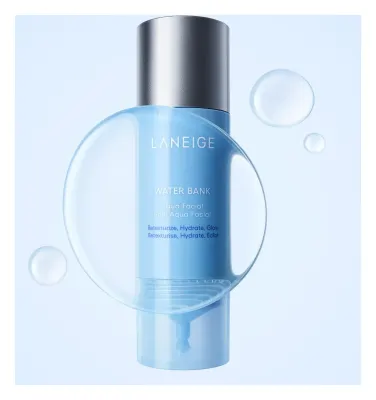
Laneige Water Bank Aqua Facial
AHA, BHA, PHA, niacinamide, ceramide NP, hyaluronic acid, polyglutamic acid · normal, dry, combination, oily, sensitive skin · scent-free label
AmazonBrand lists it for dry skin
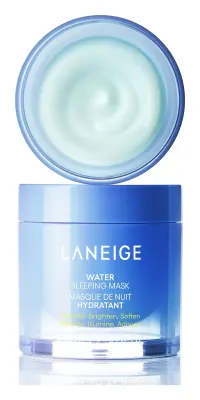
Laneige Water Sleeping Mask
Squalane, niacinamide, ceramides, three types of hyaluronic acid · dry, normal skin · scented
Amazon
All 5 products with Polyglutamic Acid
Premium Overnight Recovery Packs & Sleeping Facials (1)
Dermatological Acne & Chemical Exfoliating Liquids (1)
Hydrating Serums, Essences & Ampoules (1)

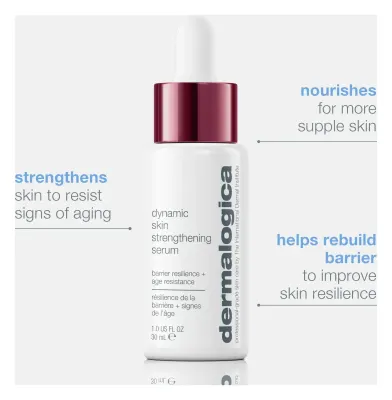
Anti-Aging & Retinoid Serums (1)
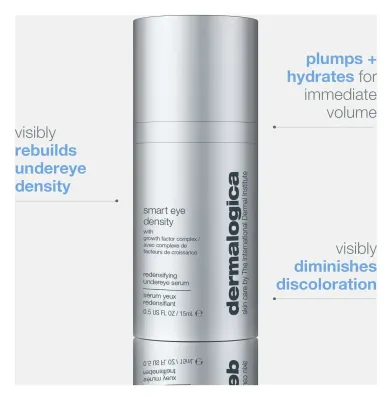
Eye Creams & Under-Eye Patches (1)
Common questions
What is polyglutamic acid in skincare?
Polyglutamic acid is a water-loving ingredient used in skincare to help skin feel hydrated. It may be produced through fermentation and is often used in serums or moisturizers.
Is polyglutamic acid better than hyaluronic acid?
Neither is automatically better for everyone. Both are used in hydrating products, and the feel and performance depend on the full formula and your routine. Choose based on texture and response.
Can you use polyglutamic acid with retinol?
Yes, they can be used in the same routine. A hydrating product may make a routine feel more comfortable, but it does not prevent irritation from too much retinol.
Should you apply polyglutamic acid to damp skin?
Follow the product label, since formulas differ. Many hydrating serums are comfortable on slightly damp skin, but you can apply as directed and use moisturizer if that works better.