Polyglycerin-3
A glycerin-based humectant that helps bind water and gives moisturizing formulas a comfortable, smooth feel.
Extremely safeIn 7 products we cover
We may earn a commission when you buy through links on this page. It never changes what we recommend.
Quick facts
- INCI name
- Polyglycerin-3
- Origin
- Synthetic
- Chemical class
- Polyglycerol
- What it does in a formula
- humectant, skin conditioning
- Why it is in the formula
- It attracts and holds water as part of a product's overall hydration system.
What it is
Polyglycerin-3 is a humectant ingredient synthesized by joining multiple glycerin molecules into an oligomeric chain. The number 3 reflects the average degree of glycerol polymerization rather than a percentage inside the formula. Because the initial glycerin can be derived from plant fats, animal sources, or petrochemicals, the label itself does not reveal the raw feedstock.
Like glycerin, polyglycerin-3 is used as a humectant in skin-care products. It may appear in serums, moisturizers, and other water-containing formulas. It is not the same ingredient as glycerin, although both can play water-binding roles.
What it does
- Binds water. Polyglycerin-3 is used to help a formula attract and retain water.
- Supports hydration. In a moisturizer, it can contribute to a more comfortable, less dry skin feel.
- Works in a blend. It is often combined with glycerin or other humectants rather than carrying the full hydration job alone.
- Contributes to texture. Its presence can affect how smooth or cushiony a water-based product feels.
Who it suits
Polyglycerin-3 may appear in products for many skin types because it is a supporting humectant. If you are dry, it may be one component of a moisturizer with emollients that help soften skin and reduce water loss. If you prefer light textures, check how the complete product feels rather than assuming that every humectant creates a sticky finish.
It is not a drying alcohol, despite sharing a chemical relationship with glycerin derivatives. Individual sensitivities are still possible with any finished product. If a new product repeatedly stings or irritates, stop using it and consider the full formula. For recurring reactions or a skin condition, seek a dermatologist’s advice.
What to pair it with, and what not to
Polyglycerin-3 can be part of a formula with other humectants, then paired with emollients that soften skin. There is no need to choose a product with several layers of humectants if one moisturizer already feels comfortable. Follow the product’s directions and judge the whole formula.
Skin Realist check: Glycerin has a dependable extended family. They all show up, do the work, and never ask for a spotlight.
Quick picks with Polyglycerin-3
Scent-free, no patch-test flags on the label
Dermalogica age reversal eye complex
Microencapsulated retinol, niacinamide, ash tree bark extract, vitamin C and peptides · oily, dry, combination, sensitive, normal skin · scent-free label
AmazonBrand lists it for oily skin
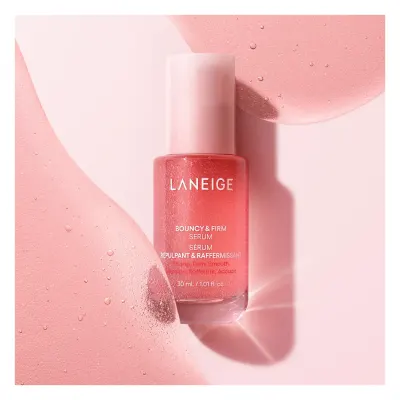
Laneige Bouncy & Firm Serum
Niacinamide, soluble collagen, peptide complex, beta-glucan · normal, dry, combination, oily skin · scented
AmazonFeatured in our guides
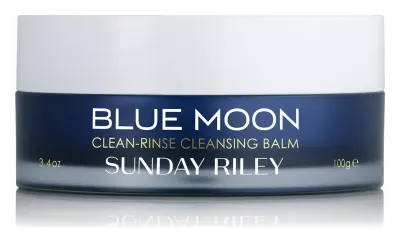
Sunday Riley Blue Moon Clean Rinse Cleansing Balm
scented
Amazon

All 7 products with Polyglycerin-3
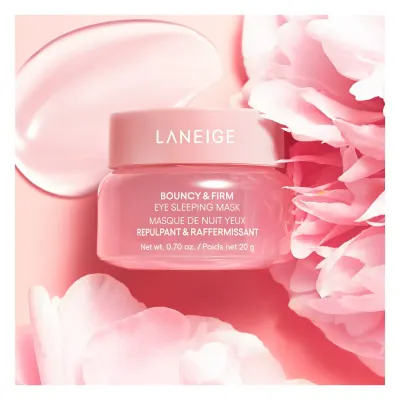
Eye Creams & Under-Eye Patches (3)

Premium Double-Cleansing Balms & Melting Gels (2)
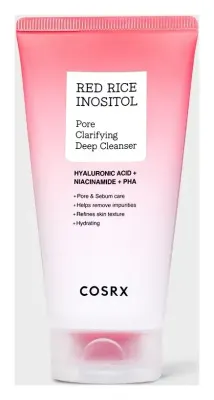
Hydrating Serums, Essences & Ampoules (1)
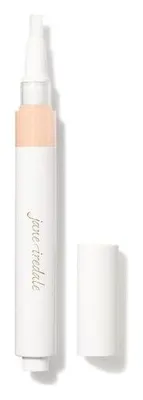
High-Definition Camouflage Concealers (1)
Common questions
What does polyglycerin-3 do in skincare?
It is a glycerin-based humectant that helps bind water. It is usually one part of a product's hydration blend rather than a treatment active.
Is polyglycerin-3 the same as glycerin?
No. Polyglycerin-3 is made from several glycerin units, while glycerin is a single small molecule. Both can be used as humectants, but they are not interchangeable by name.
Is polyglycerin-3 natural?
The ingredient is made from glycerin building blocks, and its source can depend on the supplier and process. The label alone does not show whether the starting material came from plant-based feedstock.
Can polyglycerin-3 dry out skin?
It is used as a humectant, not as a drying alcohol. A product's feel depends on the complete formula and the amount of water and emollients around it.