Polyglyceryl-10 Laurate
An emulsifying and cleansing helper that helps oil and water mix and gives some products a gentle, even texture.
Extremely safeIn 16 products we cover
We may earn a commission when you buy through links on this page. It never changes what we recommend.
Quick facts
- INCI name
- Polyglyceryl-10 Laurate
- Origin
- Plant-derived or Synthetic
- Chemical class
- Polyglycerol fatty-acid ester
- What it does in a formula
- emulsifying, surfactant, skin conditioning
- Why it is in the formula
- It helps oil and water ingredients mix and can support a smooth emulsion or cleansing formula.
What it is
An ester synthesized from polymerized glycerin and the fatty acid lauric acid, polyglyceryl-10 laurate serves as a gentle surfactant and emulsifier in cosmetics. Lauric acid can originate from plant fats or synthetic processing, while the polyglycerol backbone provides water affinity. The standardized INCI name does not specify the origin of the initial chemical feedstocks.
It is used as an emulsifier and surfactant in skin-care and cleansing formulas. Emulsifiers help water and oil stay mixed, while surfactants can help ingredients spread or lift oily soil during cleansing. Which role is most important depends on the product and its other ingredients.
What it does
- Helps emulsify. It can help keep oil and water ingredients blended in a lotion or cleanser.
- Supports cleansing. In a rinse-off formula, its surfactant behavior can help water interact with oily materials on skin.
- Improves product texture. It can contribute to a smooth, evenly dispersed formula that spreads more consistently.
- Works with other emulsifiers. Formulators often use blends to get the right stability and feel rather than relying on one emulsifier alone.
Who it suits
You do not need to seek out polyglyceryl-10 laurate as a skin treatment. It is a background ingredient in products designed for cleansing, emulsifying, or improving texture. If you are looking for a gentle cleanser, consider how the complete formula feels after rinsing and whether it leaves your skin comfortable. A single surfactant does not predict whether a cleanser will feel stripping; the overall blend and how long you cleanse matter too.
People with sensitive skin can react to any finished product, including products with otherwise common emulsifiers. If you are avoiding a known allergen, check the complete label and get advice from a dermatologist if needed. Stop using a product that repeatedly causes discomfort and consider other ingredients in the formula as well.
What to pair it with, and what not to
There is nothing special to layer with polyglyceryl-10 laurate. In a moisturizer it works alongside oils and water-based ingredients, and in a cleanser it is part of the wash-off system. Use the finished product as directed and select it for its texture and purpose.
Skin Realist check: Oil and water have a long-running disagreement. This ingredient is the calm mediator who keeps the meeting moving.
Quick picks with Polyglyceryl-10 Laurate
Scent-free, no patch-test flags on the label
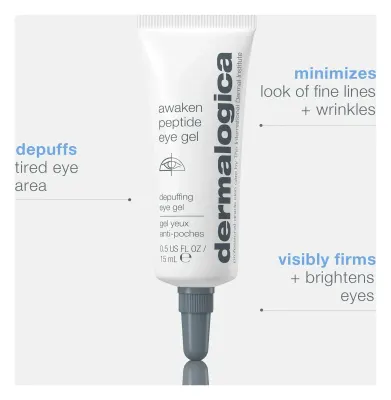
Dermalogica awaken peptide depuffing eye gel
Caffeine, tetrapeptides, rosemary leaf extract, succinic acid blend, Voandzeia subterranea seed extract and lactic acid · oily, dry, combination, sensitive, normal skin · scent-free label
AmazonFeatured in our guides
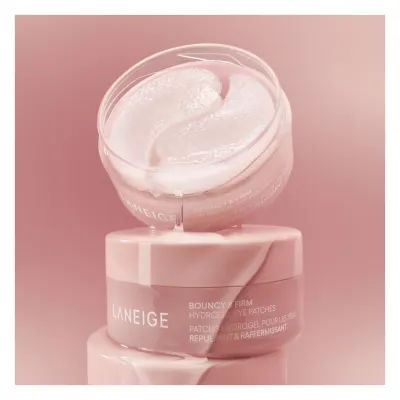
Laneige Bouncy & Firm Hydrogel Eye Patches
Niacinamide, caffeine, soluble collagen, and sodium hyaluronate · scented
Amazon
All 16 products with Polyglyceryl-10 Laurate
Sheet, Hydrogel & Clay Masks (5)



Eye Creams & Under-Eye Patches (4)

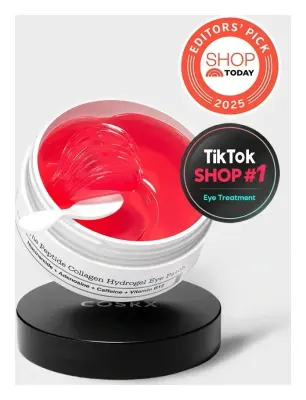
Mineral Pressed Powders & Skin-Nourishing Primers (1)
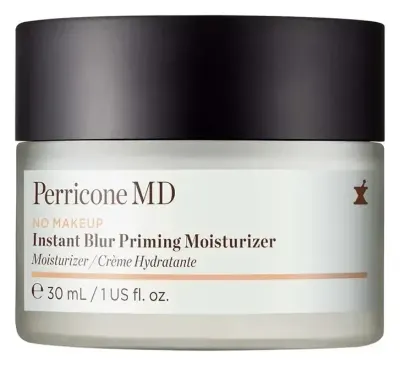
Body Creams, Butters & Body Oils (1)

Skin Barrier Repair Creams & Recovery Jars (1)

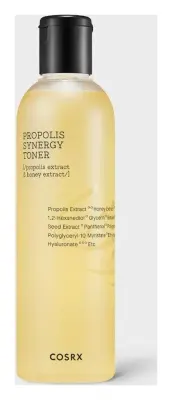
Hydrating Toners, Essence Waters & Face Mists (1)
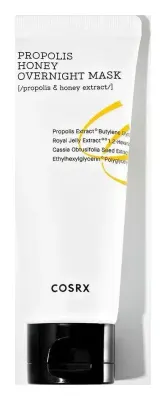
Premium Overnight Recovery Packs & Sleeping Facials (1)
Daily Moisturizers & Water Gel Creams (1)

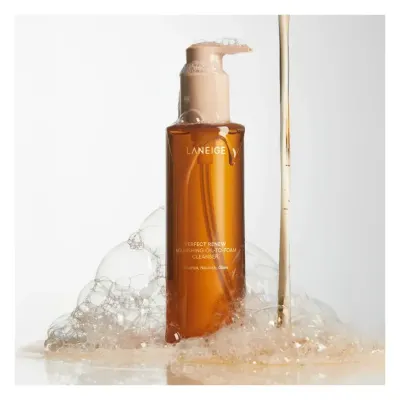
Gel, Foam & Cream Facial Cleansers (1)
Common questions
What does polyglyceryl-10 laurate do?
It is used as an emulsifier and surfactant. It can help oil and water ingredients combine and contribute to a formula that spreads evenly.
Is polyglyceryl-10 laurate a cleanser?
It can contribute to cleansing by helping oil and water interact, but its role depends on the rest of the cleanser. One surfactant name does not tell you whether a finished product will feel mild or stripping.
Is polyglyceryl-10 laurate natural?
It is made by combining polyglycerol with lauric-acid-derived material. Those starting materials may have plant origins, but the finished ingredient is chemically processed.
Why is an emulsifier in my moisturizer?
Moisturizers often combine water and oil phases that would otherwise separate. An emulsifier helps keep those parts blended so the product remains consistent during use.