Polyglyceryl-3 Diisostearate
What Polyglyceryl-3 Diisostearate does in skincare, its usual role in cosmetic formulas, who may prefer it, and what to know before using it.
Extremely safeIn 11 products we cover
We may earn a commission when you buy through links on this page. It never changes what we recommend.
Quick facts
- INCI name
- Polyglyceryl-3 Diisostearate
- Origin
- Plant-derived or Synthetic
- Chemical class
- Nonionic emulsifier (polyglycerol fatty acid ester)
- What it does in a formula
- emulsifying, skin conditioning
- Why it is in the formula
- Usually used as an emulsifier to keep oil and water components blended in a stable formula.
What it is
A nonionic emulsifying ester built from polyglycerin and isostearic acid, polyglyceryl-3 diisostearate helps stabilize mixtures containing both oil and water. Its molecular layout pairs an oil-soluble fatty chain with a water-compatible polyol core. Because starting feedstocks vary across commercial suppliers, the INCI label cannot verify the specific plant or synthetic origin.
It is used in emulsions, including formulas where oil droplets are dispersed through a water phase. An emulsifier helps prevent the mixture from quickly separating and can also contribute to skin feel. This is a supporting ingredient, not the reason to buy a product; stability depends on the full formula and manufacturing process.
What it does
- Helps oil and water mix. It supports a uniform product as an emulsifier.
- Helps resist separation. It contributes to keeping the formula blended during storage and use.
- Can affect feel. The emulsifier type and amount can influence how a cream or lotion spreads.
This ingredient is a supporting part of a finished formula. Its contribution can vary with product type, manufacturing, and other materials used alongside it. Ingredient lists are not concentration labels, so they cannot tell you how strong a particular effect will be.
Who it suits
This ingredient is part of the product?s structure rather than a skin treatment. It may appear in moisturizers and makeup for a wide range of skin types. If a formula feels too rich or does not suit you, that experience reflects the full blend, not necessarily this emulsifier alone.
The overall texture and the rest of the ingredient list matter as much as this one name. If a new product causes persistent discomfort, stop using it and ask a dermatologist for advice. Patch-testing can help you introduce unfamiliar formulas more cautiously.
What to pair it with, and what not to
No separate pairing is needed. It works inside the formula alongside oils, water, and other emulsifiers or stabilizers. At home, avoid shaking or mixing a product unless its package specifically instructs you to do so. There is no need to build a routine around this ingredient alone. Choose compatible textures, follow product directions, and let the complete formula do its intended job.
Skin Realist check: An emulsion that stays together is not boring; it is why you do not need to shake your moisturizer.
Quick picks with Polyglyceryl-3 Diisostearate
Scent-free, no patch-test flags on the label
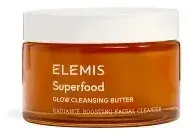
Elemis Superfood Glow Cleansing Butter
Lactobacillus/Acerola Cherry Ferment · scent-free label
AmazonBrand lists it for sensitive skin
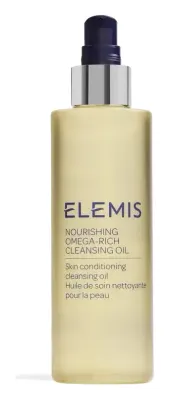
Elemis Nourishing Omega-Rich Cleansing Oil
Sunflower seed oil, castor seed oil, chia seed oil, camellia seed oil, and pomegranate extract · oily, dry, combination, sensitive, normal skin · scented
AmazonFeatured in our guides
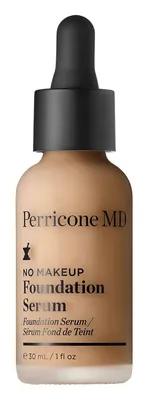
Perricone MD No Makeup Foundation Serum
Daisy flower extract, bisabolol, acetyl tetrapeptide-9, palmitoyl tripeptide-1 and palmitoyl tetrapeptide-7 · scent-free label
Amazon
All 11 products with Polyglyceryl-3 Diisostearate
Premium Double-Cleansing Balms & Melting Gels (2)
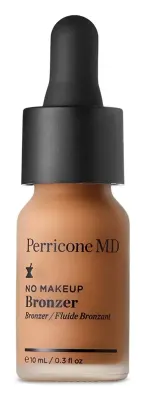
Blush, Bronzers & Highlighters (2)
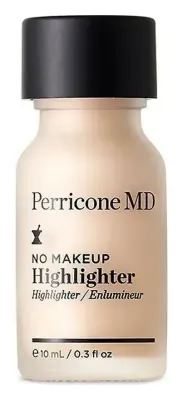
Full-Coverage Camouflage & Liquid Foundations (1)
Hydrating Serums, Essences & Ampoules (1)
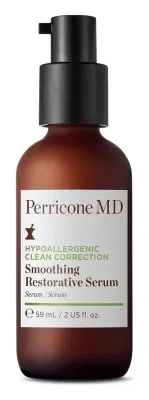
Eye Creams & Under-Eye Patches (1)

Daily Moisturizers & Water Gel Creams (1)
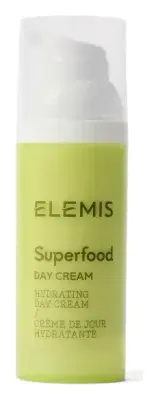
Gel, Foam & Cream Facial Cleansers (1)

Lipsticks, Glosses & Lip Liners (1)
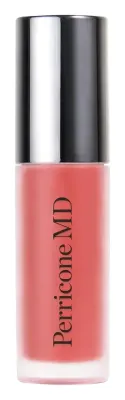
High-Definition Camouflage Concealers (1)
Common questions
What does polyglyceryl-3 diisostearate do?
It is an emulsifier that helps oil and water ingredients stay blended. It may also contribute to the product?s skin feel.
Is polyglyceryl-3 diisostearate a surfactant?
It is a nonionic emulsifier, a type of ingredient that helps components mix. Its role in a cream differs from the cleansing action of a wash surfactant.
Is this ingredient plant-derived?
Its fatty-acid and glycerin starting materials can have different sources. The ingredient name alone does not tell you whether a product uses plant-derived feedstocks.