Polyglyceryl-3 Methylglucose Distearate
How this emulsifier helps oil and water form a smooth cosmetic, and what its label presence says about the formula.
Extremely safeIn 17 products we cover
We may earn a commission when you buy through links on this page. It never changes what we recommend.
Quick facts
- INCI name
- Polyglyceryl-3 Methylglucose Distearate
- Origin
- Plant-derived or Synthetic
- Chemical class
- Nonionic emulsifier (polyglycerol ester)
- What it does in a formula
- emulsifying, surfactant, skin conditioning
- Why it is in the formula
- It helps blend oil and water into a stable cream or lotion.
What it is
On cosmetic ingredient decks, Polyglyceryl-3 Methylglucose Distearate identifies a nonionic plant- or synthetically-derived emulsifier produced from polyglycerol, methylglucose, and stearic acid. Formulators rely on it to bind oil and water together into smooth, stable emulsions. The multi-part chemical name denotes a processed cosmetic raw material rather than a simple natural substance.
You may find it in creams and lotions that combine water-based ingredients with oils or other emollients. Oil and water naturally separate, so formulators use emulsifiers to help them stay dispersed and give a product a consistent texture. This ingredient is primarily a formula helper, not a treatment active.
What it does
- Blends oil and water. Its emulsifying role helps create a stable cream or lotion instead of separated layers.
- Supports texture. It can contribute to a smooth, even application and the feel of a finished product.
- Conditions the formula. It may add to the soft after-feel, depending on the full blend.
Who it suits
This is a supporting ingredient, not a reason on its own to buy a product. It can appear in moisturizers made for different skin types. Whether you like the result depends more on the whole formula, especially its oils, humectants and richness. A light lotion and a heavy cream can both include emulsifiers while feeling quite different.
There is no useful rule that says an emulsifier is inherently bad or good for a particular skin type. If you have sensitive skin or a known ingredient allergy, read the full label and introduce new products cautiously. Should a formula repeatedly sting or irritate, discontinue it and consider asking a dermatologist about the cause rather than assuming the emulsifier alone is responsible.
What to pair it with, and what not to
You do not need to pair it with a separate ingredient; it is part of the product’s structure. It may be used alongside oils, water-based humectants and other emulsifiers to make a cream. Choose the finished product based on the texture and function you want.
Skin Realist check: Good structure is often invisible. That is a compliment, not a complaint.
Quick picks with Polyglyceryl-3 Methylglucose Distearate
Scent-free, no patch-test flags on the label
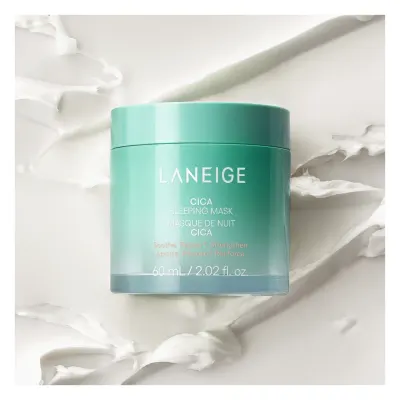
Laneige Cica Sleeping Mask with Centella Asiatica for Moisture Barrier Support
Centella asiatica, madecassoside, panthenol, squalane, niacinamide · normal, dry, combination, sensitive skin · scent-free label
AmazonBrand lists it for sensitive skin
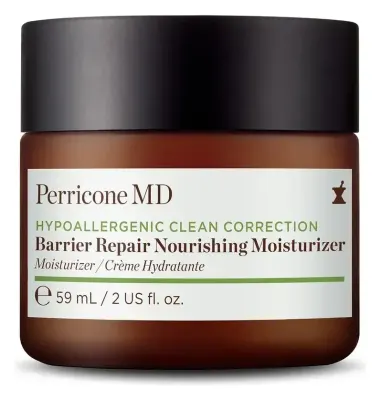
Perricone MD Hypoallergenic Clean Correction Barrier Repair Nourishing Moisturizer
Peptides, ceramides, and mushroom extract · sensitive skin · scent-free label
AmazonBrand lists it for dry skin
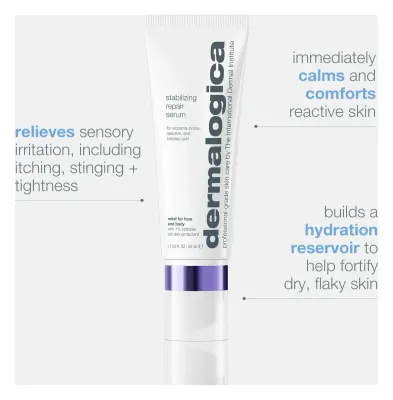
Dermalogica stabilizing repair face + body serum
Colloidal oatmeal, bisabolol, glycerin, and ceramide-like lipids · dry, sensitive skin · scent-free label
Amazon
All 17 products with Polyglyceryl-3 Methylglucose Distearate
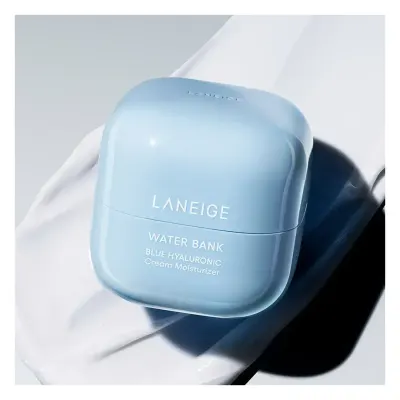
Daily Moisturizers & Water Gel Creams (5)


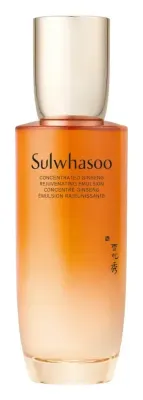

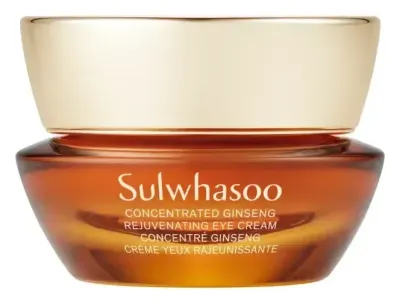
Eye Creams & Under-Eye Patches (3)
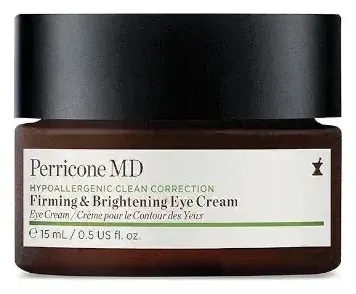

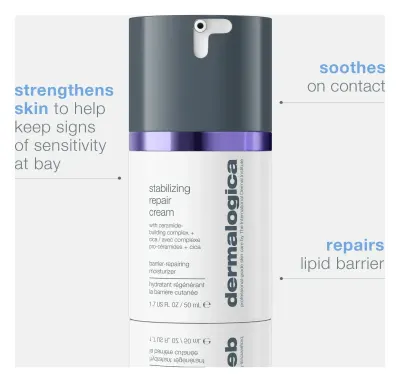
Skin Barrier Repair Creams & Recovery Jars (2)
Anti-Aging & Retinoid Serums (2)


Hydrating Serums, Essences & Ampoules (2)
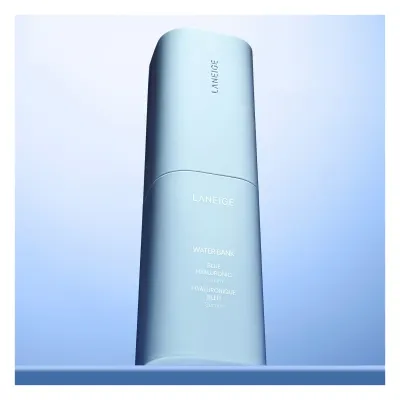
Premium Overnight Recovery Packs & Sleeping Facials (1)
Premium Double-Cleansing Balms & Melting Gels (1)
Targeted Vitamin C & Brightening Correctors (1)

Common questions
What does Polyglyceryl-3 Methylglucose Distearate do?
It is an emulsifier that helps oily and water-based parts stay blended in a cream or lotion. It can also contribute to a smooth, conditioned skin feel.
Is it a sugar?
Its INCI name includes methylglucose and polyglyceryl, but the cosmetic ingredient is an ester used for formulation. It is not the same thing as adding table sugar to a product.
Is this ingredient natural?
Its name reflects building blocks associated with glucose and fatty acids, but that does not tell you the exact sourcing or manufacturing steps. Ask the manufacturer if the origin matters to you.
Can an emulsifier irritate skin?
An emulsifier is part of the product's structure, and individual reactions can still happen. If a finished formula makes your skin uncomfortable, stop using it and consider its full ingredient list.