Polyisobutene
What polyisobutene does in skincare and makeup, why it is used for slip and film formation, and what it means for your routine.
Extremely safeIn 23 products we cover
We may earn a commission when you buy through links on this page. It never changes what we recommend.
Quick facts
- INCI name
- Polyisobutene
- Origin
- Synthetic
- Chemical class
- Synthetic hydrocarbon polymer
- What it does in a formula
- film forming, viscosity controlling, binding
- Why it is in the formula
- Polyisobutene thickens oil-based formulas and helps create a smooth, cohesive film.
What it is
Polyisobutene is a synthetic polymer composed of repeating isobutene monomers that serves as a thickener, binder, and film former in cosmetics. It is particularly common in lip glosses, makeup, and waxy balms that require slip and a cohesive finish. Depending on polymer chain length, its physical consistency varies from a fluid liquid to a viscous resin.
It is related to hydrogenated polyisobutene, but the two ingredients are not identical. Hydrogenation changes the polymer’s chemical structure, and its product feel can differ. Polyisobutene is not a water-binding humectant or exfoliating scrub particle. Its value is mainly in how it helps a formula apply, hold together, or leave a film. It is a supporting ingredient, not the reason to buy a product.
What it does
- Adds slip. It can help an oil-based product glide across skin or lips.
- Thickens a formula. It contributes body and can make a blend feel less runny.
- Forms a film. The film can help pigments and other ingredients stay evenly distributed on the surface.
- Binds ingredients. It can help a product maintain a cohesive texture during use.
Who it suits
Polyisobutene is not selected for a particular skin type or active benefit. A makeup or skincare product that includes it may have many other ingredients, so the label alone cannot predict how the entire formula will feel. If you prefer a light lotion, an oil-rich product containing a thickener may feel too substantial, but that is a texture preference rather than a property of the name by itself.
This is a synthetic polymer, but its presence does not mean the product contains visible plastic beads. It functions as part of a thick or film-forming mixture. The word polymer covers many materials with very different properties, so judging this ingredient by the word alone can be misleading. If a product does not agree with your skin, consider the whole formula and stop using it if irritation continues.
What to pair it with, and what not to
There is no special ingredient to pair with polyisobutene. It is already incorporated into the product to manage texture and wear. Follow the product’s normal use instructions and choose the finish that feels right to you.
Skin Realist check: Some ingredients are here for the satisfying glide. They do not need a backstory beyond that.
Quick picks with Polyisobutene
Scent-free, no patch-test flags on the label
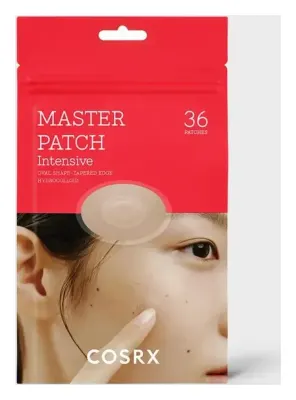
COSRX Master Patch Intensive
Hydrocolloid · scent-free label
AmazonBrand lists it for sensitive skin
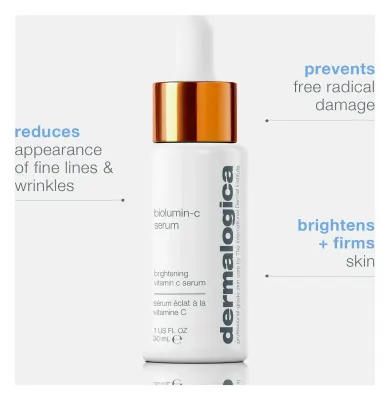
Dermalogica biolumin-c vitamin c serum
Vitamin C · oily, dry, combination, sensitive, normal skin · scented
AmazonBrand lists it for oily skin
Elemis Pro-Collagen Marine Cream for Men
Padina pavonica, ginkgo biloba, and wheat germ oil · combination, dry, normal, oily skin · scented
Amazon
All 23 products with Polyisobutene
Daily Moisturizers & Water Gel Creams (8)
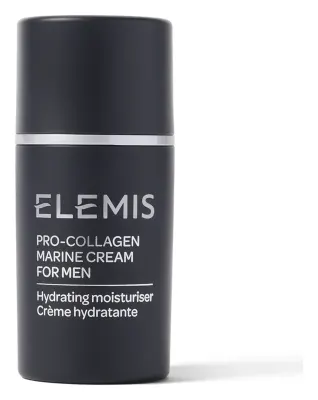 Elemis Pro-Collagen Marine Cream for MenAmazon
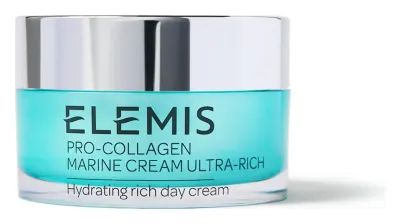 Elemis Pro-Collagen Marine Cream Ultra-RichAmazon
 Elemis ULTRA SMART Pro-Collagen Day CreamAmazon
 Sulwhasoo Concentrated Ginseng Rejuvenating Cream RichAmazon
 Sulwhasoo Essential Firming Cream EXAmazon
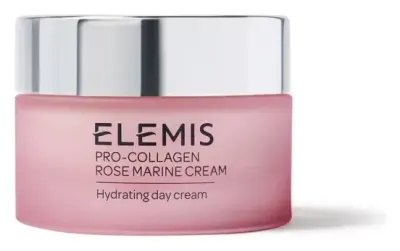 Elemis Pro-Collagen Rose Marine CreamAmazon
 Elemis Superfood Glow Priming MoisturiserAmazon
 Elemis ULTRA SMART Pro-Collagen Night GeniusAmazon
Pimple Patches & Overnight Spot Treatments (4)
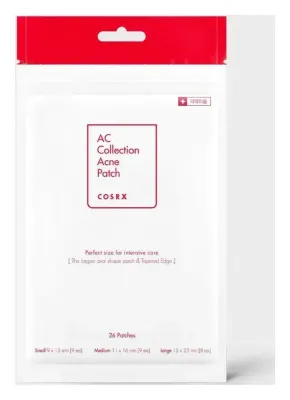
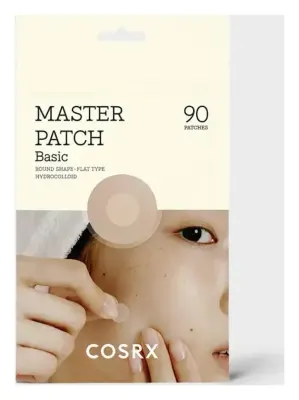
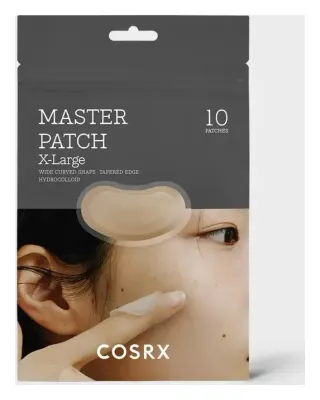
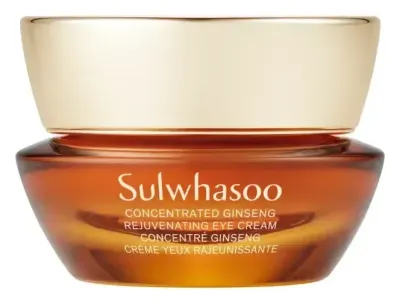
Eye Creams & Under-Eye Patches (4)



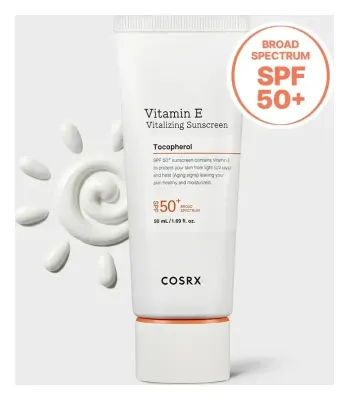
Daily Sunscreens & SPF Moisturizers (2)
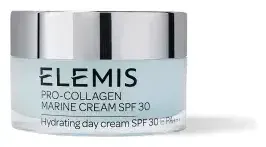
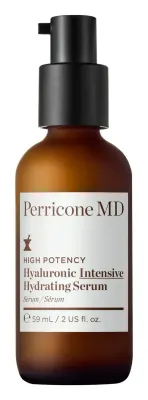
Hydrating Serums, Essences & Ampoules (2)
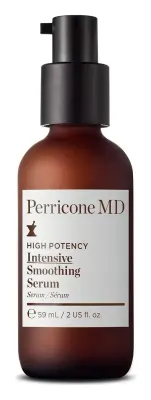
Targeted Vitamin C & Brightening Correctors (1)
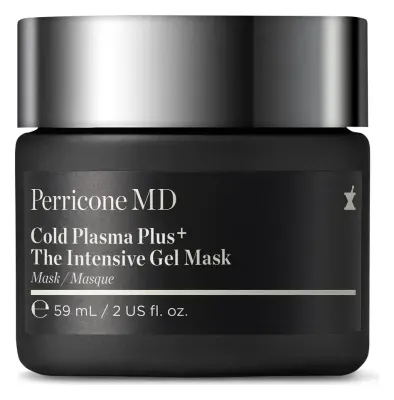
Cream & Gel Treatment Masks (1)
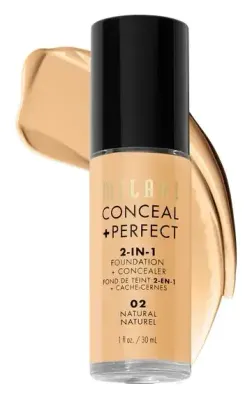
High-Definition Camouflage Concealers (1)
Common questions
What does polyisobutene do in cosmetics?
It can thicken oil-based products, bind ingredients together, and help create a smooth film. These jobs are useful in makeup and other products where slip or staying power matters.
Is polyisobutene a plastic?
It is a synthetic polymer, but that label alone does not tell you its physical form or how it behaves in a product. In cosmetics it is used as a thickener or film former, not as a scrub particle.
Is polyisobutene the same as hydrogenated polyisobutene?
No. They are related materials, but hydrogenated polyisobutene has undergone an additional chemical process that saturates its carbon bonds. Each has its own ingredient name and formula role.
Does polyisobutene hydrate skin?
It is not a classic water-binding humectant. It can leave a smooth film and affect the feel of a product, while other ingredients in the formula provide much of the hydration.