Proline
An amino acid used in skin-care formulas for water binding and conditioning, usually as a supporting hydration ingredient.
Extremely safeIn 10 products we cover
We may earn a commission when you buy through links on this page. It never changes what we recommend.
Quick facts
- INCI name
- Proline
- CAS number
- 147-85-3
- Origin
- Biotech (fermentation) or Synthetic
- Chemical class
- Amino acid
- What it does in a formula
- humectant, skin conditioning
- Why it is in the formula
- It supports a humectant blend and contributes to the conditioned feel of a finished product.
What it is
Although recognized as an amino acid building block of collagen, cosmetic proline is an isolated small molecule rather than intact collagen protein. Formulators incorporate it into skin-conditioning products, with the raw material manufactured via fermentation or chemical synthesis. The standardized INCI name does not disclose which production process or source was used.
You may see proline in moisturizers, serums, or products marketed around amino acids. Its common job is to support hydration and skin conditioning. This is a modest formula role: proline should not be treated as though it were a topical collagen treatment or a guarantee of structural changes in skin.
What it does
- Contributes humectant activity. Proline can be part of a blend that binds water and helps skin feel less dry.
- Supports skin conditioning. It may contribute to a smoother, more comfortable feel when used with other ingredients.
- Complements other amino acids. Formulas may combine it with several amino acids or familiar humectants to build a broader hydration profile.
- Does not equal collagen. Being a collagen building block does not mean topical proline becomes collagen in the skin.
Who it suits
Proline may appear in products for a broad range of skin types because it is usually one piece of a moisturizing formula. If you have dry skin, the full formula matters: humectants attract water, while emollients and occlusives can help soften and reduce moisture loss. A product’s texture and how your skin responds are better guides than an amino acid on its own.
No ingredient is guaranteed to suit everyone. If a product causes a repeated reaction, stop using it and check the whole ingredient list rather than assuming proline is the cause. If you are treating a diagnosed condition or recurring irritation, consult a dermatologist; proline is not a replacement for medical care.
What to pair it with, and what not to
Proline can be used with other humectants such as glycerin and with emollients in the same moisturizing routine. There is no need to layer it with collagen or another amino-acid product. Use the product as directed and choose based on the complete formula.
Skin Realist check: A supporting ingredient does not need to steal the scene. It just needs to make the formula work a little better.
Quick picks with Proline
Scent-free, no patch-test flags on the label
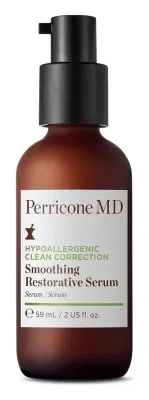
Perricone MD Hypoallergenic Clean Correction Smoothing Restorative Serum
Niacinamide, bakuchiol, holy basil, licorice root extract and cucumber extract · scent-free label
AmazonBrand lists it for sensitive skin
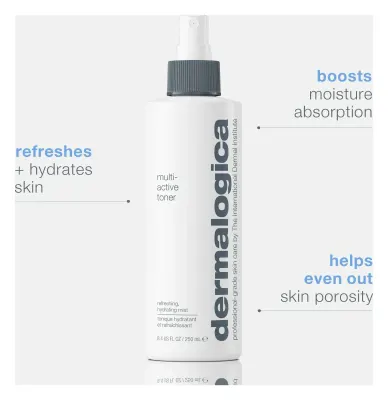
Dermalogica antioxidant hydramist
Pea extract, rose extract, clove extract, and antioxidant support · dry, oily, combination, sensitive, normal skin · scented
AmazonBrand lists it for oily skin
Dermalogica biolumin-c vitamin c eye serum
Vitamin C complex, Arjun tree extract, chia seed oil, Tremella mushroom, micro-algae and Poria mushroom · oily, dry, combination, sensitive, normal skin · scented
Amazon


All 10 products with Proline
Hydrating Serums, Essences & Ampoules (4)



Hydrating Toners, Essence Waters & Face Mists (3)

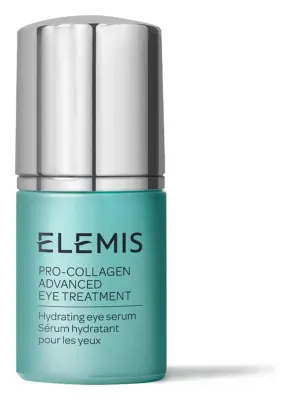
Eye Creams & Under-Eye Patches (2)
Gel, Foam & Cream Facial Cleansers (1)

Common questions
What does proline do in skincare?
Proline is an amino acid used in cosmetics mainly for humectant and skin-conditioning roles. It may be one of several water-binding ingredients in a moisturizer or serum.
Is proline the same as collagen?
No. Proline is an amino acid that occurs in proteins, including collagen, but it is not collagen itself. A product containing proline does not automatically rebuild collagen in skin.
Is proline an active ingredient?
It is sometimes presented as an active, but its usual cosmetic role is supportive. Think of it as part of a hydration or conditioning blend rather than a stand-alone treatment.
Is proline natural?
Proline occurs naturally in proteins and can also be manufactured or made through fermentation. The product label does not identify the source used by the supplier.