Rosehip Oil
What rosehip oil does in skincare, how to use it as an emollient, and what to know about plant oils and sensitive skin.
Extremely safeIn 10 products we cover
We may earn a commission when you buy through links on this page. It never changes what we recommend.

What it is
Rosehip oil is a plant-derived oil made from seeds or fruit of certain rose species. Ingredient lists may identify it as Rosa Canina Seed Oil, Rosa Canina Fruit Oil, Rosa Rubiginosa Seed Oil or another related name. Those labels do not all describe precisely the same starting material. The oil may be used on its own or blended into facial oils, creams and other leave-on products. Extraction and refinement affect its color, scent and fatty-acid profile, so products can differ even when they use the same common name.
What it does
- Softens dry-feeling skin. Like other emollient oils, rosehip oil helps smooth the feel of roughness and support a supple skin surface.
- Adds an oil phase. Formulators use it to contribute richness and improve how a cream or balm spreads.
- Helps reduce moisture loss. Oils can provide some occlusive effect, though they do not replace water-binding ingredients or a complete moisturizer for everyone.
Who it suits
Consider rosehip oil if you like facial oils or want extra emollience over a moisturizer. Your preference for texture is a useful guide: some people enjoy the soft, slightly oily finish, while others find oils too rich or shiny. A facial oil is optional, not a required anti-aging or repair step. If you are prone to clogged-feeling skin, try a small amount in a finished product rather than assuming every oil behaves the same way. Botanical oils can also be a concern for people with sensitivities, and oxidation or poor storage can affect an oil. Check the product directions and discontinue use if it irritates you. No plant oil can stand in for a dermatologist’s advice about a skin condition.
What to pair it with, and what not to
Rosehip oil can be layered over water-based products such as hyaluronic acid or a moisturizer with ceramides. If using it with retinol, keep the retinoid schedule conservative and add products one at a time; an oil does not cancel out retinoid irritation. You can also apply a few drops mixed into a moisturizer if the product instructions allow it. Avoid assuming that more oil means more benefit, and store the product as directed. Sunscreen remains the daytime step that protects against UV exposure.
Skin Realist check: An oil is a supporting character, not a whole routine in a bottle. If you like the finish, use it; if you do not, your skin-care report card remains intact.
How it appears on labels: Rosa Canina Fruit Oil; Rosa Canina (Rosehips) Fruit Extract; Rosa Canina Seed Oil; Rosa Canina (Rose Hips) Fruit Extract; Rosa Canina (Rosehips) Fruit Oil; Rosa Canina (Rosehips) Fruit Extract*
Quick picks with Rosehip Oil
Scent-free, no patch-test flags on the label
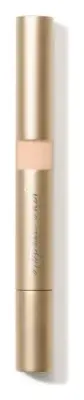
Jane Iredale Active Light Under-eye Concealer
scent-free label
AmazonBrand lists it for sensitive skin
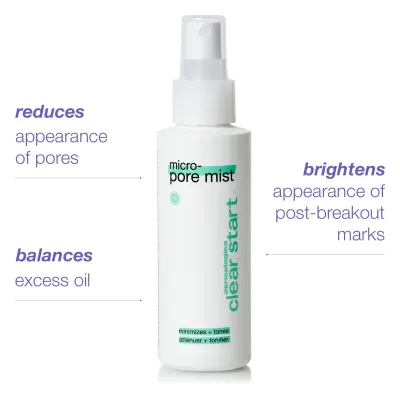
Dermalogica micro-pore mist
Niacinamide, wild rose hips flavonoid complex and cucumber extract · oily, dry, combination, sensitive, normal skin · scented
AmazonBrand lists it for oily skin
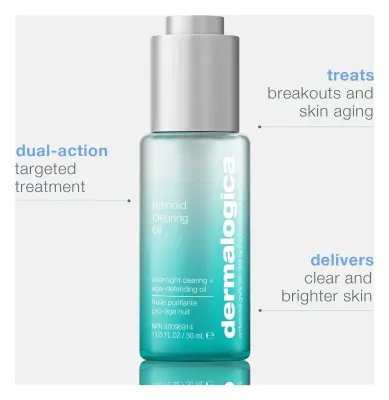
Dermalogica retinoid acne clearing oil
Salicylic acid 2.0%, retinyl propionate, jojoba seed oil, rosehip seed oil, argan oil · normal, dry, combination, oily, sensitive skin · scented
Amazon
All 10 products with Rosehip Oil
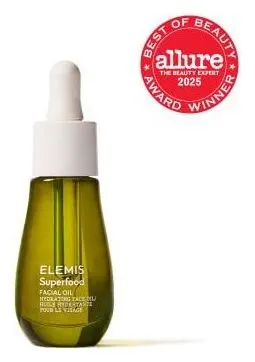
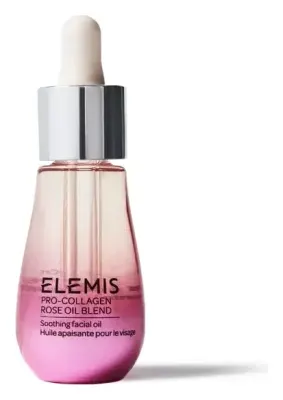
Face Oils & Treatment Oils (2)
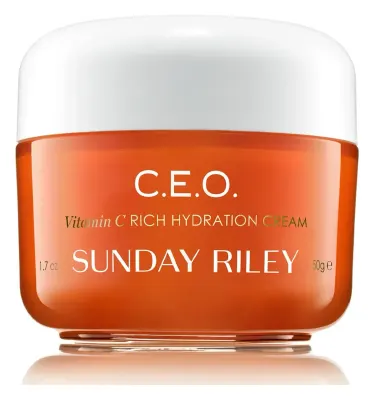
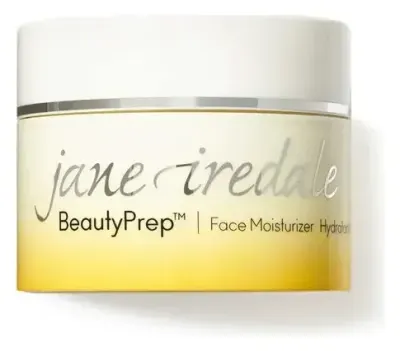
Daily Moisturizers & Water Gel Creams (2)
Anti-Aging & Retinoid Serums (2)

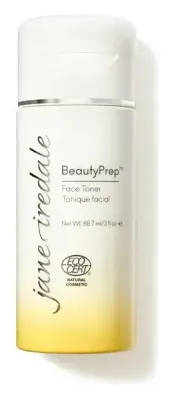
Hydrating Toners, Essence Waters & Face Mists (2)
High-Definition Camouflage Concealers (1)
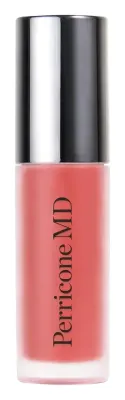
Lipsticks, Glosses & Lip Liners (1)
Common questions
What is rosehip oil in skincare?
Rosehip oil is a plant oil obtained from the seeds or fruit of rose species, with Rosa Canina among the names that may appear on labels. Products may use different rose species, plant parts and processing methods. That means two bottles called rosehip oil need not have identical compositions.
What does rosehip oil do for skin?
Rosehip oil works mainly as an emollient, helping soften skin and reduce the feeling of dryness. It also contributes a lightweight oil texture to a formula. It is not the same ingredient as a retinoid, despite occasional comparisons based on naturally occurring compounds.
Is rosehip oil good for oily skin?
Skin can be oily and still feel dry, but facial oils do not suit every preference or formula. If you want to try one, start with a small amount in a product designed for the face and observe how it feels. A lighter moisturizer may be more comfortable for some people.
Can rosehip oil be used with retinol?
They can appear in the same routine, and there is no standard ingredient incompatibility between them. An oil may help soften the feel of dryness, but it does not prevent every retinoid reaction. Start retinol gradually as directed, and add the oil separately so you can assess each product.