Chia Seed Oil
What chia seed oil adds to skincare, why it contains alpha-linolenic acid, and how to think about oxidation and storage.
Probably fineIn 10 products we cover
We may earn a commission when you buy through links on this page. It never changes what we recommend.
Quick facts
- INCI name
- Salvia Hispanica Seed Oil
- Origin
- Plant-derived
- Chemical class
- Plant oil (triglycerides)
- What it does in a formula
- emollient, skin conditioning
- Why it is in the formula
- It softens skin and adds a lightweight, oil-rich conditioning feel.
What it is
Pressed from the seeds of Salvia hispanica, a Central American flowering plant, chia seed oil is an emollient lipid used in moisturizers and facial oils. While the genus name Salvia includes culinary sage, chia oil is pressed from edible seeds rather than distilled into an aromatic essential oil or fragrance material.
Its fatty-acid profile is typically rich in alpha-linolenic acid, a polyunsaturated omega-3 fat, alongside smaller amounts of other fatty acids. That profile affects how the oil behaves. Oils with a high proportion of polyunsaturated fats can be more prone to oxidation when exposed to heat, light, or air. Processing and packaging also influence stability, so storage directions matter.
What it does
- Softens skin. Chia oil is an emollient that can leave skin feeling smooth and conditioned.
- Adds slip. It contributes an oil-rich feel to creams, serums, and face oils.
- Helps reduce moisture loss. In a leave-on formula, it can add a surface layer that slows water escaping from skin.
Who it suits
Chia seed oil may appeal if you like plant oils but want one that can feel relatively light. It is not automatically suitable for every skin type, and a fatty-acid profile cannot predict whether a finished product will feel comfortable or clog pores for you. Comedogenic ratings are unreliable, so there is no dependable numerical score to settle that question.
If oils tend to feel heavy on your skin, try a small amount of a finished product or choose a lighter moisturizer. Check whether the formula also contains fragrance or other ingredients you know you avoid. Keep the container closed, away from heat and direct sunlight, and follow the package’s after-opening instructions. Discontinue use if the oil smells rancid or the product changes noticeably.
What to pair it with, and what not to
Chia oil can be applied after water-based products or used in a moisturizer, following the product directions. It does not need a special active alongside it. Avoid adding several oils just because they are plant-derived; texture preference is enough reason to simplify. Use sunscreen during the day as directed.
Skin Realist check: A seed oil can be an enjoyable texture choice without needing to become your entire personality.
Quick picks with Chia Seed Oil
Scent-free, no patch-test flags on the label
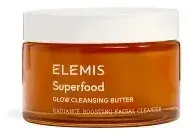
Elemis Superfood Glow Cleansing Butter
Lactobacillus/Acerola Cherry Ferment · scent-free label
AmazonBrand lists it for sensitive skin
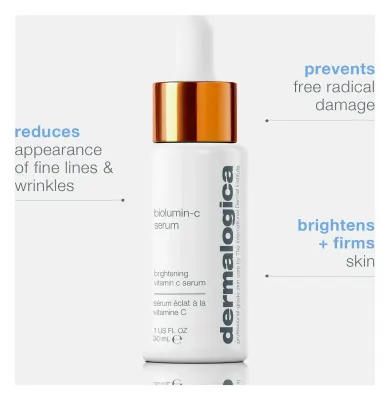
Dermalogica biolumin-c vitamin c serum
Vitamin C · oily, dry, combination, sensitive, normal skin · scented
AmazonBrand lists it for oily skin
Dermalogica biolumin-c vitamin c eye serum
Vitamin C complex, Arjun tree extract, chia seed oil, Tremella mushroom, micro-algae and Poria mushroom · oily, dry, combination, sensitive, normal skin · scented
Amazon

All 10 products with Chia Seed Oil
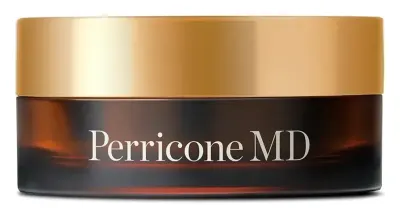
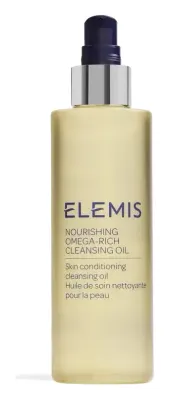
Premium Double-Cleansing Balms & Melting Gels (3)
Daily Moisturizers & Water Gel Creams (2)

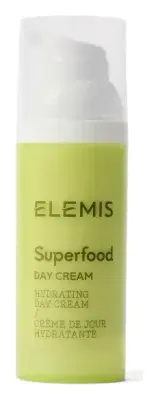
Targeted Vitamin C & Brightening Correctors (1)
Eye Creams & Under-Eye Patches (1)
Body Creams, Butters & Body Oils (1)
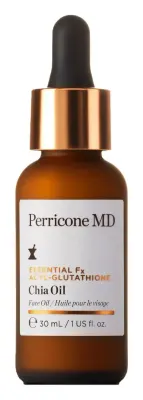
Face Oils & Treatment Oils (1)
Gel, Foam & Cream Facial Cleansers (1)

Common questions
What does chia seed oil do for skin?
Chia seed oil is an emollient that softens skin and adds a light oil feel. It is used in facial oils and moisturizing formulas.
Is chia seed oil high in omega-3?
Chia seed oil is typically rich in alpha-linolenic acid, a plant-based omega-3 fatty acid. The exact fatty-acid profile can vary by seed source and processing.
Does chia seed oil go rancid quickly?
Its high proportion of polyunsaturated fatty acids makes it more prone to oxidation than many oils richer in monounsaturated fats. Keep products closed and stored as directed, and stop using them if their smell or appearance changes.
Is chia seed oil good for sensitive skin?
It is an emollient oil, not a fragrance oil, but individual responses to formulas vary. Check the complete ingredient list and patch-test a new product if you are prone to reactions.