Sclerotium Gum
What sclerotium gum does as a texture and thickening ingredient in moisturizers, serums, and other cosmetics.
Extremely safeIn 12 products we cover
We may earn a commission when you buy through links on this page. It never changes what we recommend.
Quick facts
- INCI name
- Sclerotium Gum
- Origin
- Biotech (fermentation)
- Chemical class
- Microbial polysaccharide gum
- What it does in a formula
- viscosity controlling, stabilizing, skin conditioning
- Why it is in the formula
- It thickens and stabilizes a formula while helping give it a smooth, cohesive feel.
What it is
Formulators use sclerotium gum, a fermentation-derived polysaccharide, to thicken and stabilize water-based gels, serums, and creams. It helps create a smooth, coherent texture that spreads easily without feeling runny or thin. Despite containing the word gum, it functions as a cosmetic rheology modifier rather than a sticky household adhesive.
The feel of a finished product depends on more than one thickener. A formulator may combine gums, polymers, oils, and other ingredients to balance spread, cushion, and stability. Sclerotium gum is a supporting material that helps the formula behave consistently; it is not usually added to deliver a dramatic direct effect on skin.
What it does
- Thickens a formula. It helps increase viscosity in gels, creams, and other products.
- Supports stability. It can help keep components evenly distributed and give the product a uniform texture.
- Improves spread. It may contribute to a smooth, cohesive feel during application.
Who it suits
Sclerotium gum is a helper ingredient rather than a reason to choose one active over another. It is used in products for many skin types, but its presence does not determine whether the entire product is suitable for your preferences. If you dislike sticky or gel-like textures, pay attention to reviews or product descriptions of the whole formula rather than looking for one thickener on the label.
As with any cosmetic, a person can react to a finished product. If you notice persistent discomfort, stop using it and consider the rest of the formula. There is no need to avoid sclerotium gum merely because it is produced by fermentation or called a gum. Skin feel depends on the concentration and on other ingredients working alongside it.
What to pair it with, and what not to
Sclerotium gum does not need a separate skincare partner. It is already part of a product’s texture system and can appear with humectants, oils, and actives. Use the product according to its directions. If its consistency changes unexpectedly or it separates, do not try to fix the formula by mixing in another thickener.
Skin Realist check: Texture is part of whether you will use the product. A little gum can make the routine less of a wrestling match.
Quick picks with Sclerotium Gum
Scent-free, no patch-test flags on the label
COSRX 5 PDRN Hyaluronic Acid Vital Hydrating Hydrogel Mask
PDRN · scent-free label
AmazonBrand lists it for sensitive skin
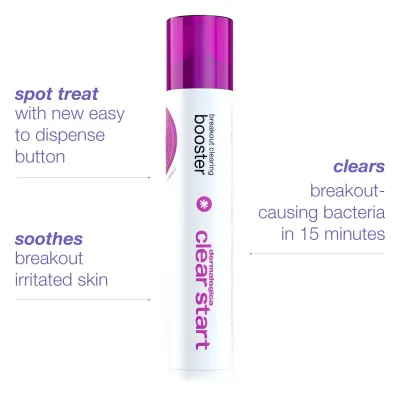
Dermalogica Breakout Clearing Booster
Salicylic acid, niacinamide, tea tree leaf oil, lactic acid · normal, dry, combination, oily, sensitive skin · scented
AmazonBrand lists it for oily skin
Dermalogica biolumin-c vitamin c gel moisturizer
Vitamin C complex, squalane, five types of hyaluronic acid, Verbascum thapsus flower extract, phytic acid and pumpkin enzymes · oily, dry, combination, sensitive, normal skin · scented
Amazon


All 12 products with Sclerotium Gum
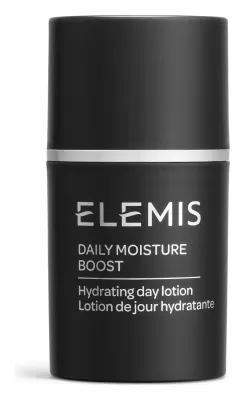
Daily Moisturizers & Water Gel Creams (4)


Sheet, Hydrogel & Clay Masks (3)


Pimple Patches & Overnight Spot Treatments (1)
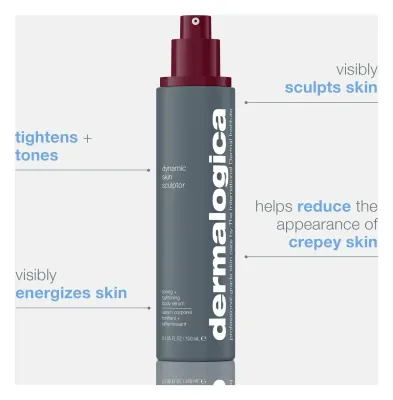
Body Creams, Butters & Body Oils (1)
Cream & Gel Treatment Masks (1)

Hydrating Serums, Essences & Ampoules (1)

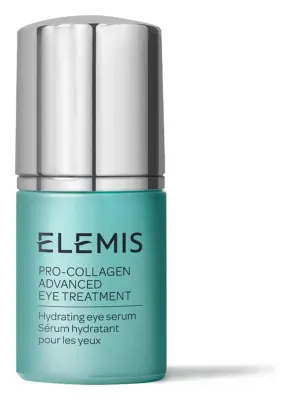
Eye Creams & Under-Eye Patches (1)
Common questions
What is sclerotium gum in skincare?
It is a gum-like polysaccharide made through microbial fermentation. Cosmetics use it to thicken, stabilize, and improve the feel of formulas.
Is sclerotium gum the same as xanthan gum?
No. Both are polysaccharide thickeners, but they are different materials made by different processes. They can have overlapping formulation uses without being identical.
Does sclerotium gum hydrate skin?
Its main role is to control texture and stabilize the formula. It may contribute to a conditioned feel, but it is not usually the primary humectant in a moisturizer.