Serine
What serine does in skincare, how it relates to the skin's natural moisturizing factor, and why it is usually a humectant helper.
Extremely safeIn 14 products we cover
We may earn a commission when you buy through links on this page. It never changes what we recommend.
Quick facts
- INCI name
- Serine
- CAS number
- 56-45-1
- Origin
- Biotech (fermentation) or Synthetic
- Chemical class
- Amino acid
- What it does in a formula
- humectant, skin conditioning
- Why it is in the formula
- Serine helps bind water and can support the humectant blend in a moisturizer or serum.
What it is
As a natural constituent of the skin’s natural moisturizing factor, serine is an amino acid commonly added to skincare products as a humectant and skin conditioner. Like other protein building blocks, cosmetic serine is produced commercially through fermentation or synthesis. The ingredient list does not specify the manufacturing source.
That connection helps explain why serine appears in hydration-focused formulas, but it should not be overread. Applying serine in a product is not the same as changing the skin’s own production of natural moisturizing factor. Its role is generally supportive, alongside more familiar humectants and emollients. It is often marketed as an active, but the strongest basic description is that it helps with hydration and formula conditioning rather than delivering a dramatic standalone effect.
What it does
- Attracts and holds water. As a humectant, serine helps support water content in a formula and may contribute to a hydrated skin feel.
- Supports the skin-conditioning blend. It is one of several small molecules that can help make a moisturizer feel less drying.
- Complements other hydrators. Formulators can use it alongside glycerin or other humectants rather than relying on one ingredient alone.
Who it suits
Serine can appear in products aimed at dry or dehydrated-feeling skin, but its presence does not determine whether the whole formula is rich or effective. If your skin needs more softness, a product with emollients may matter as much as the humectants. If you are looking for a specific active result, read beyond the ingredient story and consider the formula as a whole.
Most people will encounter serine as one part of a blend. The label does not show its amount, source, or the product’s water-binding performance. A reaction to a serum or cream could come from any part of the formula, not necessarily serine. Introduce new products thoughtfully, and stop using one if it causes ongoing irritation. For persistent skin concerns, a dermatologist can help choose appropriate care.
What to pair it with, and what not to
Serine can sit comfortably alongside other humectants such as glycerin and emollients that reduce a dry feel. There is no required active pairing and no need to stack several serine products. Choose one moisturizer or serum that suits your routine.
Skin Realist check: Amino acids do useful, quiet work. Your moisturizer does not need to turn into a chemistry lecture to be worthwhile.
Quick picks with Serine
Scent-free, no patch-test flags on the label
Perricone MD High Potency Hyaluronic Intensive Moisturizer
Three forms of hyaluronic acid, DMAE and rosemary leaf extract · scent-free label
AmazonBrand lists it for sensitive skin
Dermalogica antioxidant hydramist
Pea extract, rose extract, clove extract, and antioxidant support · dry, oily, combination, sensitive, normal skin · scented
AmazonBrand lists it for oily skin
Dermalogica biolumin-c vitamin c eye serum
Vitamin C complex, Arjun tree extract, chia seed oil, Tremella mushroom, micro-algae and Poria mushroom · oily, dry, combination, sensitive, normal skin · scented
Amazon



All 14 products with Serine
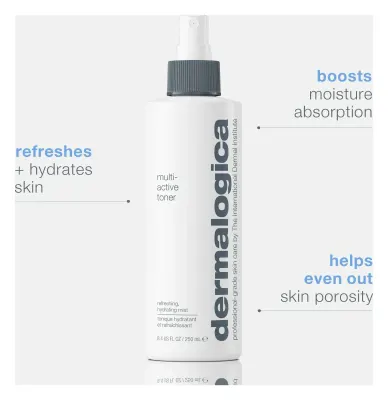
Hydrating Toners, Essence Waters & Face Mists (3)

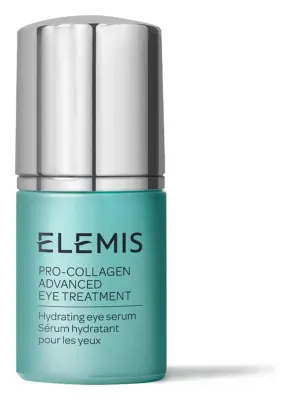
Eye Creams & Under-Eye Patches (3)
Daily Moisturizers & Water Gel Creams (3)


Hydrating Serums, Essences & Ampoules (3)



Cream & Gel Treatment Masks (1)

Gel, Foam & Cream Facial Cleansers (1)

Common questions
What does serine do in skincare?
Serine is an amino acid used mainly as a humectant and skin-conditioning ingredient. It can help a formula attract and hold water, but it is not usually a headline active.
Is serine part of the skin's natural moisturizing factor?
Yes. Serine is one of the amino acids found in the skin's natural moisturizing factor, a mixture of water-binding substances in the outer skin layer. That does not mean every topical serine formula will reproduce the body's natural process.
Is serine good for dry skin?
A formula with humectants such as serine may help skin feel more hydrated. The overall product matters, and dry skin may also benefit from emollients that soften the surface.
Is serine an active ingredient?
It can be marketed alongside actives, but its main cosmetic role is humectant support. Do not expect it to work like a well-studied exfoliating or pigment-targeting active.