Sodium Gluconate
What sodium gluconate does as a chelator, why it helps manage trace metals in a formula, and why it needs no special pairing.
Extremely safeIn 9 products we cover
We may earn a commission when you buy through links on this page. It never changes what we recommend.
Quick facts
- INCI name
- Sodium Gluconate
- CAS number
- 527-07-1
- Origin
- Biotech (fermentation) or Synthetic
- Chemical class
- Gluconate salt
- What it does in a formula
- chelating, buffering, skin conditioning
- Why it is in the formula
- Sodium gluconate binds trace metal ions that can otherwise destabilize a cosmetic formula.
What it is
Produced through the fermentation of sugars or chemical processing, sodium gluconate is the sodium salt of gluconic acid used primarily as a cosmetic chelating agent. It binds trace metal ions from water or raw materials, preventing them from destabilizing colors, odors, or emulsions over time.
This makes sodium gluconate a formula helper rather than a skin-care active. A label does not tell you how much is used, and the chelator is only one part of the product’s preservation and stability system. It does not replace preservatives in a water-based formula, and it is not something you need to apply by itself. The ingredient may appear in cleansers, creams, serums and other products.
What it does
- Binds trace metals. Chelating can reduce the effect of metal ions that may interfere with a formula.
- Supports stability. By managing trace metals, it can help antioxidants and preservatives work in a more predictable product environment.
- Helps maintain appearance. Formula stability can include maintaining a consistent look and smell through normal storage and use.
- Plays a supporting role. Sodium gluconate is not the main reason a product hydrates, cleanses or changes the skin’s appearance.
Who it suits
Sodium gluconate is not linked to a particular skin type because its main job is within the product. It may be used in formulas for many kinds of skin. If you have a reaction to a product, this ingredient’s presence alone does not identify the cause; consider fragrance, preservatives, actives and the rest of the recipe. Patch-test new products if you are prone to irritation. A chelator in a formula does not make it hypoallergenic or guarantee that the product will agree with everyone.
What to pair it with, and what not to
Nothing needs to be paired with sodium gluconate. It is incorporated into the formula to bind metal ions and support stability. Use the finished product as directed; do not add a separate chelator to your routine.
Skin Realist check: The ingredient that keeps the recipe tidy is doing useful work, even if it is not the fun part of the label.
Quick picks with Sodium Gluconate
Scent-free, no patch-test flags on the label
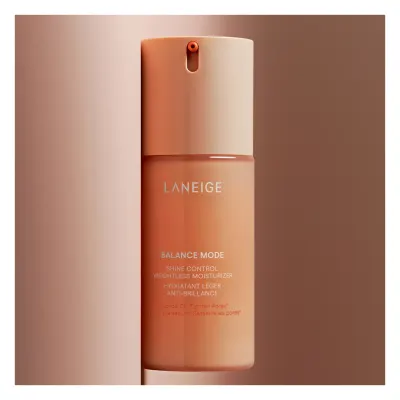
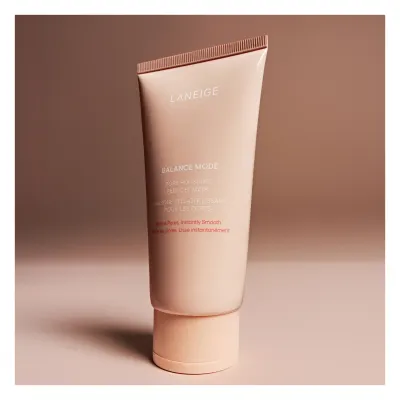
Laneige Balance Mode Shine Control Weightless Moisturizer
Rice bran water, niacinamide, squalane, madecassoside, and rice ferment · oily, combination, sensitive, normal skin · scent-free label
AmazonBrand lists it for sensitive skin
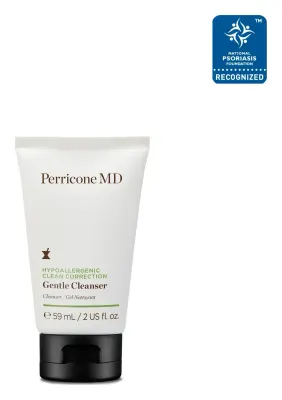
Perricone MD Hypoallergenic Clean Correction Gentle Cleanser
Fermented rice water, glycerin, and holy basil · sensitive skin · scent-free label
AmazonBrand lists it for oily skin
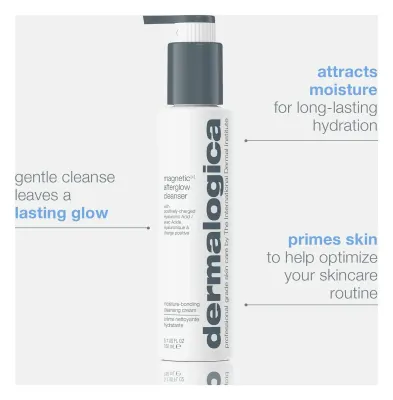
Dermalogica magnetic[+] afterglow cleanser
Positively charged hyaluronic acid, murumuru butter, oat, lotus root extract, and 10% glycerin · oily, dry, combination, sensitive, normal skin · scented
Amazon
All 9 products with Sodium Gluconate
Daily Moisturizers & Water Gel Creams (2)

Gel, Foam & Cream Facial Cleansers (2)
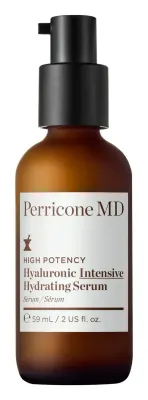
Hydrating Serums, Essences & Ampoules (2)
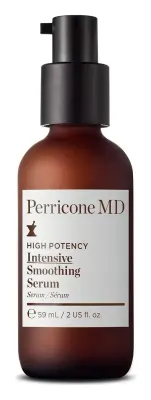
Mineral Pressed Powders & Skin-Nourishing Primers (1)
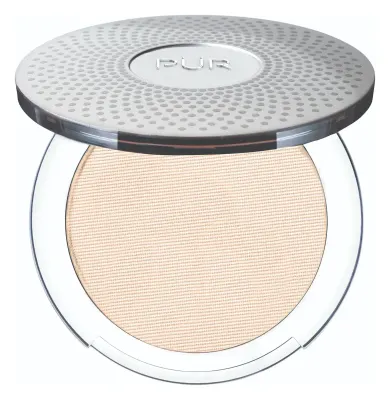
Dermatological Acne & Chemical Exfoliating Liquids (1)
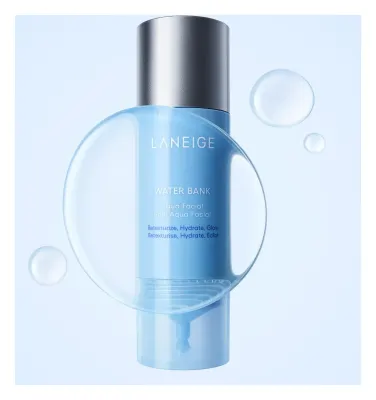
Cream & Gel Treatment Masks (1)
Common questions
What does sodium gluconate do in skincare?
It is a chelator, meaning it can bind trace metal ions in a formula. That can help support product stability.
Is sodium gluconate an active ingredient?
It is usually a supporting formulation ingredient rather than an active chosen for a visible skin result. Its job is mainly inside the product.
Is sodium gluconate the same as gluconic acid?
No. Sodium gluconate is the sodium salt of gluconic acid. Their names are related, but they are different ingredients.
What should I pair with sodium gluconate?
Nothing. It is used within a formula to bind trace metals and support stability, not as a stand-alone step in a routine.