Sodium Polyacrylate
What sodium polyacrylate does as a polymeric thickener, how it changes a formula's texture, and what the ingredient name does not imply.
Extremely safeIn 23 products we cover
We may earn a commission when you buy through links on this page. It never changes what we recommend.
Quick facts
- INCI name
- Sodium Polyacrylate
- Origin
- Synthetic
- Chemical class
- Synthetic polymer
- What it does in a formula
- viscosity controlling, film forming, stabilizing
- Why it is in the formula
- Sodium polyacrylate thickens and stabilizes a formula, helping it spread with a smooth, cushioned feel.
What it is
Based on neutralized acrylic-acid chemistry, sodium polyacrylate is a water-absorbing synthetic polymer that provides texture and stability to cosmetic gels and emulsions. It is neither a botanical extract nor a form of hyaluronic acid, but rather a functional rheology modifier that turns liquid bases into smooth, cohesive gels.
You may find it in skin-care products and makeup where a smooth gel or cream texture is useful. It is a functional ingredient rather than an active that you would choose to address a particular skin concern. The word polymer describes a large molecule made of repeating units. It does not mean the finished product contains visible plastic pieces, and the label alone is not enough to classify environmental effects under every definition of microplastics.
What it does
- Thickens the formula. Sodium polyacrylate can make a lotion, gel or cream feel more substantial and easier to spread.
- Helps stabilize texture. It can support a consistent product and help dispersed ingredients remain distributed.
- Creates a light film. Depending on the formula, it can leave a smooth surface feel after application.
- Supports product design. It allows formulators to tune flow, glide and cushion without relying only on oils or waxes.
Who it suits
Sodium polyacrylate is a supporting ingredient, not the reason to buy a product. It can be used in formulas for many skin types. If you are sensitive to a formula, the polymer may not be the cause; fragrances, preservatives and actives are other possible contributors. Focus on your experience with the full product and patch-test when trying something new. People who prefer to avoid certain synthetic polymers for personal or environmental reasons can use the ingredient name to make that choice, while recognizing that terms such as microplastic have more than one technical definition.
What to pair it with, and what not to
There is no special ingredient combination required. Sodium polyacrylate is formulated alongside water, emollients and other texture agents. Choose the finished product for its overall feel, and avoid layering extra products solely to counteract its presence.
Skin Realist check: A moisturizer does not become more impressive because its thickener has a longer name. Judge the feel, not the syllables.
Quick picks with Sodium Polyacrylate
Scent-free, no patch-test flags on the label
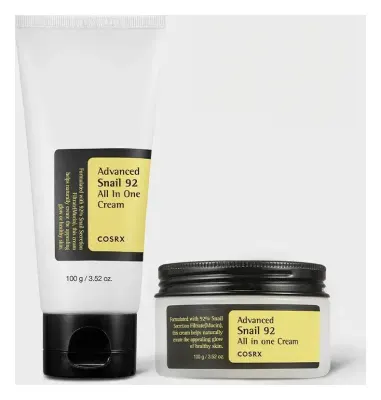
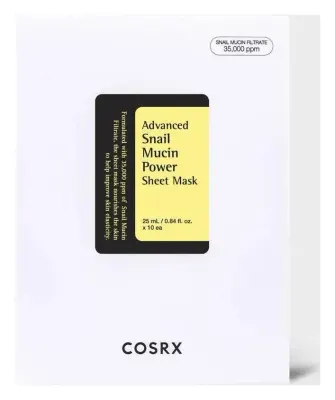
COSRX Advanced Snail 92 All in One Cream
Snail Secretion Filtrate · scent-free label
AmazonBrand lists it for sensitive skin
Dermalogica multivitamin power recovery masque
Vitamins A, C, and E; linoleic acid; algae extract; pro-vitamin B5 · dry, combination, normal, oily, sensitive skin · scented
AmazonBrand lists it for oily skin
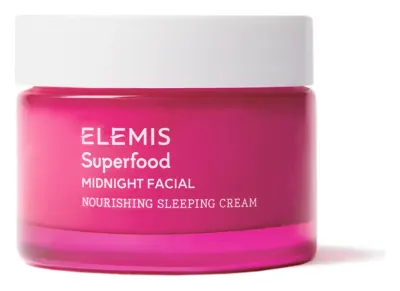
Elemis Superfood Midnight Facial
Cocoa seed butter, banana flower extract, camu camu, and prebiotic alpha-glucan oligosaccharide · combination, dry, normal, oily skin · scented
Amazon

All 23 products with Sodium Polyacrylate
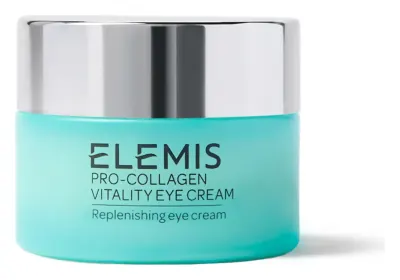
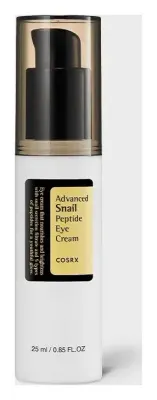
Eye Creams & Under-Eye Patches (6)

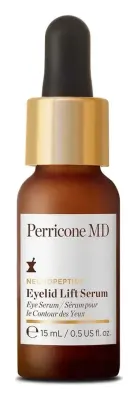
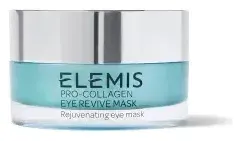
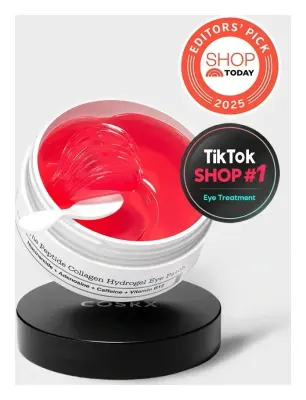
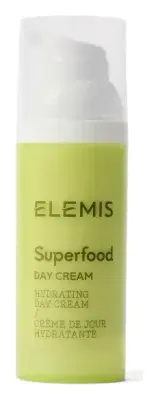
Daily Moisturizers & Water Gel Creams (4)


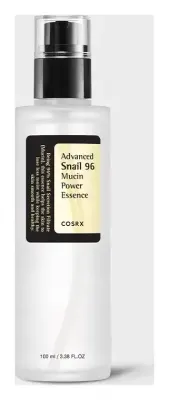
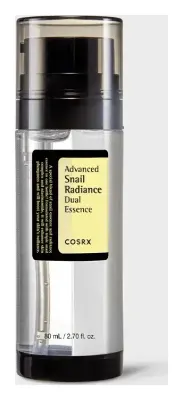
Hydrating Serums, Essences & Ampoules (3)

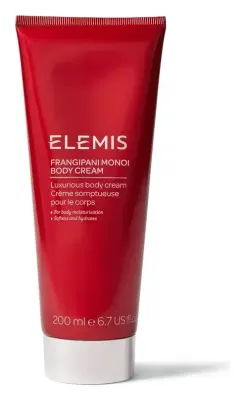
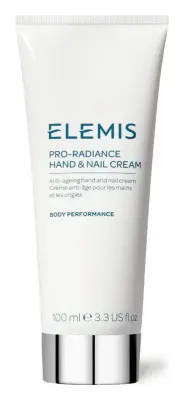
Body Creams, Butters & Body Oils (3)
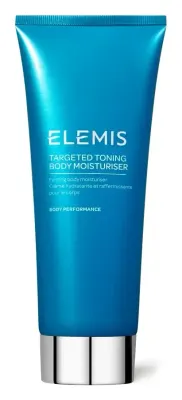
Premium Overnight Recovery Packs & Sleeping Facials (2)
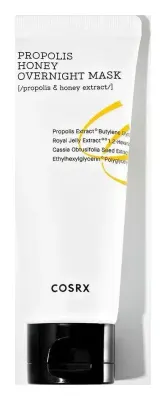
Cream & Gel Treatment Masks (2)

Premium Double-Cleansing Balms & Melting Gels (2)
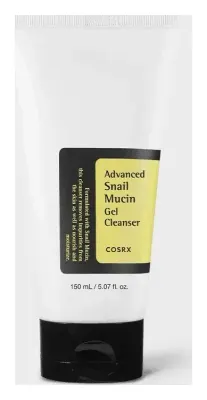
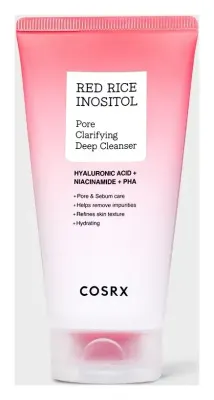
Sheet, Hydrogel & Clay Masks (1)
Common questions
What does sodium polyacrylate do in skincare?
It is a synthetic polymer used to thicken and stabilize cosmetic formulas. It can help create a smooth, gel-like texture.
Is sodium polyacrylate a microplastic?
It is a synthetic polymer, but definitions of microplastic differ by context and regulation. Its presence in a cosmetic formula does not mean the product contains visible plastic beads.
Does sodium polyacrylate moisturize skin?
Its primary job is to control texture and may include film-forming behavior. It is not a replacement for a moisturizer or a dedicated humectant.
Is sodium polyacrylate the same as sodium hyaluronate?
No. They are different materials with different structures and common roles. Similar-sounding sodium names do not make ingredients interchangeable.