Sorbic Acid
What sorbic acid does as a cosmetic preservative, why water-based formulas need protection, and how it differs from sorbate salts.
Extremely safeIn 10 products we cover
We may earn a commission when you buy through links on this page. It never changes what we recommend.
Quick facts
- INCI name
- Sorbic Acid
- CAS number
- 110-44-1
- Origin
- Synthetic or Nature-identical (made in a lab)
- Chemical class
- Unsaturated fatty acid
- What it does in a formula
- preservative, antimicrobial
- Why it is in the formula
- Used as part of a preservation system to help limit microbial growth in a cosmetic.
What it is
Formulators incorporate sorbic acid into cosmetic lotions and creams to prevent the growth of molds, yeasts, and bacteria. It functions within a formula’s overall preservation system, distinct from its salt relative potassium sorbate, and acts to maintain product safety over its shelf life.
Preservation is especially important in formulas that contain water. A water-based product can support microbial growth during storage and regular use if it is not adequately protected. The product’s packaging and how you handle it also matter, but they do not replace a properly designed preservation system. Seeing sorbic acid does not tell you the exact level used or the shelf life of the finished product.
What it does
- Helps preserve the formula. Sorbic acid is used to limit microbial growth.
- Supports product quality. A preservation system helps keep a product usable during normal handling and storage.
- Works with other formula choices. Packaging, pH, and companion preservatives can all be part of the system.
- Does not add a skincare active benefit. Its job is product protection, not treatment of the skin.
Who it suits
Sorbic acid is a functional formula ingredient, not a reason to choose one moisturizer over another. Most shoppers will see it alongside other ingredients designed to keep the product in good condition. If you have a known allergy or sensitivity to a preservative, read the complete label and ask a dermatologist if you need help interpreting a reaction.
A label cannot identify which ingredient caused an irritation on its own. If a product causes persistent discomfort, stop using it and avoid applying more products to the affected area while you assess what happened. Do not assume that products without a familiar preservative are automatically better; water-based cosmetics need an effective way to control microbial growth.
What to pair it with, and what not to
Sorbic acid does not need a companion ingredient in your routine. It can be used alongside other preservation ingredients such as phenoxyethanol or parabens within a finished formula. Follow the package’s storage instructions, and do not use a product that has changed noticeably in appearance, smell, or texture.
Skin Realist check: Preservatives are the quiet staff keeping a water-based product from becoming an experiment.
Quick picks with Sorbic Acid
Scent-free, no patch-test flags on the label
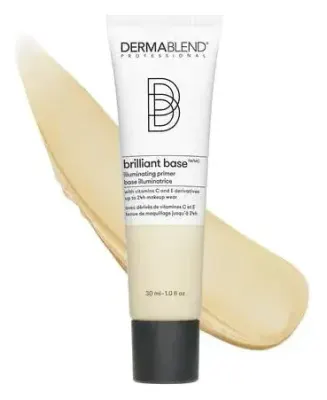
Dermablend Brilliant Base™ Illuminating Primer
scent-free label
AmazonBrand lists it for sensitive skin
Dermalogica antioxidant hydramist
Pea extract, rose extract, clove extract, and antioxidant support · dry, oily, combination, sensitive, normal skin · scented
AmazonBrand lists it for oily skin
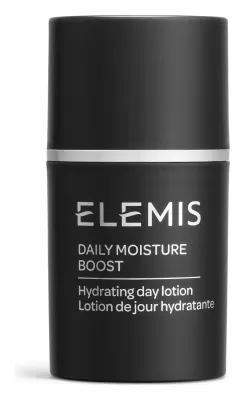
Elemis Daily Moisture Boost
Polynesian Green Tamanu Oil, chestnut extract, cactus flower extract · combination, dry, normal, oily skin · scented
Amazon

All 10 products with Sorbic Acid
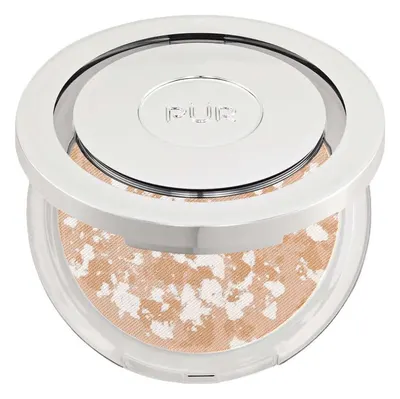
Mineral Pressed Powders & Skin-Nourishing Primers (2)
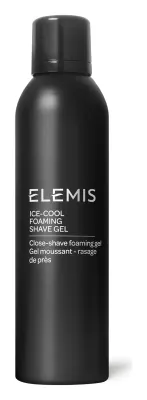
Shaving Creams, Gels & Oils (1)
Hydrating Toners, Essence Waters & Face Mists (1)
Daily Moisturizers & Water Gel Creams (1)
Gel, Foam & Cream Facial Cleansers (1)
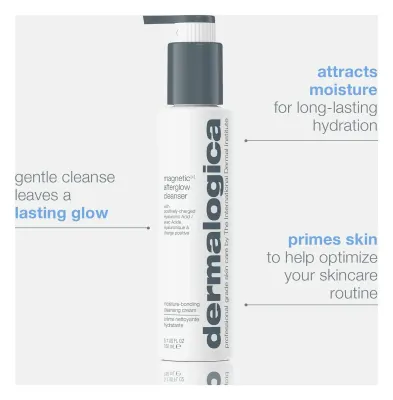
Cream & Gel Treatment Masks (1)

Dermatological Acne & Chemical Exfoliating Liquids (1)
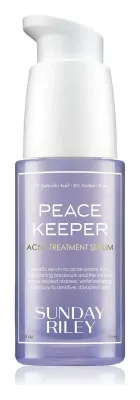
Daily Sunscreens & SPF Moisturizers (1)

Hydrating Serums, Essences & Ampoules (1)

Common questions
What is sorbic acid in skincare?
Sorbic acid is a preservative used to help control microbial growth in cosmetics. It may be included as one part of a broader preservation system.
Why do skincare products need preservatives?
Water-containing cosmetics can support bacteria, yeast, or mold unless they are adequately preserved. Preservatives help maintain product quality during normal storage and use.
Is sorbic acid the same as potassium sorbate?
No. Potassium sorbate is a salt of sorbic acid, though both are used in preservation systems. They are related ingredients, not identical label names.
Can sorbic acid irritate skin?
Most people tolerate cosmetic preservatives, but reactions can occur with any formula. If a product causes persistent irritation, stop using it and consider asking a dermatologist.