Steareth-20
How Steareth-20 helps oil and water stay blended in cosmetics, plus a clear explanation of ethoxylation and trace 1,4-dioxane.
Extremely safeIn 7 products we cover
We may earn a commission when you buy through links on this page. It never changes what we recommend.
Quick facts
- INCI name
- Steareth-20
- Origin
- Synthetic
- Chemical class
- Ethoxylated fatty alcohol (nonionic surfactant)
- What it does in a formula
- emulsifying, surfactant, solubilizing
- Why it is in the formula
- It helps oil and water mix and keeps a cream or lotion from separating.
What it is
Synthesized by ethoxylating stearyl alcohol with an average of 20 ethylene oxide units, steareth-20 is a nonionic emulsifier and surfactant. The number 20 in its INCI name reflects the average length of its polyoxyethylene chain rather than a percentage concentration in the product, and it carries none of the drying traits of simple denatured alcohol.
You may see it in lotions, creams, cleansers and makeup, where it helps ingredients with different properties stay mixed. Ethoxylated ingredients can have 1,4-dioxane as a trace manufacturing byproduct. This contaminant is not intentionally added as a cosmetic ingredient, and manufacturers can reduce it through processing. The FDA monitors cosmetic products and notes that changes in manufacturing have lowered levels over time.
What it does
- Emulsifies. It helps oily and water-based ingredients form a stable mixture.
- Solubilizes. It can help disperse some ingredients so they remain evenly distributed.
- Supports texture. It helps lotions and creams maintain a consistent feel rather than separating.
Who it suits
Steareth-20 is a formula helper, not an ingredient you need to buy on its own. The fact that it is ethoxylated is useful context, but it does not mean that a finished product contains a significant amount of 1,4-dioxane. That substance is an unintended manufacturing byproduct, not the role Steareth-20 plays in the product. Manufacturers use processing controls to reduce trace contaminants, and the FDA has monitored levels in cosmetics.
The ingredient itself is typically selected for formula structure. If a finished product causes discomfort, consider its entire ingredient list and how often you use it. Do not confuse steareth ingredients with drying alcohols: this ingredient is an ethoxylated derivative of a fatty alcohol, not alcohol denat. New York State also limits 1,4-dioxane in cosmetics; that regulation concerns a contaminant, not a skincare benefit or active ingredient.
What to pair it with, and what not to
No special active needs to be paired with Steareth-20. It works behind the scenes alongside oils and water-based ingredients. Choose a product based on its overall formula and follow the directions on the package.
Skin Realist check: The ingredients that keep a lotion from splitting deserve a quiet thank-you.
Quick picks with Steareth-20
Scent-free, no patch-test flags on the label
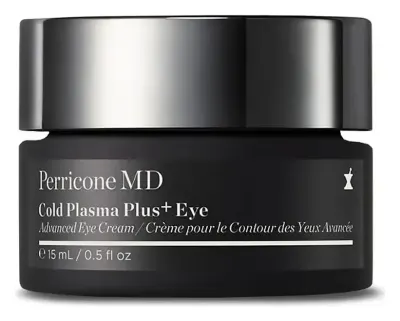
Perricone MD Cold Plasma Plus+ Advanced Eye Cream
Vitamin C Ester, omegas 3, 6 and 9, and peptides · scent-free label
AmazonBrand lists it for sensitive skin
Dermalogica age reversal eye complex
Microencapsulated retinol, niacinamide, ash tree bark extract, vitamin C and peptides · oily, dry, combination, sensitive, normal skin · scent-free label
AmazonFeatured in our guides
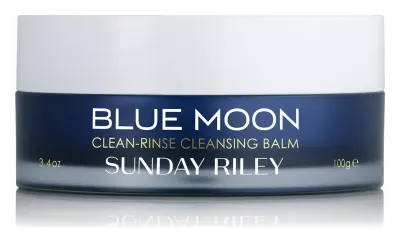
Sunday Riley Blue Moon Clean Rinse Cleansing Balm
scented
Amazon

All 7 products with Steareth-20
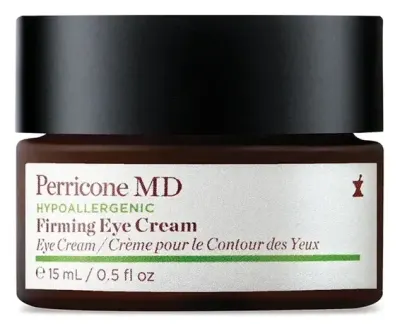
Eye Creams & Under-Eye Patches (4)

Premium Double-Cleansing Balms & Melting Gels (1)
Daily Moisturizers & Water Gel Creams (1)

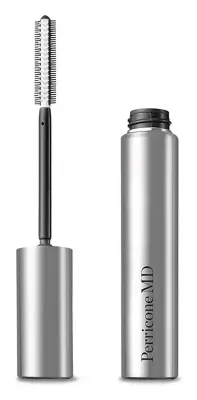
Eye Shadows, Liners, Mascara & Brow Makeup (1)
Common questions
What does Steareth-20 do in skincare?
It is an ethoxylated ingredient used as an emulsifier and surfactant. It helps blend oily and watery parts of a product into a consistent cream or lotion.
Does Steareth-20 contain 1,4-dioxane?
1,4-dioxane is not an intended ingredient, but it can occur as a trace manufacturing byproduct in some ethoxylated ingredients. Manufacturers can reduce it through processing and quality controls, and the FDA monitors levels in cosmetics.
Is 1,4-dioxane added to cosmetics?
It is not used as a cosmetic ingredient; it may be present as a manufacturing contaminant in trace amounts. New York State also limits 1,4-dioxane in cosmetics.
Is Steareth-20 a harsh detergent?
Its main role in many leave-on formulas is helping emulsify or solubilize ingredients. The finished product's use and full surfactant blend determine how it feels on skin.