Sucrose
What Sucrose does in skincare, its usual role in cosmetic formulas, who may prefer it, and what to know before using it.
Extremely safeIn 14 products we cover
We may earn a commission when you buy through links on this page. It never changes what we recommend.
Quick facts
- INCI name
- Sucrose
- CAS number
- 57-50-1
- Origin
- Plant-derived
- Chemical class
- Disaccharide sugar
- What it does in a formula
- humectant, skin conditioning
- Why it is in the formula
- Usually used as a humectant or conditioning ingredient to support a hydrated feel.
What it is
Obtained from sugar cane or sugar beets, sucrose is a natural disaccharide composed of glucose and fructose units. In leave-on skincare creams and serums it acts as a water-binding humectant and skin conditioner, contrasting with its physical role as an abrasive scrubbing particle in exfoliating body polishes.
Sucrose may appear in moisturizers, masks, cleansers, and other products. Its presence does not mean a product is edible, and cosmetic ingredients are selected for their role in a formula rather than food use. The label cannot tell you the concentration or how much hydration you will feel.
What it does
- Helps bind water. As a humectant, it may support a hydrated feel at the skin surface.
- Conditions the formula. It can contribute to a comfortable finish in creams and other products.
- Is not automatically a scrub. Physical exfoliation depends on the complete product and use, not the name sucrose alone.
This ingredient is a supporting part of a finished formula. Its contribution can vary with product type, manufacturing, and other materials used alongside it. Ingredient lists are not concentration labels, so they cannot tell you how strong a particular effect will be.
Who it suits
Sucrose can be used in products designed for different skin types. If you avoid sticky finishes, judge the product itself because a sugar ingredient does not dictate the final feel. It is a helper ingredient and does not replace a complete moisturizer or a routine step you already know works for you.
The overall texture and the rest of the ingredient list matter as much as this one name. If a new product causes persistent discomfort, stop using it and ask a dermatologist for advice. Patch-testing can help you introduce unfamiliar formulas more cautiously.
What to pair it with, and what not to
Sucrose can share a formula with other humectants, such as glycerin, and with emollients that help reduce moisture loss. There is no need to pair it with a special active. Follow product directions, especially if sucrose is part of a rinse-off or exfoliating product. There is no need to build a routine around this ingredient alone. Choose compatible textures, follow product directions, and let the complete formula do its intended job.
Skin Realist check: An ingredient can have an everyday name and still be doing a quiet, practical job.
Quick picks with Sucrose
Scent-free, no patch-test flags on the label
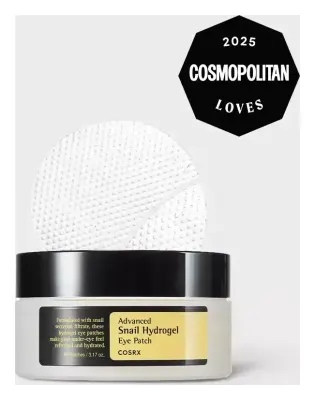
COSRX Advanced Snail Hydrogel Eye Patch
Snail Secretion Filtrate · scent-free label
AmazonBrand lists it for sensitive skin
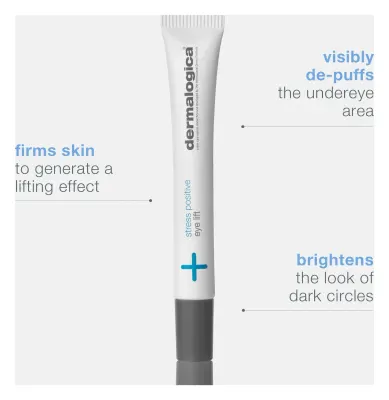
Dermalogica stress positive eye lift mask
Wild Indigo Seed Extract, Sea Water Extract, Arctic Algae, Fermented Yeast, and Hyaluronic Acid · oily, dry, combination, sensitive, normal skin · scented
AmazonBrand lists it for oily skin
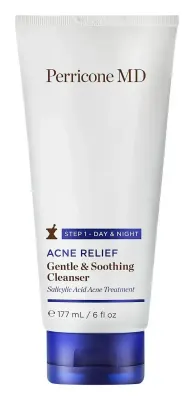
Perricone MD Acne Relief Gentle & Soothing Cleanser
Sucrose, squalane, and glycerin · oily, combination skin · scent-free label
Amazon
All 14 products with Sucrose
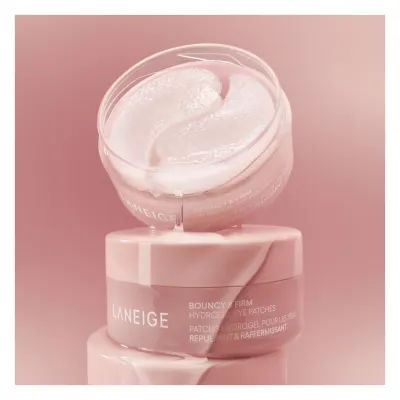
Eye Creams & Under-Eye Patches (5)

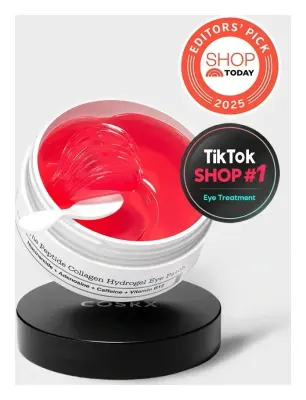
Sheet, Hydrogel & Clay Masks (3)



Gel, Foam & Cream Facial Cleansers (2)
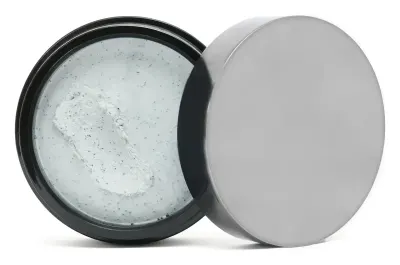
Hydrating Toners, Essence Waters & Face Mists (1)
Hydrating Serums, Essences & Ampoules (1)
Intensive Lip Recovery Masks & Tinted Balms (1)
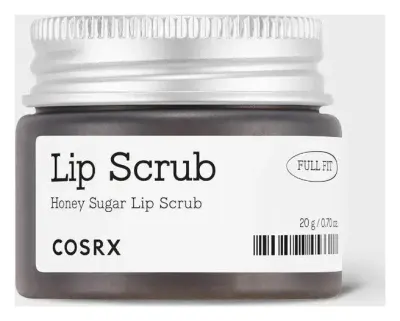
Daily Moisturizers & Water Gel Creams (1)

Common questions
What does sucrose do in skincare?
Sucrose may be used as a humectant or skin-conditioning ingredient. It can support a hydrated feel in a formula.
Is sucrose just table sugar?
Sucrose is the same basic sugar molecule found in table sugar, but cosmetic use is not the same as using food on your skin. The ingredient is formulated for its product purpose.
Does sucrose exfoliate skin?
Not by itself in every product. Any exfoliating effect depends on the complete formula, particle form, and directions for use.