Tin Oxide
What tin oxide does in pearlescent cosmetics, how it supports reflective pigments, and why it is usually a helper rather than a shade colorant.
Extremely safeIn 14 products we cover
We may earn a commission when you buy through links on this page. It never changes what we recommend.
Quick facts
- INCI name
- Tin Oxide
- Origin
- Mineral or Synthetic
- Chemical class
- Inorganic metal oxide
- What it does in a formula
- opacifying, bulking, colorant
- Why it is in the formula
- It helps create or enhance pearlescent effects when combined with reflective mineral pigments.
What it is
Used primarily in makeup, highlighters, and iridescent eyeshadows, tin oxide is an inorganic mineral compound that coats mica flakes to enhance light reflectivity and pearlescent luster. It functions as an optical optical-interference layer within composite pigments rather than supplying primary opaque color on its own.
Colorants used in cosmetics are regulated according to their identity and permitted uses, often identified by a Color Index (CI) number. Tin oxide may appear in an ingredient list alongside other pigment ingredients; its presence does not tell you which shade is in the pan or how much reflection you will see. It has a practical role in the formula rather than a skin-care benefit.
What it does
- Supports pearlescence. In combination with reflective pigments, it can help create a luminous or shimmering finish.
- Helps build visual effects. Pigment blends use different materials for opacity, color, and light reflection, so tin oxide may contribute to the overall effect.
- Acts as a formula helper. It is generally not the sole colorant that creates a makeup shade.
Who it suits
Tin oxide is most relevant if you are choosing makeup for its finish or color. Someone who likes a subtle sheen may prefer a different pigment balance from someone who wants a metallic look. The ingredient name alone does not predict the final result; swatching in suitable lighting and checking the shade description are more useful.
If you have a known sensitivity to a pigment or cosmetic ingredient, look at the complete label and follow your clinician’s advice. A reaction to makeup could come from another pigment, fragrance, preservative, or the product’s base. There is no need to seek tin oxide out as a skin active. It is part of the color and finish system, and the finished product’s use and application matter more to your routine.
What to pair it with, and what not to
Tin oxide does not require a skincare pairing. It is part of a makeup pigment system, so use the product as directed and remove it with a cleanser that suits you. Choose the finish you like rather than treating one pigment name as a promise of shimmer or color.
Skin Realist check: The shimmer is the headline; this ingredient is often one of the stagehands. Credit the whole pigment blend, not one name in isolation.
Quick picks with Tin Oxide
Scent-free, no patch-test flags on the label
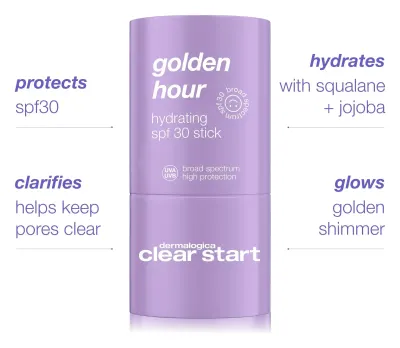
Dermalogica golden hour hydrating spf30 stick
Squalane, jojoba seed oil, willow bark extract, and a golden shimmer finish · scent-free label
AmazonBrand lists it for sensitive skin
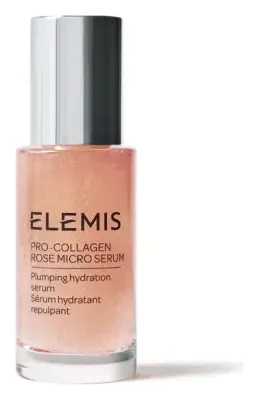
Elemis Pro-Collagen Rose Micro Serum
Rose extract, padina pavonica, collagen amino acids, and glycerin · sensitive skin · scented
AmazonBrand lists it for oily skin
Dermalogica skinperfect primer spf30
Argan oil, peptides, sodium hyaluronate, vitamin E · normal, dry, combination, oily, sensitive skin · scented
Amazon

All 14 products with Tin Oxide
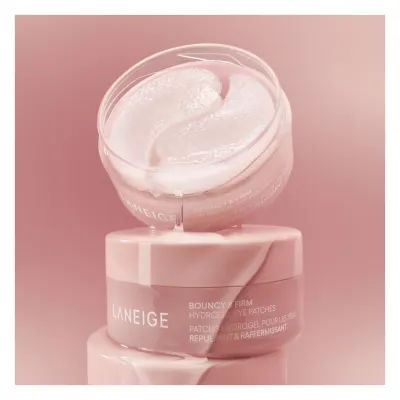
Eye Creams & Under-Eye Patches (2)

Daily Sunscreens & SPF Moisturizers (2)
Daily Moisturizers & Water Gel Creams (2)

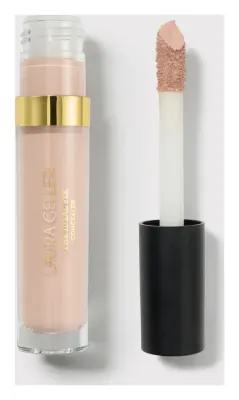
High-Definition Camouflage Concealers (2)
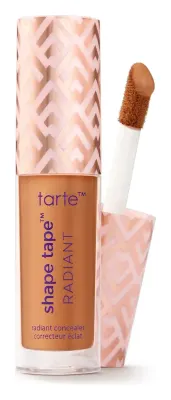
Premium Overnight Recovery Packs & Sleeping Facials (1)

Hydrating Serums, Essences & Ampoules (1)
Eye Shadows, Liners, Mascara & Brow Makeup (1)
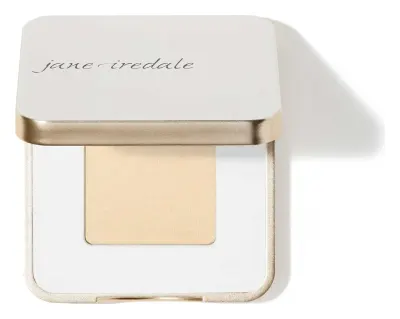
Cream & Gel Treatment Masks (1)
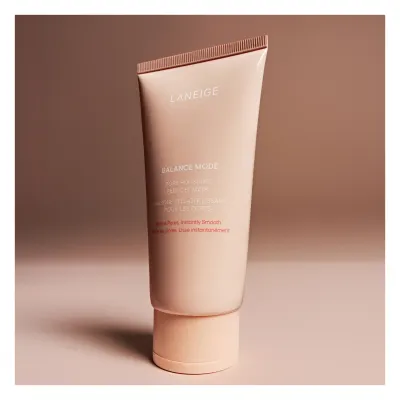
Mineral Pressed Powders & Skin-Nourishing Primers (1)
Anti-Aging & Retinoid Serums (1)

Common questions
What does tin oxide do in makeup?
Tin oxide is often used with reflective pigments to help create a pearly or shimmering effect. It is usually a supporting part of the pigment blend rather than the main source of a makeup shade.
Is tin oxide a colorant?
Its role depends on the finished pigment system. In many cosmetics it helps produce a pearlescent effect alongside other colorants instead of supplying the main shade by itself.
Is tin oxide a natural mineral?
Tin oxide is an inorganic compound that can occur as a mineral and is also manufactured for uses such as cosmetics. The INCI name alone does not specify its source or processing.
Why does makeup list tin oxide with other pigments?
Pigment blends combine ingredients to create shade, opacity, and reflection. Tin oxide may be one helper in a pearlescent system, while colorants are selected and regulated by their identity, including applicable color index numbers.