Trideceth-6 Phosphate
What trideceth-6 phosphate does in cosmetics, why it is ethoxylated, and what to know about possible 1,4-dioxane impurities.
Extremely safeIn 7 products we cover
We may earn a commission when you buy through links on this page. It never changes what we recommend.
Quick facts
- INCI name
- Trideceth-6 Phosphate
- Origin
- Synthetic
- Chemical class
- Ethoxylated phosphate surfactant
- What it does in a formula
- surfactant, emulsifying, pH adjusting
- Why it is in the formula
- Used to help ingredients blend, disperse, or behave consistently in a cosmetic formula.
What it is
Formed by reacting a thirteen-carbon fatty alcohol with an average of six ethylene oxide units and a phosphate group, trideceth-6 phosphate is an ethoxylated anionic surfactant and emulsifier. The numeral 6 in its INCI name reflects the average degree of ethoxylation rather than the ingredient’s percentage in the finished formula.
Ethoxylated ingredients can have 1,4-dioxane as a possible manufacturing impurity. It is not an intended ingredient in the formula. Reputable manufacturers can remove or control manufacturing impurities through processing and quality checks. That possibility is not evidence that every product containing an ethoxylated ingredient contains 1,4-dioxane, or that a specific product has a problem.
What it does
- Helps ingredients disperse. Its surfactant properties can support mixing and distribution in a formula.
- Supports emulsions. It can help oil and water components work together with other emulsifiers.
- Affects formula behavior. It is used for product performance rather than as a headline skincare active.
- May be used with other surfactants. The full formula determines how the product applies and feels.
Who it suits
Most people encounter trideceth-6 phosphate as one of many supporting ingredients. You cannot infer irritation or product quality from an INCI name alone. If you are sensitive to a product, consider the whole formula and stop using it if discomfort persists. Ask a dermatologist about recurring irritation.
If you prefer to avoid certain ethoxylated ingredients, you can check the ingredient list, but the presence of one does not automatically signal a contaminated product. Manufacturing impurity controls are part of supplier and product quality practices. For current regulatory information about contaminants, look to the relevant authority rather than social-media summaries.
What to pair it with, and what not to
This is not a separate routine step and does not need to be balanced with an active. It may appear with emollients and other emulsifiers in a cream or makeup product. Choose by the finished formula, and do not use a cosmetic ingredient as a substitute for treatment of a skin condition.
Skin Realist check: A long INCI name can still have a very ordinary job: helping the formula behave.
Quick picks with Trideceth-6 Phosphate
Scent-free, no patch-test flags on the label
Perricone MD High Potency Triple Retinol Renewal Serum
Triple retinol blend, coenzyme Q10, and beta-carotene · oily, dry, combination, sensitive, normal skin · scent-free label
AmazonBrand lists it for sensitive skin
Dermalogica dynamic skin retinol serum
Retinoid Complex 3.5% · oily, dry, combination, sensitive, normal skin · scented
AmazonBrand lists it for oily skin
Dermalogica age reversal eye complex
Microencapsulated retinol, niacinamide, ash tree bark extract, vitamin C and peptides · oily, dry, combination, sensitive, normal skin · scent-free label
Amazon



All 7 products with Trideceth-6 Phosphate
Anti-Aging & Retinoid Serums (3)

Eye Creams & Under-Eye Patches (2)

Daily Moisturizers & Water Gel Creams (1)

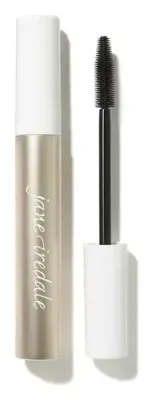
Eye Shadows, Liners, Mascara & Brow Makeup (1)
Common questions
What is trideceth-6 phosphate in skincare?
It is an ethoxylated surfactant used to help blend or disperse ingredients in a formula. The number in its name refers to the average ethoxylation level used in its description.
What does the 6 mean in trideceth-6 phosphate?
The number refers to an average number of ethylene oxide units used during manufacture, not a percentage in the finished product. A label does not give you the exact concentration.
Can trideceth-6 phosphate contain 1,4-dioxane?
1,4-dioxane can be a manufacturing impurity associated with some ethoxylated ingredients. It is not intentionally added as a cosmetic ingredient, and reputable manufacturers use purification and quality controls to limit impurities.
Is trideceth-6 phosphate a harsh ingredient?
Its name alone does not tell you how a finished product will feel. It is a formula helper, and the product's concentration and other ingredients matter.