Triethylhexanoin
What triethylhexanoin does as a lightweight emollient, how it improves slip in skincare, and what its label says about source.
Extremely safeIn 7 products we cover
We may earn a commission when you buy through links on this page. It never changes what we recommend.
Quick facts
- INCI name
- Triethylhexanoin
- CAS number
- 7360-38-5
- Origin
- Synthetic
- Chemical class
- Branched fatty acid triglyceride ester
- What it does in a formula
- emollient, skin conditioning, solvent
- Why it is in the formula
- Adds smooth emollience and helps products spread without the feel of a heavy oil.
What it is
Synthesized from glycerin and branched-chain 2-ethylhexanoic acid, triethylhexanoin is a lightweight, non-greasy emollient ester. Despite containing triethyl in its INCI designation, it is neither ethyl alcohol nor a drying solvent, delivering exceptional slip, cushion, and spreadability to facial lotions and makeup.
You may find it in moisturizers, makeup, and other products where slip is useful. It is generally manufactured from chemical feedstocks, and the ingredient name does not reveal the source of every starting material. Like other emollients, it is a supporting ingredient, not the reason to buy a product.
What it does
- Softens skin. It helps smooth the skin surface and reduce a rough or dry feel.
- Adds slip. It can help a cream or makeup spread evenly without feeling like a heavy oil.
- Carries oil-soluble ingredients. Its solvent role can help incorporate some materials into the oil phase.
- Balances a formula. It may be blended with other emollients to tune the finish and spread.
Who it suits
Triethylhexanoin can fit products for many skin types because it is used in a wide range of textures. Someone with dry skin may like an emollient blend, while someone with oily skin may prefer a lighter product. The overall formula and amount used determine whether the finish feels comfortable.
Do not rely on old comedogenicity scores to predict how a product will affect pores. Those ingredient-by-ingredient ratings do not capture the complete formula or individual differences. If you are sensitive, patch-test a new product and stop using it if it causes persistent discomfort. A dermatologist can help assess recurring reactions or concerns.
What to pair it with, and what not to
Triethylhexanoin is already part of the product’s emollient blend. It can be combined in a moisturizer with humectants such as glycerin or hyaluronic acid. You do not need to add another oil unless you enjoy the feel and your routine calls for it.
Skin Realist check: A conditioner-like finish is a useful detail, not an invitation to add five more layers.
Quick picks with Triethylhexanoin
Scent-free, no patch-test flags on the label
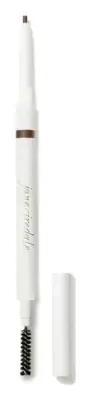
Jane Iredale PureBrow Precision Pencil
scent-free label
AmazonBrand lists it for oily skin
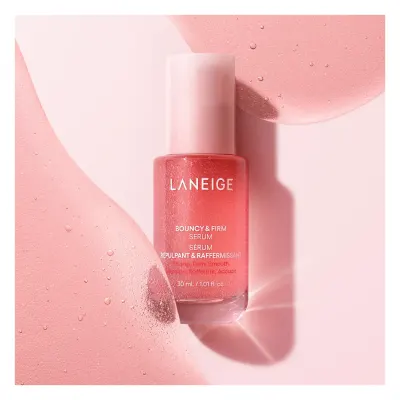
Laneige Bouncy & Firm Serum
Niacinamide, soluble collagen, peptide complex, beta-glucan · normal, dry, combination, oily skin · scented
AmazonBrand lists it for dry skin
Dermalogica phyto nature lifting eye cream
Peptides, Astragalus, Electric Daisy Flower, CoQ10 · dry skin · scented
Amazon

All 7 products with Triethylhexanoin
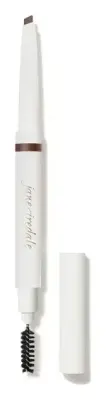
Eye Shadows, Liners, Mascara & Brow Makeup (2)
Daily Moisturizers & Water Gel Creams (1)

Hydrating Serums, Essences & Ampoules (1)
Eye Creams & Under-Eye Patches (1)
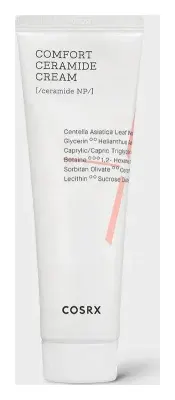
Skin Barrier Repair Creams & Recovery Jars (1)
Sheet, Hydrogel & Clay Masks (1)

Common questions
What does triethylhexanoin do in skincare?
It is an emollient ester that helps soften skin and gives products a smooth slip. It can also help carry oil-soluble ingredients.
Is triethylhexanoin the same as an oil?
It is an ester with an oil-like emollient role, not a conventional plant seed oil. Its texture can feel lighter than some traditional oils.
Is triethylhexanoin good for oily skin?
Some people with oily skin like the smooth, lighter feel of products containing it. How a product wears depends on the entire formula and your preferences.
Is triethylhexanoin comedogenic?
There is no reliable ingredient-only score that predicts clogged pores from a finished product. Consider the whole formula and how it works for your skin.