Triticum Vulgare (Wheat) Germ Oil
What wheat germ oil does as a rich emollient, its linoleic-acid-rich profile, and what people with wheat allergy should know.
Probably fineIn 11 products we cover
We may earn a commission when you buy through links on this page. It never changes what we recommend.
Quick facts
- INCI name
- Triticum Vulgare Germ Oil
- Origin
- Plant-derived
- Chemical class
- Plant oil (triglycerides)
- What it does in a formula
- emollient, skin conditioning, antioxidant
- Why it is in the formula
- Added as a rich plant oil to soften skin and condition a formula.
What it is
Cold-pressed from the nutrient-dense germ embryo of the wheat kernel (Triticum vulgare), wheat germ oil is an unrefined plant oil exceptionally rich in linoleic and oleic fatty acids. It naturally contains significant concentrations of vitamin E tocopherols, making it a deeply conditioning, restorative emollient for dry skin formulas.
This profile contributes to its use as a rich emollient in creams, oils, and other personal-care products. The exact fatty-acid balance can vary with the crop and processing. Like other oils with unsaturated fats, it can oxidize when exposed to oxygen, heat, or light. The label does not tell you how fresh the oil is or establish one universal shelf life, so follow storage directions and discontinue use if the product changes noticeably.
What it does
- Softens skin. Its oil phase can leave the surface feeling more supple.
- Adds a rich, cushioned texture. Wheat germ oil may make a cream or balm feel more emollient.
- Conditions a formula. It supplies fatty acids and naturally occurring antioxidant compounds, though the finished product’s performance depends on the full formula.
- Helps reduce moisture loss. Oils can add an emollient layer that slows water loss from the surface.
Who it suits
If you like richer oils, wheat germ oil may be one of several emollients in a product that feels comfortable. If heavy textures feel greasy or uncomfortable, a lighter moisturizer may suit you better. Ingredient-level comedogenicity ratings are not reliable predictors, so judge the finished formula rather than treating any score as a rule.
Wheat is a common food allergen. Refined oils may carry little residual protein, but processing varies and you should never assume a cosmetic ingredient is allergen-free. If you have a wheat allergy, talk with your doctor before using a product containing wheat germ oil. Patch-test new products when appropriate and stop using any formula that causes persistent irritation.
What to pair it with, and what not to
Wheat germ oil can be used in a moisturizer or layered with a water-based hydrator, according to the product directions. It can pair with humectants such as glycerin to give a routine both water-binding and emollient steps. You do not need a separate face oil if your moisturizer already feels good.
Skin Realist check: A rich oil can feel lovely, and you are still allowed to prefer a lighter moisturizer.
Quick picks with Triticum Vulgare (Wheat) Germ Oil
Scent-free, no patch-test flags on the label
Elemis Pro-Collagen Future Restore Eye Serum
Glycerin, shea butter, collagen amino acids, marine algae extracts, and Lactobacillus ferment · scent-free label
AmazonBrand lists it for oily skin
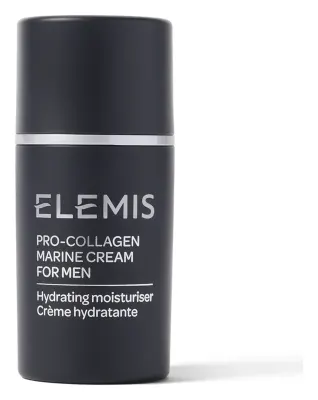
Elemis Pro-Collagen Marine Cream for Men
Padina pavonica, ginkgo biloba, and wheat germ oil · combination, dry, normal, oily skin · scented
AmazonBrand lists it for dry skin
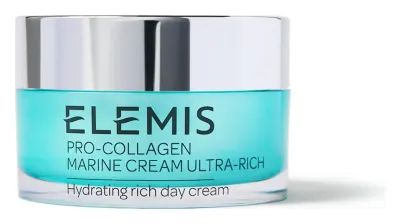
Elemis Pro-Collagen Marine Cream Ultra-Rich
Padina pavonica, Chlorella vulgaris, Ginkgo biloba, cocoa seed butter, and collagen amino acids · dry skin · scented
Amazon

All 11 products with Triticum Vulgare (Wheat) Germ Oil
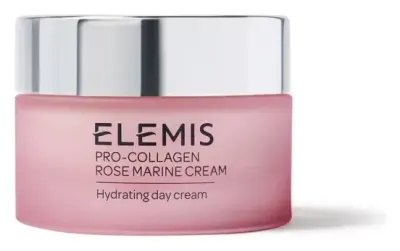
Daily Moisturizers & Water Gel Creams (5)


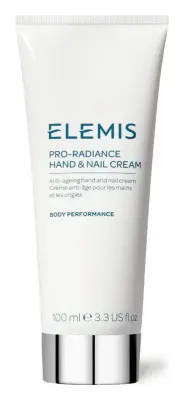
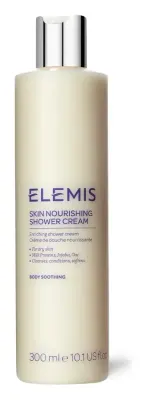
Body Creams, Butters & Body Oils (3)

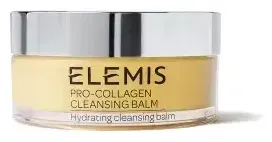
Premium Double-Cleansing Balms & Melting Gels (1)
Eye Creams & Under-Eye Patches (1)
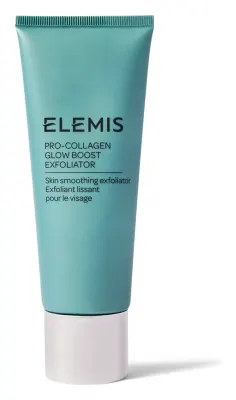
Physical & Enzyme Face Exfoliants (1)
Common questions
What is wheat germ oil in skincare?
It is a plant oil from the germ, or embryo, of the wheat kernel. In cosmetics it is used mainly as an emollient and skin-conditioning ingredient.
Is wheat germ oil good for dry skin?
Its richer oil texture may feel comfortable on dry skin, but the right texture is personal. The complete formula matters more than the ingredient alone.
Can wheat germ oil cause an allergy reaction?
Wheat is a common food allergen. Refining can reduce protein in some oils, but you should not assume a cosmetic oil is allergen-free. If you have a wheat allergy, check with your doctor before use.
Does wheat germ oil oxidize?
Plant oils can oxidize with exposure to air, heat, and light. Keep products closed and follow the package's storage instructions and period-after-opening guidance.