Turmeric
What turmeric-derived ingredients do in skincare, how extracts vary, and what to know about color and sensitive skin.
Extremely safeIn 9 products we cover
We may earn a commission when you buy through links on this page. It never changes what we recommend.
What it is
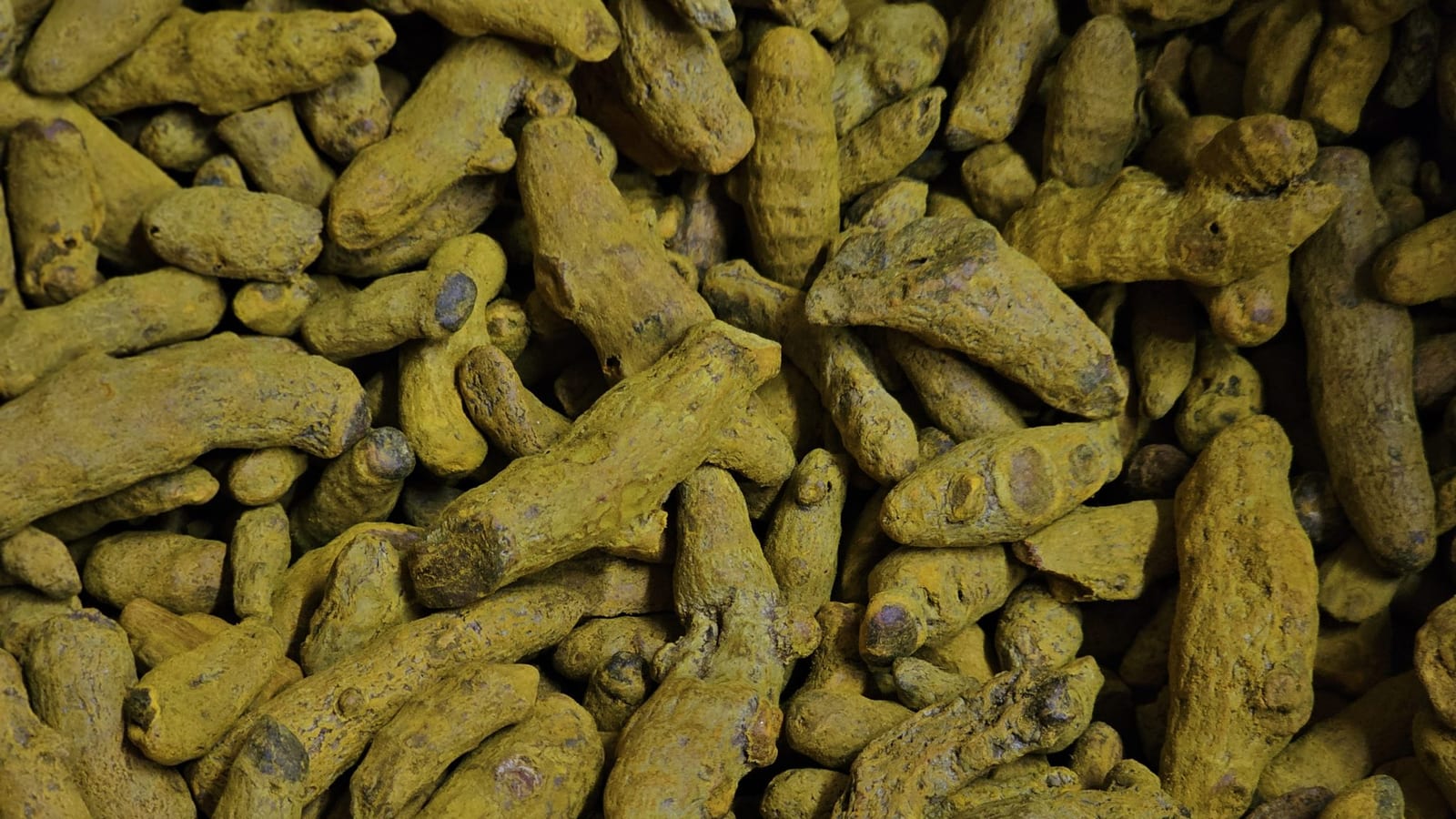
Turmeric comes from the rhizome of Curcuma Longa, a plant related to ginger. Ingredient lists may use names such as Curcuma Longa Root Extract, Curcuma Longa Root Oil or a related turmeric-derived material. Those forms are not interchangeable, and extracts can differ according to plant part, processing and formulation. Products may include turmeric in masks, creams, cleansers or other cosmetics. The ingredient list does not tell you the amount, so turmeric-containing products can vary substantially in composition and color.
What it does
- Conditions skin. Turmeric-derived materials may be included to help a product leave skin feeling cared for and comfortable.
- Contributes antioxidant properties. Certain plant constituents are studied for antioxidant activity, but the effect in a finished cosmetic depends on its formulation and stability.
- Adds color or a botanical identity. Turmeric can affect a product’s appearance, though the intensity depends on the material and concentration.
Who it suits
You might choose turmeric if you enjoy botanical formulas or are curious about a product that includes it. It is optional, and it does not make a product automatically more effective than a comparable formula without turmeric. The exact extract and its amount vary between products, as does the chance of noticeable yellow color transfer. If you have reactive skin, patch-test the finished product rather than assuming a familiar kitchen spice will behave gently on your face. Check for fragrance and other botanicals too. If a product stings, causes a rash or leaves lasting irritation, stop using it. For persistent skin concerns, a dermatologist is a better source of guidance than a turmeric label.
What to pair it with, and what not to
Turmeric products can generally sit alongside basic moisturizers with glycerin or ceramides, but no particular pairing is necessary. If you use retinol or exfoliating acids, introduce the turmeric formula at a different time so you can identify which product causes a reaction. Do not layer more actives in the hope of amplifying a botanical extract. Follow the product’s instructions, and be mindful that colored formulas may transfer to towels or light fabrics. Keep your usual sunscreen step in the daytime routine as directed.
Skin Realist check: A bright yellow ingredient can make a product look busy before it does anything for your routine. The label is a clue, not a reason to buy the whole jar.
How it appears on labels: Curcuma Longa (Turmeric) Root Extract; Curcuma Longa (Turmeric) Leaf Extract
Quick picks with Turmeric
Scent-free, no patch-test flags on the label
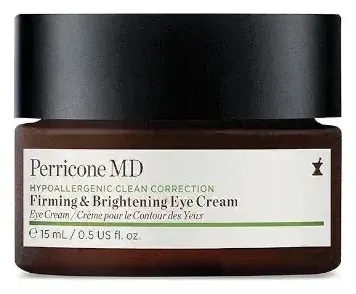
Perricone MD Hypoallergenic Clean Correction Firming & Brightening Eye Cream
Peptides, squalane and chaga mushroom extract · scent-free label
AmazonBrand lists it for sensitive skin
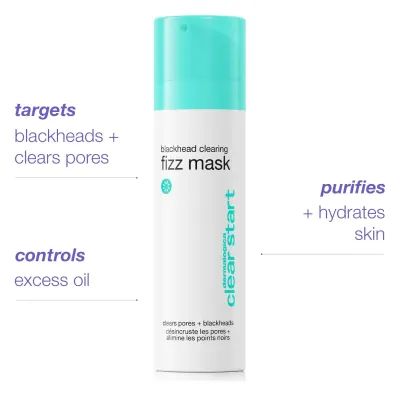
Dermalogica blackhead clearing fizz mask
Sulfur 3.0%; kaolin clay · oily, dry, combination, sensitive, normal skin · scented
AmazonBrand lists it for oily skin
Dermalogica powerbright dark spot peel
Glycolic acid, mandelic acid, niacinamide, tranexamic acid, omega-3 algae blend and turmeric butter blend · oily, dry, combination, sensitive, normal skin · scented
Amazon

All 9 products with Turmeric
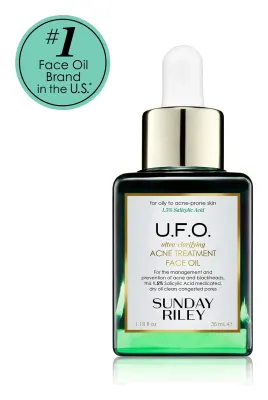
Face Oils & Treatment Oils (2)
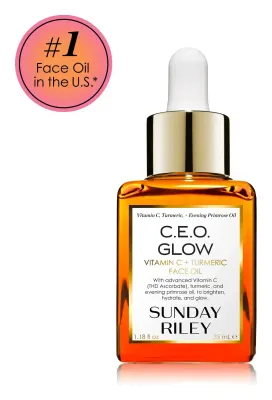
Daily Moisturizers & Water Gel Creams (2)
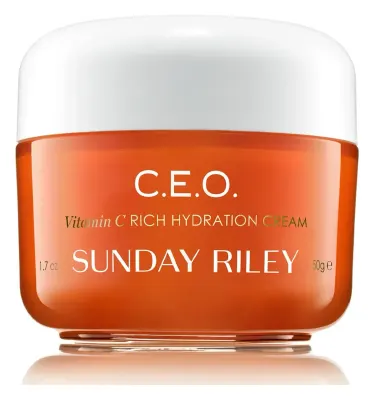

Sheet, Hydrogel & Clay Masks (1)
Anti-Aging & Retinoid Serums (1)
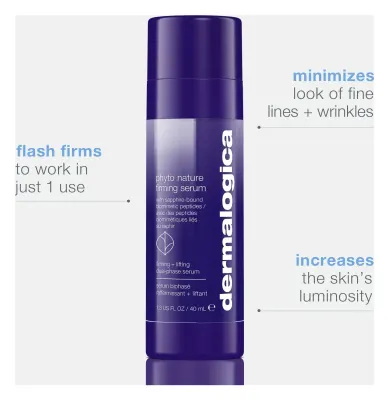
Targeted Vitamin C & Brightening Correctors (1)
Eye Creams & Under-Eye Patches (1)
Premium Double-Cleansing Balms & Melting Gels (1)
Common questions
What is turmeric in skincare?
Turmeric is a plant in the ginger family, commonly identified as Curcuma Longa. Cosmetic products may use root extracts, oils or isolated constituents. These forms and their amounts vary between products, so turmeric on the label is not a precise description of concentration.
What does turmeric do for skin?
Turmeric-derived ingredients are used for skin-conditioning and antioxidant properties in some cosmetic formulas. What a product does depends on the material, its amount and the rest of its formulation. It should not be treated as a medicine for a skin condition.
Can turmeric stain skin?
Some turmeric-containing preparations have a strong yellow color and may temporarily transfer color to skin, nails, fabrics or towels. Cosmetic formulas vary, and not every product will visibly stain. Follow the directions and test a small area if color transfer would be a concern.
Is turmeric suitable for sensitive skin?
Some people may tolerate a turmeric product, while others can react to the extract or another ingredient in the formula. Botanical origin does not guarantee that a product will be gentle. Patch-test a new product and stop use if irritation occurs.