Zinc PCA
What Zinc PCA does in skincare, how it fits oily and combination routines, and which ingredients work alongside it.
Extremely safeIn 9 products we cover
We may earn a commission when you buy through links on this page. It never changes what we recommend.
What it is
Zinc PCA combines zinc with PCA, a component related to the skin’s natural moisturizing factor. It appears in cosmetics, including serums and moisturizers marketed for oily or combination skin. It is not the same as zinc oxide, which is used as a mineral sunscreen filter.
Because Zinc PCA often appears in products aimed at visible oiliness, marketing can make it sound like a fix for every shiny or blemish-prone complexion. In practice, a product’s full formula and your overall routine matter. It is a cosmetic ingredient, not a treatment for a medical skin condition.
What it does
- Conditions the skin. Zinc PCA is used to support a comfortable skin feel in cosmetic formulas.
- May help reduce the look of shine. Some products include it for oily skin routines, though results and product performance vary.
- Fits into straightforward routines. It can be part of a serum or moisturizer without requiring a special schedule or complicated companion products.
Who it suits
If you have oily or combination skin and are curious about products that target visible shine, Zinc PCA may be an ingredient to look for. It can fit other skin types depending on the formula. Do not expect one ingredient to make oil disappear, and do not punish your skin with repeated cleansing or too many drying steps. Skin still needs moisturizer, including when it gets shiny.
The glossary rating is favorable, but that is not a personal guarantee about every product. Other ingredients in the bottle can affect comfort. Patch-test if your skin is reactive, and adjust use if a product leaves it feeling tight or uncomfortable. For ongoing blemishes or irritation, a dermatologist can offer options beyond cosmetic ingredient shopping.
What to pair it with, and what not to
Zinc PCA can be paired with niacinamide and a non-stripping cleanser or moisturizer. It may appear alongside exfoliating ingredients, but adding several new actives at once makes it hard to tell what is working or causing irritation. Do not confuse it with zinc oxide or use it as a sunscreen substitute. Use sunscreen as directed during the day.
Skin Realist check: Shine is not a character flaw, and no serum needs to make you feel like your face is a problem to solve.
Quick picks with Zinc PCA
Scent-free, no patch-test flags on the label
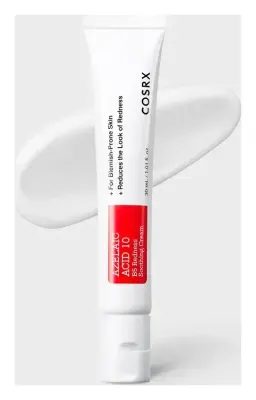
COSRX Azelaic Acid 10 B5 Redness Soothing Cream
Azelaic Acid 10% · scent-free label
AmazonBrand lists it for oily skin
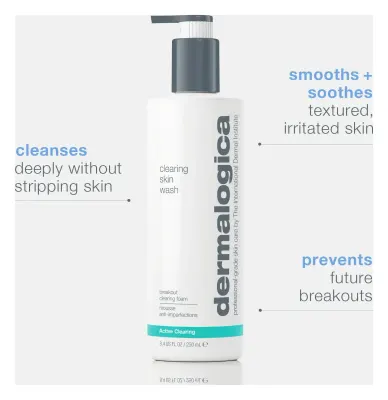
Dermalogica acne clearing skin wash
Salicylic acid, niacinamide, menthol, camphor, and eucalyptus extract · normal, combination, oily skin · scent-free label
AmazonFeatured in our guides
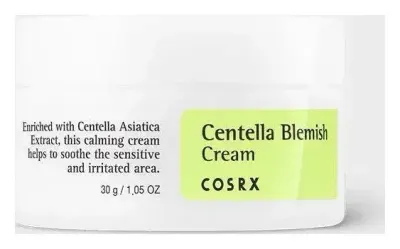
COSRX Centella Blemish Cream
Centella Asiatica · scent-free label
Amazon
All 9 products with Zinc PCA
Pimple Patches & Overnight Spot Treatments (2)
Skin Barrier Repair Creams & Recovery Jars (1)
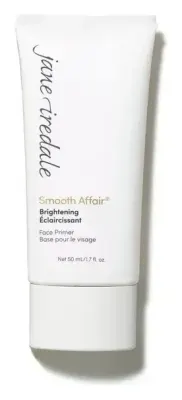
Mineral Pressed Powders & Skin-Nourishing Primers (1)
Gel, Foam & Cream Facial Cleansers (1)
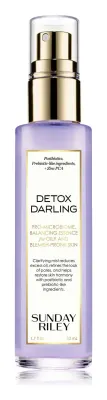
Hydrating Toners, Essence Waters & Face Mists (1)
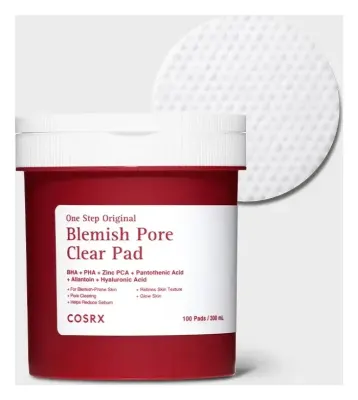
Dermatological Acne & Chemical Exfoliating Liquids (1)
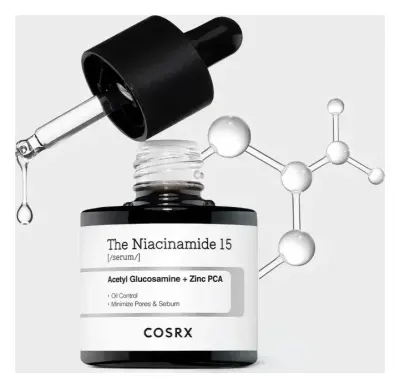
Hydrating Serums, Essences & Ampoules (1)
Daily Moisturizers & Water Gel Creams (1)
Common questions
What does Zinc PCA do for skin?
Zinc PCA is used in skincare as a skin-conditioning ingredient and is often included in products aimed at oily or blemish-prone skin. It may help skin look less shiny, but results depend on the whole formula.
Is Zinc PCA the same as zinc oxide?
No. Zinc PCA is different from zinc oxide. Zinc oxide is a mineral UV filter in some sunscreens, while Zinc PCA is used in other types of skincare formulas.
Can you use Zinc PCA with niacinamide?
Yes, they can be used in the same routine and are sometimes included together in products for oily or combination skin. Introduce new products gradually if you are prone to irritation.
Does Zinc PCA dry out skin?
Zinc PCA is generally used as a skin-conditioning ingredient, but a finished formula may feel drying to some people. If that happens, use it less often or choose a more moisturizing product.