Acetic Acid
What acetic acid does as a pH adjuster in skin care, why it is not a DIY treatment cue, and how to think about the finished formula.
Extremely safeIn 5 products we cover
We may earn a commission when you buy through links on this page. It never changes what we recommend.
Quick facts
- INCI name
- Acetic Acid
- CAS number
- 64-19-7
- Origin
- Biotech (fermentation) or Synthetic
- Chemical class
- Carboxylic acid
- What it does in a formula
- pH adjusting, buffering, solvent
- Why it is in the formula
- Acetic acid adjusts the pH of a formula so it meets its intended product specifications.
What it is
Also known chemically as ethanoic acid, acetic acid is a small organic acid used for technical purposes in formulated cosmetics. While it is the compound associated with household vinegar, cosmetic use is not a cue to apply kitchen vinegar or raw acid directly to skin. Formulators obtain it through fermentation or synthesis. An ingredient label lists the material but does not disclose finished product pH.
In the products covered here, acetic acid functions as a pH adjuster. A formulator can use a small amount to move a formula toward its intended pH. That is different from using it as an exfoliating active. The finished formula determines how it should be used. Never mix raw acids into a moisturizer or attempt to adjust a product’s pH at home.
What it does
- Adjusts pH. Acetic acid can lower pH when a formula needs to be more acidic.
- Supports formula consistency. pH affects how some ingredients perform, so adjusting it can help meet product specifications.
- Acts as a formulation aid. It is usually present for the product’s chemistry, not to give your skin a vinegar-like treatment.
- Works in small amounts. Ingredient order and label data do not reveal the precise concentration or final pH.
Who it suits
Acetic acid is not something to evaluate as a raw ingredient for your face. In a finished product, its role is to help set the formula’s pH. A pH adjuster can appear in products for many skin types, but the full formula matters. If a product irritates you, stop using it and consider all of its ingredients. People with a skin condition or repeated reactions should ask a dermatologist rather than trying to neutralize the product or make a DIY acid treatment.
What to pair it with, and what not to
There is nothing to pair with acetic acid as a separate routine step. It is already used by the manufacturer to adjust the finished formula. Do not add vinegar, baking soda or other materials to alter the product, and follow the package directions.
Skin Realist check: A familiar kitchen ingredient still deserves a little distance from DIY skincare experiments. Let the formulator handle the balance.
Quick picks with Acetic Acid
Scent-free, no patch-test flags on the label
Perricone MD Cold Plasma Plus+ Advanced Hydrating Complex
Niacinamide, squalane, beet root extract, sodium hyaluronate and peptide complexes · scent-free label
Amazon

All 5 products with Acetic Acid
Daily Moisturizers & Water Gel Creams (2)

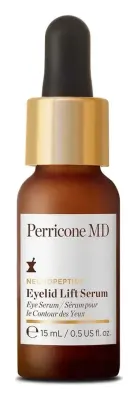
Eye Creams & Under-Eye Patches (2)

Gel, Foam & Cream Facial Cleansers (1)

Common questions
What does acetic acid do in skincare?
It is primarily used as a pH adjuster in a finished cosmetic formula. The amount and pH are not shown by the ingredient list.
Is acetic acid the same as vinegar?
Acetic acid is the acid associated with vinegar, but household vinegar is a diluted mixture. A cosmetic ingredient is selected and used under formulation controls.
Can I use acetic acid as a home exfoliant?
No. Do not use raw acids or household vinegar as a DIY skin treatment. A finished product is formulated for its intended use, while an improvised mixture can irritate or injure skin.
What should I pair with acetic acid?
Nothing. It is a pH adjuster built into a finished formula, not a stand-alone skincare step that needs a partner.