Acetyl Glucosamine
What acetyl glucosamine does in skincare, how it helps formulas hydrate, and what research says about its potential tone benefits.
Extremely safeIn 12 products we cover
We may earn a commission when you buy through links on this page. It never changes what we recommend.
Quick facts
- INCI name
- Acetyl Glucosamine
- CAS number
- 7512-17-6
- Origin
- Synthetic or Biotech (fermentation)
- Chemical class
- Amino sugar derivative
- What it does in a formula
- humectant, skin conditioning, smoothing
- Why it is in the formula
- Acts as a water-binding skin conditioner and may support the look of uneven tone in some formulas.
What it is
Used in serums and moisturizers as a humectant and skin-conditioning ingredient, acetyl glucosamine is an amino sugar derivative also called N-acetylglucosamine. Although chemically related to glucosamine, it is a distinct cosmetic ingredient. Manufacturers produce it through synthesis or fermentation, though product labels do not identify the specific supply source.
Researchers have also studied acetyl glucosamine for the look of uneven tone, particularly in combination with niacinamide. That evidence is narrower than the broad claims sometimes made for brightening ingredients. A product’s ingredient list does not disclose its concentration, and an ingredient’s presence alone cannot establish the result you will see.
What it does
- Helps bind water. As a humectant, it can support a hydrated feel in a water-based formula.
- Conditions the skin. It contributes to the smooth, comfortable finish of a product.
- Is studied for uneven tone. Research, including combination research with niacinamide, suggests it may help the look of uneven pigmentation over time.
- Plays a supporting role. It is often one part of a broader formula rather than the sole reason a product works.
Who it suits
Acetyl glucosamine may appeal if you want a lightweight hydrator or a product aimed at the appearance of uneven tone. Its humectant role can fit different skin types, depending on the base formula. If you have dry skin, you may prefer a moisturizer that pairs water-binding ingredients with emollients. Oily skin may prefer a lighter serum or gel.
The evidence for tone benefits is limited compared with larger bodies of research for some other ingredients. Think of it as a possible supporting benefit, not a guaranteed fade for dark spots. Anyone can react to a cosmetic, so patch-test a new product if your skin is reactive. Stop using it if you develop irritation, and ask a dermatologist about persistent pigmentation or other skin concerns.
What to pair it with, and what not to
Acetyl glucosamine can be used alongside niacinamide in a well-formulated product or routine. It also fits with humectants such as glycerin and moisturizers that help limit water loss. Introduce new products gradually, and use sunscreen during the day when working on the look of uneven tone.
Skin Realist check: A supporting ingredient can be useful without being a plot twist. Let the formula do the talking over time.
Quick picks with Acetyl Glucosamine
Scent-free, no patch-test flags on the label
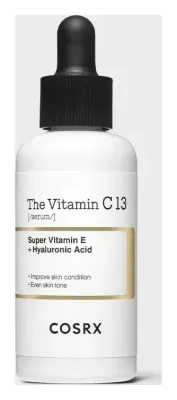
COSRX The Vitamin C 13 Serum
Ascorbic Acid (Vitamin C) 13% · scent-free label
AmazonFeatured in our guides
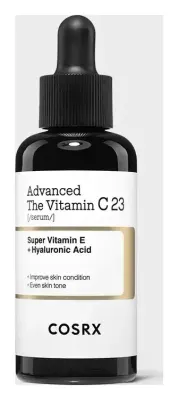
COSRX Advanced The Vitamin C 23 Serum
Ascorbic Acid (Vitamin C) 23% · scent-free label
Amazon
All 12 products with Acetyl Glucosamine
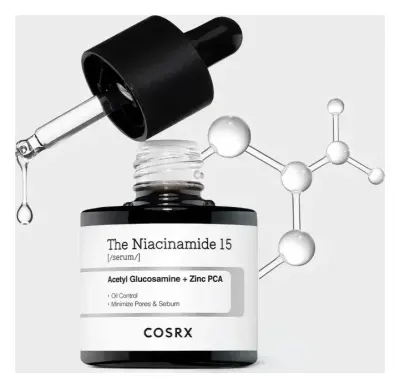
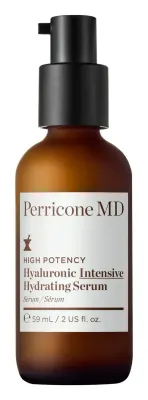
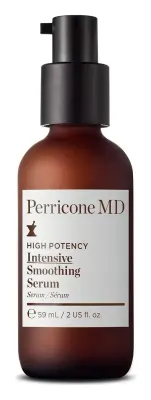
Hydrating Serums, Essences & Ampoules (4)

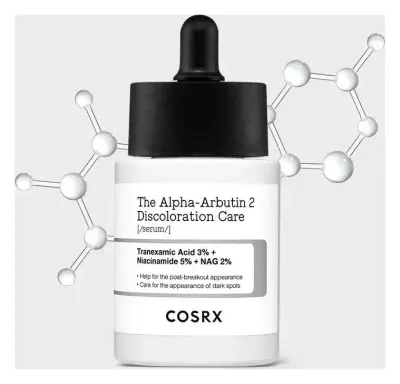
Targeted Vitamin C & Brightening Correctors (3)
Sheet, Hydrogel & Clay Masks (2)


Premium Overnight Recovery Packs & Sleeping Facials (1)

Gel, Foam & Cream Facial Cleansers (1)

Daily Moisturizers & Water Gel Creams (1)

Common questions
What does acetyl glucosamine do for skin?
It can act as a humectant and skin conditioner, helping a formula support a hydrated, smooth feel. It is also studied for the appearance of uneven tone, often alongside niacinamide.
Is acetyl glucosamine the same as glucosamine?
It is a related but distinct molecule, also called N-acetylglucosamine. The name should not be confused with the supplement ingredient's uses or evidence.
Can you use acetyl glucosamine with niacinamide?
Yes, the two are used together in skincare and have been studied in combination for the look of uneven tone. The overall formula and regular use matter more than expecting an immediate change.
Is acetyl glucosamine natural?
It is related to sugars found in biological systems and can be made through different production routes. The ingredient label does not say whether a supply came from fermentation or synthesis.