Alanine
What alanine does as a water-binding amino acid in skincare, and why its appearance as an active is usually about hydration.
Extremely safeIn 8 products we cover
We may earn a commission when you buy through links on this page. It never changes what we recommend.
Quick facts
- INCI name
- Alanine
- CAS number
- 56-41-7
- Origin
- Biotech (fermentation) or Synthetic
- Chemical class
- Amino acid
- What it does in a formula
- humectant, skin conditioning
- Why it is in the formula
- It helps attract water and supports a hydrated, conditioned feel in the product.
What it is
To help bind water and condition the skin surface, formulators use alanine, a small amino acid that serves as a building block for proteins. It is also one of the water-binding compounds in the skin’s natural moisturizing factor. Manufacturers produce cosmetic alanine through fermentation or synthesis, which means the ingredient name alone does not show the source. It frequently appears in moisturizers and serums mixed with other amino acids or humectants rather than acting as a complex treatment active.
What it does
- Attracts water. Alanine can act as a humectant, helping a formula hold moisture at the skin’s surface.
- Supports conditioning. It contributes to a soft, hydrated feel when used in a finished product.
- Works as a supporting player. It is not usually a stand-alone treatment active or a reason to buy a product on its own.
Who it suits
Alanine can appear in products for different skin types because hydration is useful across the board. Whether a product feels right depends on the complete formula, including its humectants, oils, and other supporting ingredients. Do not read the word amino acid as a promise that a product will rebuild proteins or deliver a dramatic result. Its presence is more like one small part of the formula’s moisture support.
People with sensitive skin should consider the whole ingredient list and how the finished product feels, as reactions can be caused by many components. Introduce a new product sensibly and stop if persistent irritation occurs. If you have ongoing skin concerns, talk with a dermatologist rather than relying on an amino acid label claim. There is no need to add a separate alanine product if your regular moisturizer already works for you.
What to pair it with, and what not to
Alanine can sit alongside other humectants such as glycerin and sodium PCA, with a moisturizer layered according to texture and directions. You do not need a special active pairing. Avoid stacking multiple products just because each one advertises amino acids.
Skin Realist check: Amino acid on the label sounds like a secret weapon. Most of the time, it is simply another member of the hydration team.
Quick picks with Alanine
Scent-free, no patch-test flags on the label
COSRX The Ceramide Skin Barrier Moisturizing Mist
scent-free label
AmazonBrand lists it for sensitive skin
Dermalogica antioxidant hydramist
Pea extract, rose extract, clove extract, and antioxidant support · dry, oily, combination, sensitive, normal skin · scented
AmazonBrand lists it for oily skin
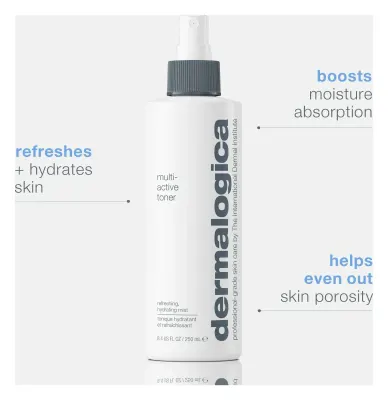
Dermalogica multi-active toner
Moisture-binding humectants, arnica, balm mint, and lavender · oily, dry, combination, sensitive, normal skin · scented
Amazon


All 8 products with Alanine
Hydrating Toners, Essence Waters & Face Mists (3)
Hydrating Serums, Essences & Ampoules (3)



Gel, Foam & Cream Facial Cleansers (1)

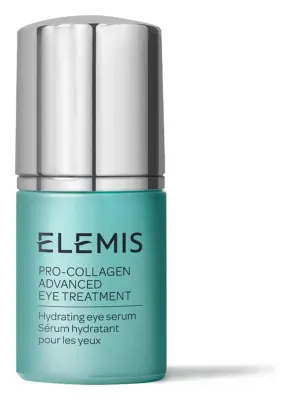
Eye Creams & Under-Eye Patches (1)
Common questions
What does alanine do in skincare?
Alanine is an amino acid used as a humectant and skin-conditioning ingredient. It can help a formula attract water and leave a hydrated feel.
Is alanine naturally found in skin?
Alanine is one of the amino acids found in the body and is also part of the skin's natural moisturizing factor. Cosmetic alanine may be made through fermentation or chemical synthesis.
Is alanine an exfoliating acid?
No. Despite the word acid in amino-acid, alanine is not used like an exfoliating acid. Its cosmetic role is generally water binding and conditioning.
Do I need a separate alanine serum?
Usually not. Alanine is a supporting humectant that may be included in a moisturizer or serum, and a basic product that keeps your skin comfortable may be enough.