Sodium PCA
What sodium PCA does as a water-binding humectant, why it appears in moisturizers, and how to layer it with other hydrators.
Extremely safeIn 22 products we cover
We may earn a commission when you buy through links on this page. It never changes what we recommend.
Quick facts
- INCI name
- Sodium PCA
- CAS number
- 54571-67-4
- Origin
- Synthetic
- Chemical class
- Pyrrolidone carboxylate salt (amino-acid derivative)
- What it does in a formula
- humectant, skin conditioning
- Why it is in the formula
- It attracts and holds water in the product and on the skin's surface to support a hydrated feel.
What it is
Present naturally as an essential water-binding component of the skin’s natural moisturizing factor, sodium PCA is the sodium salt of pyrrolidone carboxylic acid. Sourced through chemical synthesis or fermentation, it appears in moisturizers, serums, and toners. While sometimes grouped with active ingredients, its everyday cosmetic role is chiefly to help the formula and the outer skin layer retain hydration.
What it does
- Attracts water. As a humectant, sodium PCA helps draw moisture into the outer layers of a formula and the skin’s surface.
- Supports a hydrated feel. It can help reduce the dry or tight feeling associated with moisture loss when used in a well-designed moisturizer.
- Works in a blend. It is often combined with other humectants and emollients. It is a supporting ingredient, not the reason to buy a product.
Who it suits
Sodium PCA can fit into routines for dry, normal, combination, or oily skin because hydration is useful across skin types. The way it feels depends on the concentration and the rest of the formula. A watery serum may feel different from a cream that contains the same humectant. It is not an exfoliating acid just because its name includes acid, and it is not equivalent to an aggressive treatment active.
If you have sensitive skin, choose a finished product that agrees with you and introduce it as you would any new formula. A reaction can come from many parts of a product, including fragrance or preservatives, so the ingredient list alone cannot establish the cause. Stop using a product that causes persistent discomfort, and consult a dermatologist about ongoing skin concerns. There is no need to seek out sodium PCA if another moisturizer already keeps your skin comfortable.
What to pair it with, and what not to
Sodium PCA can be used alongside other humectants such as glycerin or hyaluronic acid, with a moisturizer layered according to texture and product directions. You do not need to stack several hydrating serums; one well-formulated moisturizer may be enough. There is no known special ingredient clash that requires avoiding it.
Skin Realist check: A humectant is a useful supporting character, not a reason to build a twelve-step routine around one serum.
Quick picks with Sodium PCA
Scent-free, no patch-test flags on the label
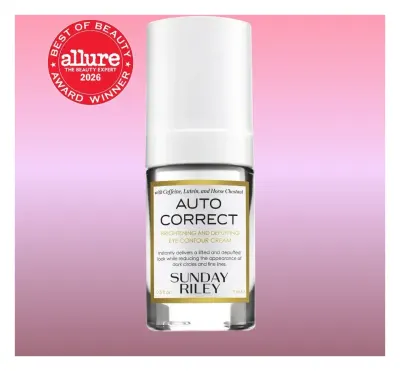
Sunday Riley Auto Correct Brightening + Depuffing Eye Cream
Caffeine · scent-free label
AmazonBrand lists it for sensitive skin
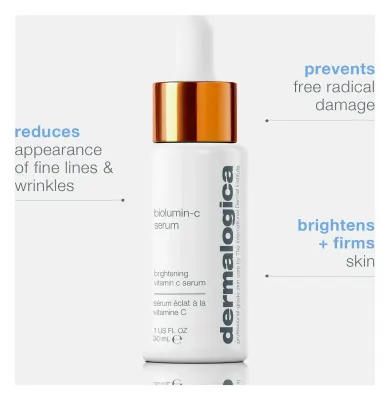
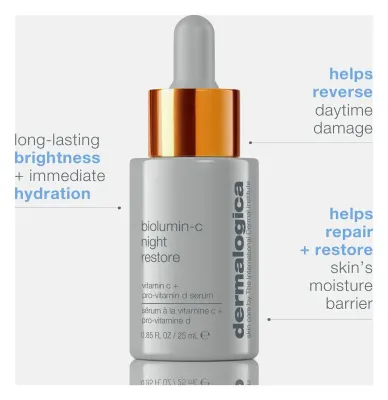
Dermalogica biolumin-c vitamin c serum
Vitamin C · oily, dry, combination, sensitive, normal skin · scented
AmazonBrand lists it for oily skin
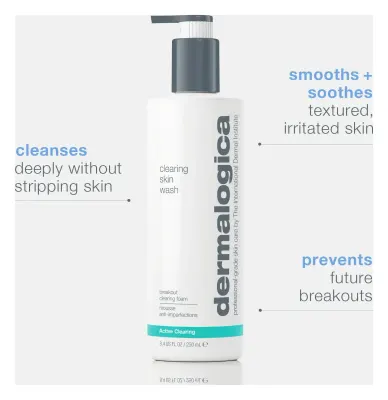
Dermalogica acne clearing skin wash
Salicylic acid, niacinamide, menthol, camphor, and eucalyptus extract · normal, combination, oily skin · scent-free label
Amazon
All 22 products with Sodium PCA
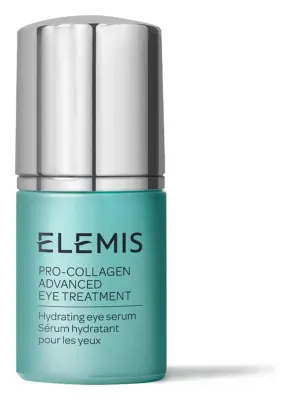
Eye Creams & Under-Eye Patches (4)


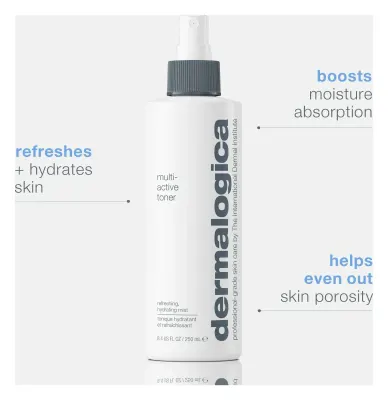
Hydrating Toners, Essence Waters & Face Mists (4)

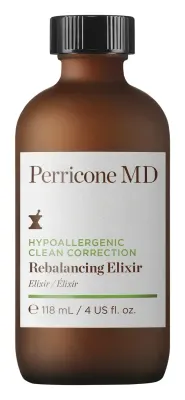

Hydrating Serums, Essences & Ampoules (3)



Targeted Vitamin C & Brightening Correctors (2)
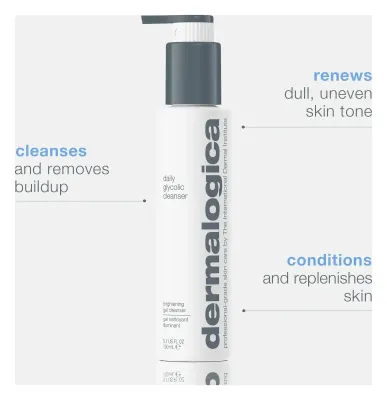
Gel, Foam & Cream Facial Cleansers (2)
Daily Moisturizers & Water Gel Creams (2)


Dermatological Acne & Chemical Exfoliating Liquids (2)
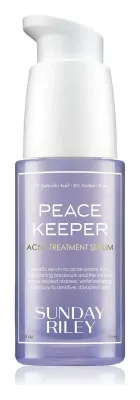

Cream & Gel Treatment Masks (1)

Daily Sunscreens & SPF Moisturizers (1)

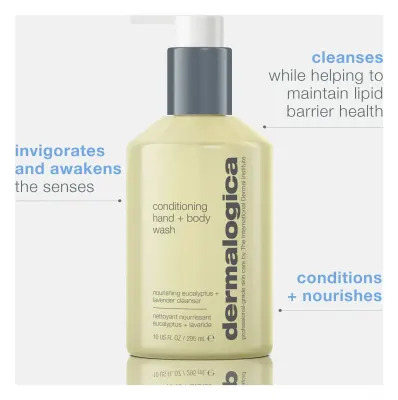
Body Creams, Butters & Body Oils (1)
Common questions
What does sodium PCA do for skin?
Sodium PCA is a humectant that helps attract and hold water. It can support a hydrated, comfortable feel as part of a moisturizer or serum.
Is sodium PCA the same as PCA?
PCA is short for pyrrolidone carboxylic acid, while sodium PCA is its sodium salt. Both may be used as water-binding ingredients, but they are distinct label names.
Is sodium PCA a strong active?
It is often marketed alongside active ingredients, but its main cosmetic job is hydration. It is not usually the reason to buy a product as a targeted treatment.
How should I use sodium PCA?
Use the finished product according to its directions. It can sit comfortably in a routine with other humectants and a moisturizer, which helps keep the overall routine from feeling incomplete or sticky.