Argan Oil
What argan oil does in skincare, how it softens dry-feeling skin, and what to consider when choosing a face oil.
Extremely safeIn 10 products we cover
We may earn a commission when you buy through links on this page. It never changes what we recommend.
What it is
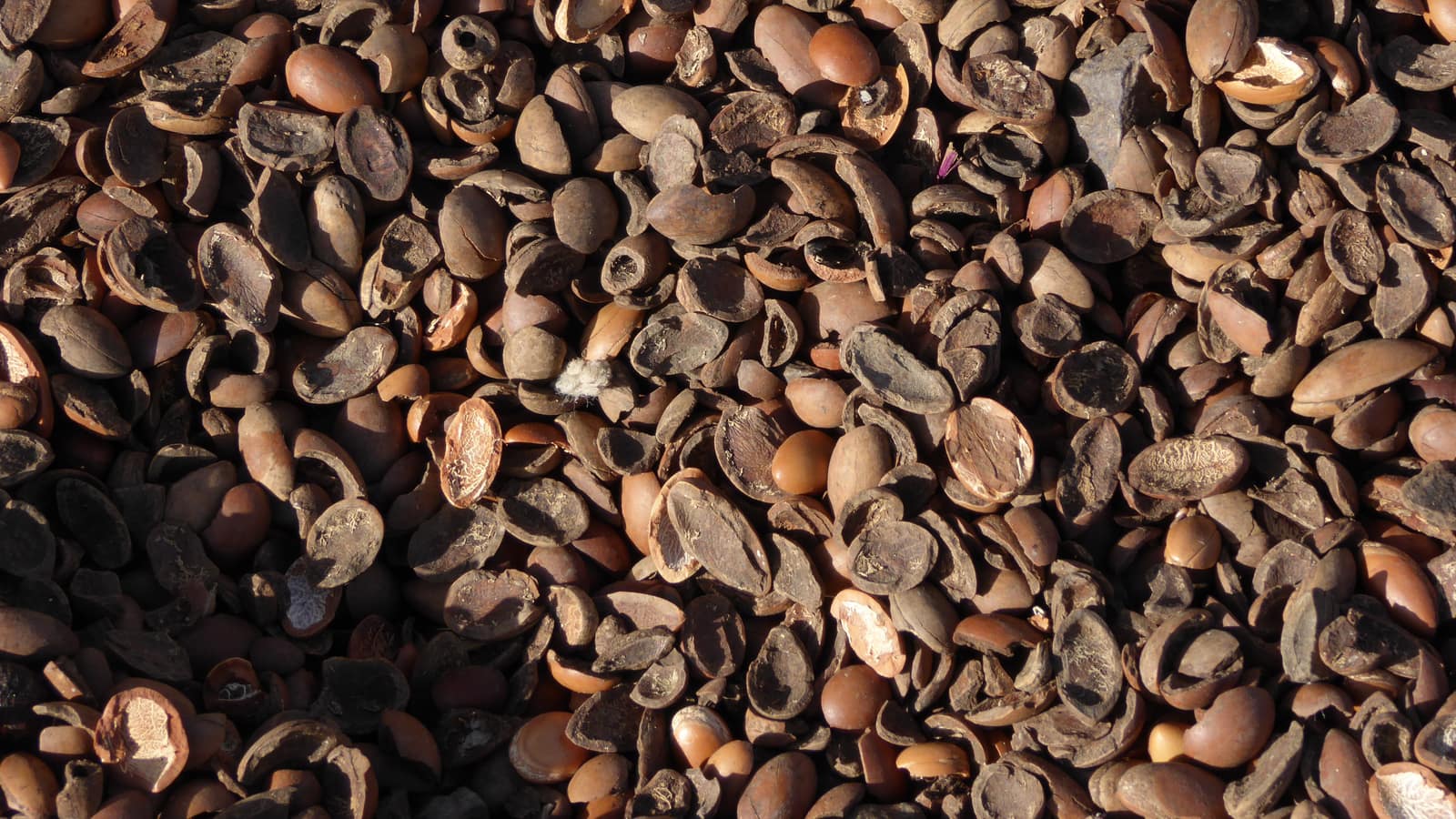
Argan oil is obtained from the kernels of the argan tree, Argania Spinosa. Its standard cosmetic ingredient name is Argania Spinosa Kernel Oil. It is used in facial oils, creams, balms and hair products, where it contributes a plant-oil texture. The oil’s color, scent and feel depend on how it is processed and on the other ingredients in the formula. A label listing argan oil does not reveal its percentage, and products that contain it can feel very different from one another.
What it does
- Softens dry-feeling skin. Argan oil is an emollient that helps make the surface feel smoother and more flexible.
- Adds richness and slip. It can make a moisturizer spread more easily and leave a conditioned finish.
- Helps reduce moisture loss. Like other oils, it can provide some occlusion when left on skin, especially as part of a cream or face oil.
Who it suits
Argan oil may suit you if you enjoy facial oils or want a richer layer over a moisturizer. It can also be a useful part of a body or hair product, though those formulas are made for different uses. If you have oily or combination skin, the finished formula and how much you apply matter more than the ingredient name alone. Some people prefer a light lotion and others like the cushion of an oil; neither choice is more virtuous. Plant oils can be unsuitable for some individuals, so review the full ingredient list and patch-test a new leave-on product if you are concerned. If irritation persists or you have a skin condition, get advice from a dermatologist instead of relying on an oil.
What to pair it with, and what not to
You can use argan oil after water-based products or over a moisturizer containing glycerin or ceramides. It can also fit into a routine with retinol or exfoliating acids; just add one new item at a time, and do not use the oil as insurance against a strong active. Follow each product’s directions, and consider using the oil only where you want extra emollience. If it leaves a finish you dislike, switch to a lighter moisturizer. Apply sunscreen in the daytime as directed.
Skin Realist check: A face oil is a texture choice, not a membership card for people with good skincare habits. Pick the finish you will actually enjoy using.
Quick picks with Argan Oil
Scent-free, no patch-test flags on the label
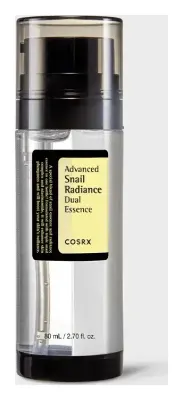
COSRX Advanced Snail Radiance Dual Essence
scent-free label
AmazonBrand lists it for sensitive skin
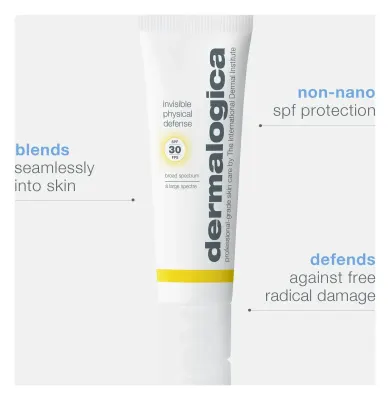
Dermalogica invisible physical defense mineral sunscreen spf30
Zinc oxide, Bio-Active Mushroom Complex, Green Tea, and Hyaluronic Acid · oily, dry, combination, sensitive, normal skin · scented
AmazonBrand lists it for oily skin
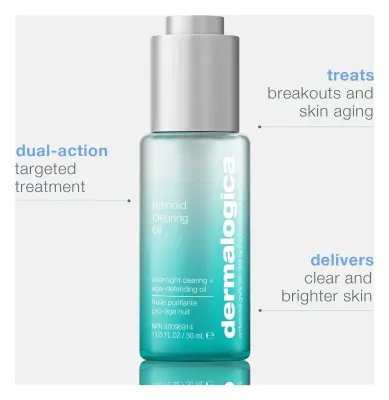
Dermalogica retinoid acne clearing oil
Salicylic acid 2.0%, retinyl propionate, jojoba seed oil, rosehip seed oil, argan oil · normal, dry, combination, oily, sensitive skin · scented
Amazon
All 10 products with Argan Oil
Daily Sunscreens & SPF Moisturizers (2)

Intensive Lip Recovery Masks & Tinted Balms (1)
Full-Coverage Camouflage & Liquid Foundations (1)
Anti-Aging & Retinoid Serums (1)
Hydrating Serums, Essences & Ampoules (1)
Body Creams, Butters & Body Oils (1)
Gel, Foam & Cream Facial Cleansers (1)
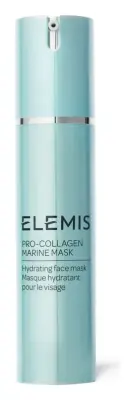
Cream & Gel Treatment Masks (1)
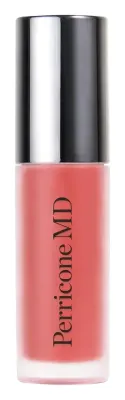
Lipsticks, Glosses & Lip Liners (1)
Common questions
What is argan oil in skincare?
Argan oil is a plant oil from the kernels of the argan tree, commonly listed as Argania Spinosa Kernel Oil. It appears in facial oils, moisturizers, hair products and body care. Cosmetic oils can vary with processing and formulation.
What does argan oil do for skin?
Argan oil acts as an emollient, helping soften skin and improve the feel of dryness. It contributes an oily, conditioning layer to a formula and can help reduce moisture loss. It is not a substitute for a complete moisturizer if your skin needs more hydration.
Is argan oil suitable for oily skin?
Some people with oily skin enjoy facial oils, while others find them too rich or shiny. The amount and the product's overall formula affect the finish. If you want to try it, start with a small amount and see whether you like how it wears.
Can argan oil be layered with retinol?
Argan oil does not have a well-established incompatibility with retinol. You can use an oil as an emollient step, but it will not prevent irritation from retinol. Introduce new products separately, follow retinol directions and use sunscreen during the day.