Arginine
What Arginine does in skincare, its usual role in cosmetic formulas, who may prefer it, and what to know before using it.
Extremely safeIn 30 products we cover
We may earn a commission when you buy through links on this page. It never changes what we recommend.
Quick facts
- INCI name
- Arginine
- CAS number
- 74-79-3
- Origin
- Biotech (fermentation) or Synthetic
- Chemical class
- Basic amino acid
- What it does in a formula
- humectant, skin conditioning, pH adjusting
- Why it is in the formula
- Usually used as a humectant or skin-conditioning amino acid, and sometimes to adjust a formula?s pH.
What it is
Arginine is a basic amino acid found naturally in proteins and among the water-binding elements of the skin’s natural moisturizing factor. Cosmetic arginine is manufactured for formulation consistency, typically through fermentation or chemical synthesis. Depending on the product, it can act as a skin-conditioning humectant or help balance formula pH.
In skincare, arginine is mainly a humectant or skin-conditioning ingredient. It may also be used as a pH adjuster because it is basic. That does not make every product containing arginine an amino-acid treatment, and the label cannot tell you which role is most important in a particular formula.
What it does
- Helps bind water. As a humectant, it can support a hydrated feel at the skin surface.
- Conditions skin. It can contribute to a smooth, comfortable finish as part of a formula.
- Can adjust pH. Its basic nature makes it useful for fine-tuning acidity in some products.
This ingredient is a supporting part of a finished formula. Its contribution can vary with product type, manufacturing, and other materials used alongside it. Ingredient lists are not concentration labels, so they cannot tell you how strong a particular effect will be.
Who it suits
Arginine can be found in serums, moisturizers, and other products for a range of skin types. It is not a strong exfoliating acid or a standalone treatment, so the words amino acid should not set expectations for dramatic results. Introduce any new formula gradually if your skin is sensitive.
The overall texture and the rest of the ingredient list matter as much as this one name. If a new product causes persistent discomfort, stop using it and ask a dermatologist for advice. Patch-testing can help you introduce unfamiliar formulas more cautiously.
What to pair it with, and what not to
It can sit alongside common hydrators such as glycerin and hyaluronic acid, as well as barrier-supporting ingredients like ceramides. No special pairing is required. If the product is intended to adjust pH, leave that formulation job to the manufacturer. There is no need to build a routine around this ingredient alone. Choose compatible textures, follow product directions, and let the complete formula do its intended job.
Skin Realist check: A name in the active section does not mean every ingredient is auditioning for the lead role.
Quick picks with Arginine
Scent-free, no patch-test flags on the label
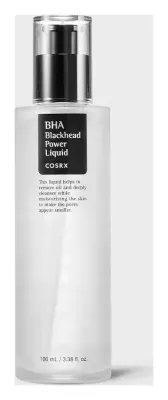
COSRX BHA Blackhead Power Liquid
Betaine Salicylate (BHA) · scent-free label
AmazonBrand lists it for sensitive skin
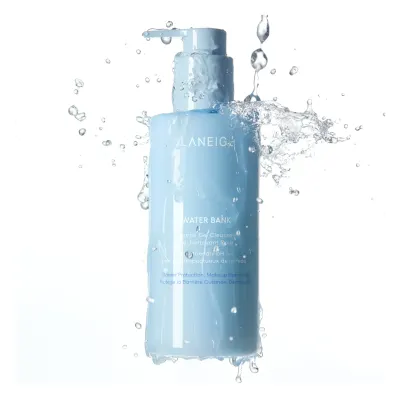
Laneige Water Bank Gentle Gel Cleanser
Blue Hyaluronic Acid, allantoin, and amino acid complex · sensitive skin · scent-free label
AmazonBrand lists it for oily skin
Dermalogica antioxidant hydramist
Pea extract, rose extract, clove extract, and antioxidant support · dry, oily, combination, sensitive, normal skin · scented
Amazon

All 30 products with Arginine
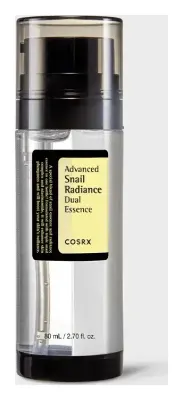
Hydrating Serums, Essences & Ampoules (6)



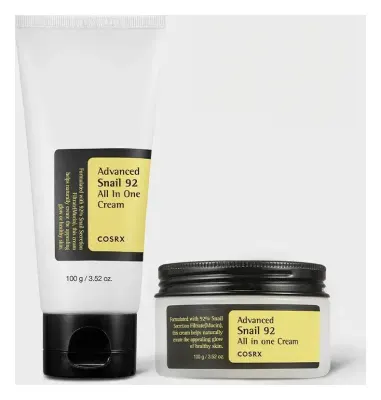
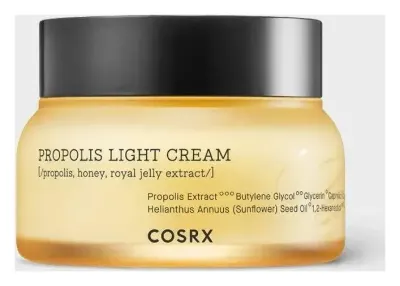
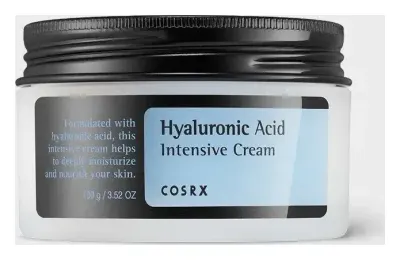
Daily Moisturizers & Water Gel Creams (5)
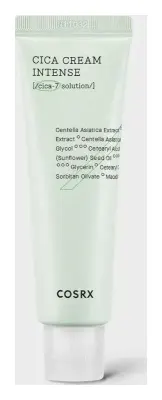
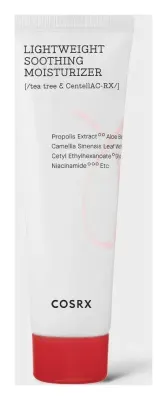
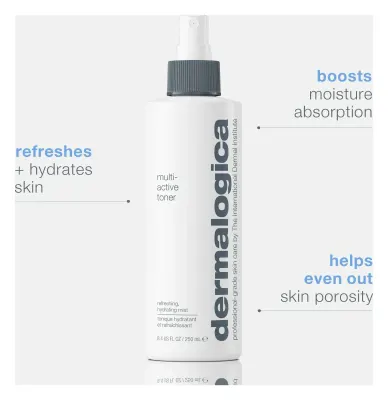
Hydrating Toners, Essence Waters & Face Mists (4)
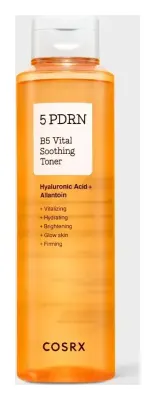

Dermatological Acne & Chemical Exfoliating Liquids (3)
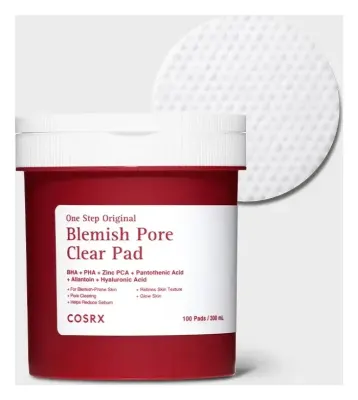
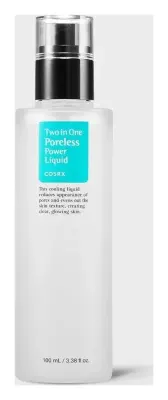
Targeted Vitamin C & Brightening Correctors (3)
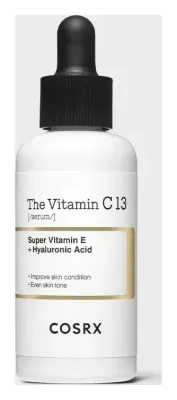
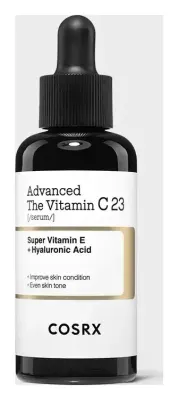
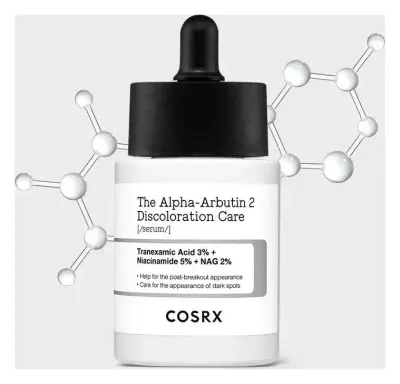
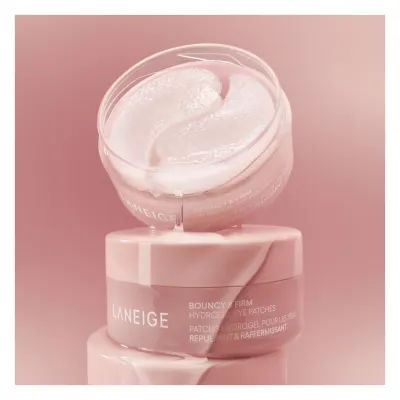
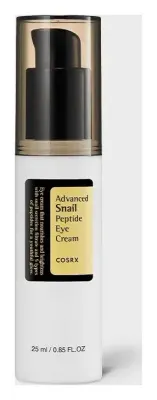
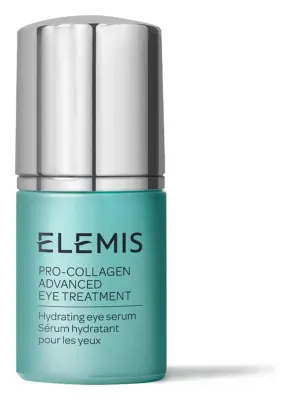
Eye Creams & Under-Eye Patches (3)
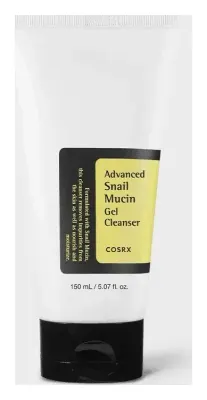
Gel, Foam & Cream Facial Cleansers (2)

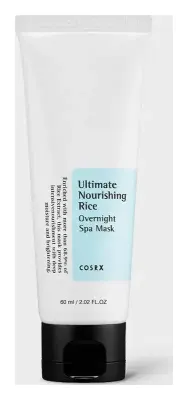
Premium Overnight Recovery Packs & Sleeping Facials (2)
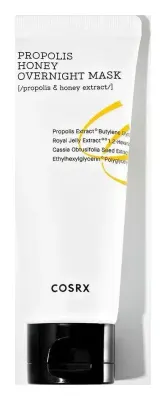
Premium Double-Cleansing Balms & Melting Gels (1)
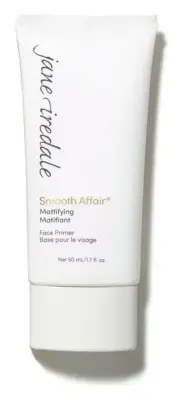
Mineral Pressed Powders & Skin-Nourishing Primers (1)
Common questions
What does arginine do in skincare?
Arginine is mainly used as a humectant and skin-conditioning amino acid. It can also help adjust a product?s pH in some formulas.
Is arginine an active ingredient?
It may appear in products marketed around skin benefits, but its routine cosmetic role is often humectant or pH adjuster. Do not assume it is present at an amount that delivers a specific effect.
Can arginine hydrate skin?
Arginine can function as a humectant, helping support water at the skin surface. The overall hydration you feel depends on the full formula.