Bakuchiol
What bakuchiol is, what it may do for the look of fine lines, who might choose it, and how it differs from retinol.
Extremely safeIn 5 products we cover
We may earn a commission when you buy through links on this page. It never changes what we recommend.
What it is
Bakuchiol is a plant-derived skincare ingredient most often associated with the babchi plant. It is commonly positioned as an option for products targeting the appearance of fine lines and uneven tone. Its popularity sometimes leads to comparisons with retinol, but bakuchiol is not a retinoid and does not share retinol’s chemical structure.
You will find it in serums, facial oils, and moisturizers, sometimes combined with other ingredients. The formula can include fragrance or botanical extracts, so read the full ingredient list if you are avoiding particular components. A plant origin does not automatically tell you how a finished product will suit your skin.
What it does
- Targets the look of fine lines. Bakuchiol is used in products intended to support smoother-looking skin over time.
- May help the look of uneven tone. It can appear in formulas designed for a more even-looking complexion, though results depend on the product and consistent use.
- Offers a different ingredient profile from retinol. Some people explore it when they want an alternative active, but it should not be assumed to produce identical effects.
- Can be included in moisturizing formulas. The accompanying oils or emollients may influence how the product feels as much as the bakuchiol does.
Who it suits
You might consider bakuchiol if you are curious about a plant-derived active for the look of fine lines or tone, or if you prefer not to start with a retinoid. Research and product evidence vary, so keep expectations measured. If your skin is sensitive, patch-test and introduce the product slowly. Stop using it if persistent irritation develops. If you are pregnant, nursing, or managing a skin condition, ask your healthcare professional about active ingredients that are appropriate for you rather than relying on marketing comparisons.
What to pair it with, and what not to
A basic moisturizer can complement a bakuchiol serum or oil, and daytime sunscreen remains a sensible routine step. It can be paired with niacinamide in many routines, but the whole formula still counts. You do not need to use bakuchiol and retinol together, and doing so may add complexity without a clear benefit. If you choose both, introduce them separately and reduce use if your skin becomes dry or uncomfortable.
Skin Realist check: Bakuchiol is not retinol wearing a botanical disguise. You can like it for what it is without asking it to win someone else's job.
Quick picks with Bakuchiol
Scent-free, no patch-test flags on the label
COSRX The Blue Peptide Bakuchiol Plump Bounce Cream
Copper Peptide + Bakuchiol · scent-free label
AmazonFeatured in our guides
COSRX The Blue Peptide Bakuchiol Plump Glow Serum
Copper Peptide + Bakuchiol · scent-free label
Amazon

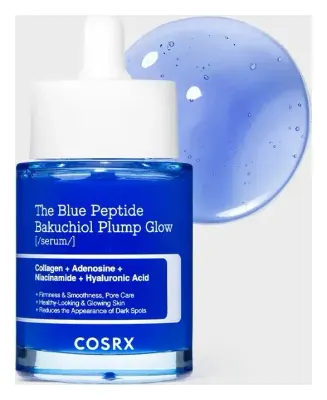
All 5 products with Bakuchiol
Anti-Aging & Retinoid Serums (1)
Daily Moisturizers & Water Gel Creams (1)
Face Oils & Treatment Oils (1)
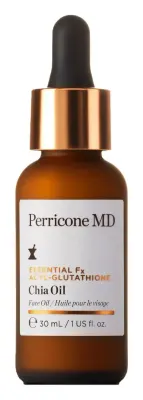
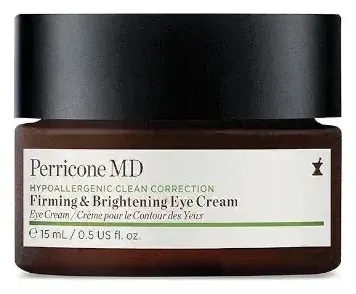
Eye Creams & Under-Eye Patches (1)
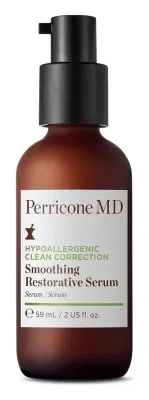
Hydrating Serums, Essences & Ampoules (1)
Common questions
What is bakuchiol in skincare?
Bakuchiol is a plant-derived ingredient used in skincare products, often marketed for the look of fine lines and uneven tone. It is not a retinoid.
Is bakuchiol the same as retinol?
No. Bakuchiol and retinol are chemically different ingredients. Some research has explored similar cosmetic goals, but they are not interchangeable and product results vary.
Can you use bakuchiol with retinol?
Some formulas combine them, but using two active products at once may not suit every routine. If using separate products, introduce one at a time and watch for dryness or irritation.
Can you use bakuchiol during the day?
Follow the directions on your product. Whatever time you apply it, use sunscreen as directed during the day, especially if your routine also includes ingredients that can make skin more sensitive.