Carthamus Tinctorius (Safflower) Seed Oil
What safflower seed oil does in skincare, how its linoleic-rich profile can vary, and what to know about freshness.
Extremely safeIn 18 products we cover
We may earn a commission when you buy through links on this page. It never changes what we recommend.
Quick facts
- INCI name
- Carthamus Tinctorius Seed Oil
- Origin
- Plant-derived
- Chemical class
- Plant oil (triglycerides)
- What it does in a formula
- emollient, skin conditioning
- Why it is in the formula
- Usually used as a lightweight plant emollient to soften skin and improve spread.
What it is
Listed on skincare decks as Carthamus Tinctorius (Safflower) Seed Oil, safflower oil is a fixed plant oil pressed from the seeds of the safflower plant. It is distinct from floral extracts and consists predominantly of triglycerides rich in linoleic acid, an omega-6 polyunsaturated fat. Because growers also produce high-oleic varieties, the exact lipid balance varies from formula to formula.
In skincare it appears in facial oils, lotions, creams, and cleansing products as an emollient. It helps soften the skin and can give a formula a relatively light, smooth spread. The label does not reveal the crop variety, how the oil was refined, or the amount in the product. Like other oils rich in unsaturated fats, it can oxidize over time, with heat, air, and light contributing to deterioration. Good packaging and proper storage can help maintain product quality, but follow the package’s use-by and storage guidance.
What it does
- Softens skin. Safflower oil is an emollient that helps smooth a dry-feeling surface.
- Adds slip. It can improve glide in a face oil or moisturizer and make a formula easier to spread.
- Provides fatty acids. Linoleic acid is common in many varieties, while high-oleic varieties have a different balance of fats.
- Helps reduce water loss. As an oil, it can add a layer that slows moisture escaping from skin when included in a leave-on product.
Who it suits
Safflower oil may suit dry or normal skin, or someone who likes a light plant-oil feel. If you prefer less residue, try a small amount before using a richer product widely. No ingredient-level comedogenic score reliably predicts how a formula will behave. People with a known sensitivity to safflower should avoid it and consult a clinician if reactions recur.
What to pair it with, and what not to
Safflower oil can sit in a moisturizer with glycerin or other humectants, or be applied after a water-based product if the directions support that order. It does not need a particular active to work. Use sunscreen as directed during the day, and keep oil-containing products away from excess heat and light. If several oils feel heavy together, simplify the routine rather than searching for a special balancing ingredient.
Skin Realist check: An oil can be a straightforward moisturizer ingredient without needing a wellness backstory.
How it appears on labels: Carthamus Tinctorius (Safflower) Seed Oil; Carthamus Tinctorius (Safflower) Seed Oil
Quick picks with Carthamus Tinctorius (Safflower) Seed Oil
Scent-free, no patch-test flags on the label
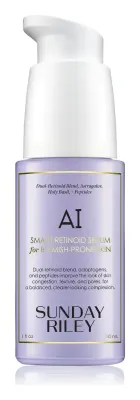
Sunday Riley A.I. Smart Retinoid Serum
Hydroxypinacolone Retinoate · scent-free label
AmazonBrand lists it for sensitive skin
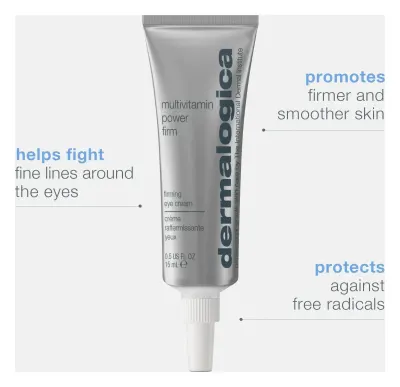
Dermalogica multivitamin power firm eye cream
Vitamins C and E and botanical extracts · oily, dry, combination, sensitive, normal skin · scented
AmazonBrand lists it for oily skin
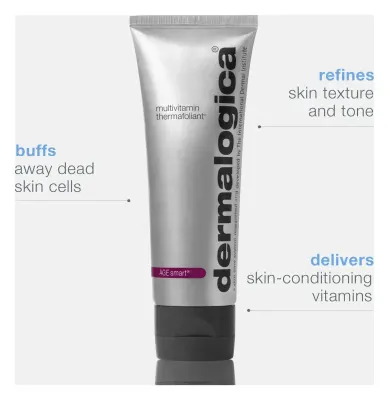
Dermalogica multivitamin thermafoliant
Lactic acid, salicylic acid, retinol, and tetrahexyldecyl ascorbate · oily, dry, combination, sensitive, normal skin · scented
Amazon
All 18 products with Carthamus Tinctorius (Safflower) Seed Oil
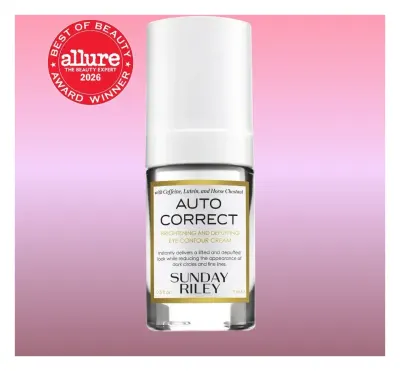
Eye Creams & Under-Eye Patches (4)


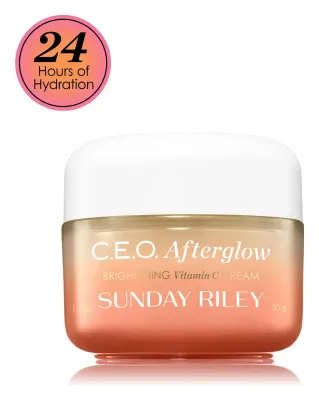
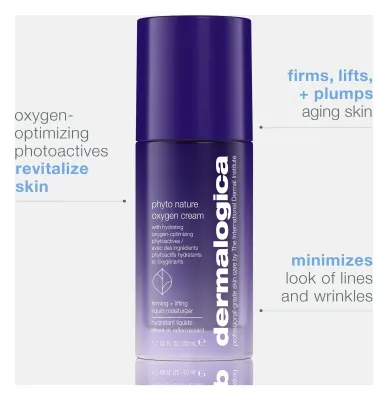
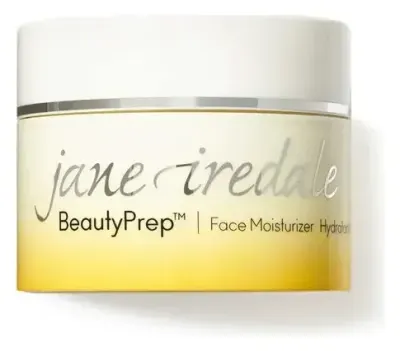
Daily Moisturizers & Water Gel Creams (3)
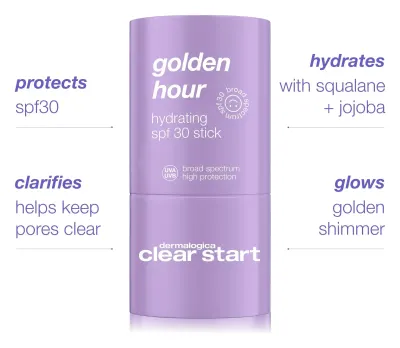
Daily Sunscreens & SPF Moisturizers (2)
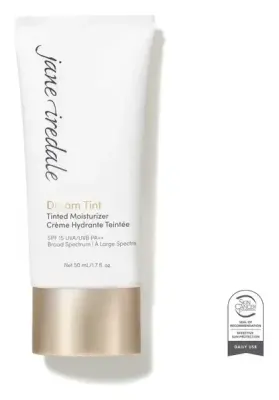
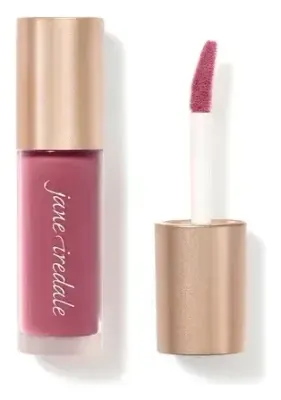
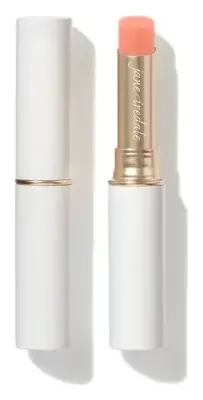
Lipsticks, Glosses & Lip Liners (2)
Anti-Aging & Retinoid Serums (1)
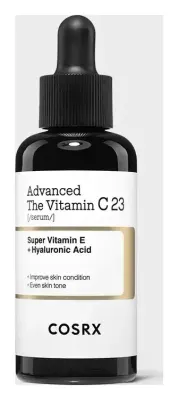
Targeted Vitamin C & Brightening Correctors (1)
Gel, Foam & Cream Facial Cleansers (1)

Physical & Enzyme Face Exfoliants (1)
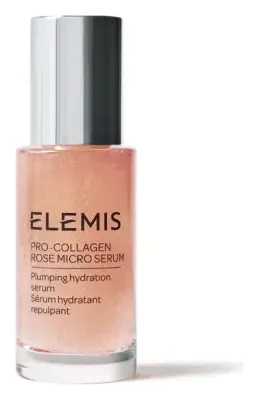
Hydrating Serums, Essences & Ampoules (1)
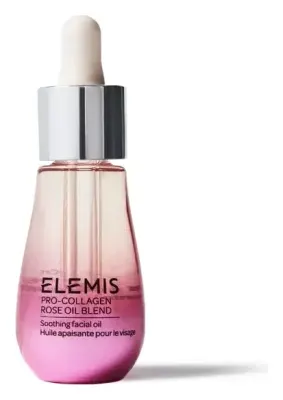
Face Oils & Treatment Oils (1)
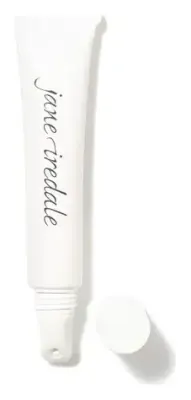
Intensive Lip Recovery Masks & Tinted Balms (1)
Common questions
What does safflower seed oil do in skincare?
Safflower seed oil is an emollient that softens skin and gives products a smooth, conditioning feel. Its fatty-acid profile can vary by variety.
Is safflower oil high in linoleic acid?
Many safflower oils are high in linoleic acid, but high-oleic varieties also exist. A label usually does not say which crop variety or profile was used.
Does safflower oil clog pores?
There is no reliable universal comedogenic score for a plant oil, and the finished formula matters. Try a small amount if you are concerned about how a richer product will feel.
Can safflower oil go bad?
Yes, like other unsaturated oils it can oxidize with time, heat, air, and light. Store it as directed and stop using a product if its odor or appearance has changed noticeably.
Sources
- Poljsak N, Kocevar Glavac N. Vegetable Butters and Oils as Therapeutically and Cosmetically Active Ingredients for Dermal Use: A Review of Clinical Studies. Front Pharmacol, 2022
- Poljsak N, Kocevar Glavac N. Vegetable Butters and Oils as Therapeutically and Cosmetically Active Ingredients for Dermal Use: A Review of Clinical Studies. PMC, 2022