Cetyl Ethylhexanoate
What cetyl ethylhexanoate does as a silky emollient ester, why it improves glide, and how it fits into a moisturizer.
Extremely safeIn 12 products we cover
We may earn a commission when you buy through links on this page. It never changes what we recommend.
Quick facts
- INCI name
- Cetyl Ethylhexanoate
- CAS number
- 59130-69-7
- Origin
- Synthetic
- Chemical class
- Fatty ester
- What it does in a formula
- emollient, skin conditioning, solvent
- Why it is in the formula
- Usually added as a lightweight emollient to soften skin and improve a product's slip.
What it is
Cetyl ethylhexanoate is a synthetic fatty ester used as an emollient to give skincare and makeup a fluid, non-greasy glide. It is formed by joining a cetyl fatty alcohol component with ethylhexanoic acid. Although it contains the root word cetyl, it is not a free fatty alcohol or a natural plant oil, but an engineered ester fluid.
You may find it in creams, lotions, makeup, or other products where a soft finish is desirable. It can help spread a formula and condition skin. It is a supporting ingredient, not the reason to buy a product, and the exact feel depends on the rest of the formula.
What it does
- Softens skin. As an emollient, it helps leave skin feeling smooth.
- Improves glide. It can make a cream or makeup product easier to spread.
- Adds a silky finish. Formulators use esters to tune the feel of a product without relying only on heavier oils.
Who it suits
Cetyl ethylhexanoate can appear in many product types and is not limited to one skin type. If you like a soft, smooth finish, you may enjoy a formula that contains it. If you prefer very light products, look at the overall texture; the ingredient name alone cannot predict how rich the finished product will feel.
Comedogenicity charts do not provide a dependable prediction for every person or formula. If you are prone to clogged-feeling products, try a new formula cautiously and watch how your skin responds. The rest of the ingredients and how much of each is used matter. Stop using a product if it causes persistent irritation.
What to pair it with, and what not to
Cetyl ethylhexanoate works as an emollient alongside humectants such as glycerin or other skin-conditioning ingredients. It has no special active pairing. Choose a moisturizer for its complete formula and the finish you prefer.
Skin Realist check: A smooth finish can be the whole point of an emollient. Your moisturizer does not need a dramatic backstory to feel pleasant.
Quick picks with Cetyl Ethylhexanoate
Scent-free, no patch-test flags on the label
COSRX The Ceramide Skin Barrier Moisturizer
scent-free label
AmazonBrand lists it for sensitive skin
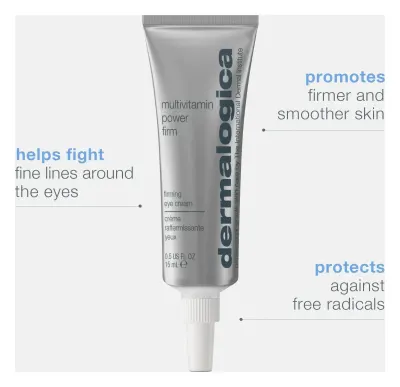
Dermalogica multivitamin power firm eye cream
Vitamins C and E and botanical extracts · oily, dry, combination, sensitive, normal skin · scented
AmazonFeatured in our guides
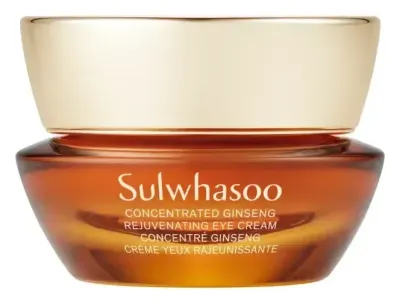
Sulwhasoo Concentrated Ginseng Rejuvenating Eye Cream
scented
Amazon

All 12 products with Cetyl Ethylhexanoate
Eye Creams & Under-Eye Patches (2)
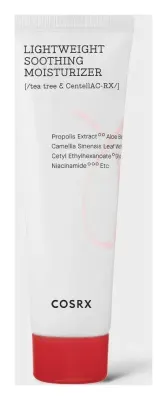
Daily Moisturizers & Water Gel Creams (2)

Anti-Aging & Retinoid Serums (1)

Premium Double-Cleansing Balms & Melting Gels (1)
Skin Barrier Repair Creams & Recovery Jars (1)
Targeted Vitamin C & Brightening Correctors (1)

Dermatological Acne & Chemical Exfoliating Liquids (1)
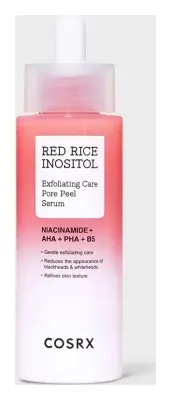
Hydrating Toners, Essence Waters & Face Mists (1)

Hydrating Serums, Essences & Ampoules (1)

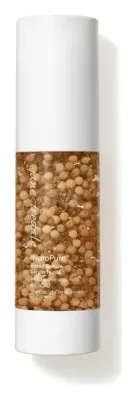
Full-Coverage Camouflage & Liquid Foundations (1)
Common questions
What does cetyl ethylhexanoate do in skin care?
Cetyl ethylhexanoate is an emollient ester that helps soften skin and improve the slip of a product. It is used for texture rather than as a headline active.
Is cetyl ethylhexanoate a fatty alcohol?
No. Its name contains cetyl, but cetyl ethylhexanoate is an ester. It is different from cetyl alcohol, which is a fatty alcohol used to thicken and soften formulas.
Is cetyl ethylhexanoate an oil?
It is an ester with an emollient feel, not a traditional plant oil. It can make a cream feel silky without telling you whether the complete product will feel light or rich.
Can cetyl ethylhexanoate clog pores?
There is no reliable ingredient-only score that predicts whether a finished product will clog pores for you. Consider the full formula and your own response rather than relying on a chart.