Coco-Glucoside
What coco-glucoside does in cleansers, why alkyl glucosides have a mild reputation, and why some people still patch-test first.
Extremely safeIn 14 products we cover
We may earn a commission when you buy through links on this page. It never changes what we recommend.
Quick facts
- INCI name
- Coco-Glucoside
- Origin
- Plant-derived or Synthetic
- Chemical class
- Nonionic alkyl glucoside surfactant
- What it does in a formula
- cleansing, surfactant, foaming
- Why it is in the formula
- It helps lift oil and dirt from skin and can add foam in rinse-off cleansers.
What it is
To lift daily grime and makeup without stripping the skin, formulators rely on coco-glucoside, a mild nonionic surfactant from the alkyl glucoside family. Formed by joining plant-derived fatty alcohols with glucose, it enables water to mix with oils so residues rinse away cleanly. It is a refined cleansing surfactant rather than raw coconut oil.
Alkyl glucosides are often chosen for their mild reputation, but the word mild is not a guarantee about every finished cleanser. A product’s surfactant combination, concentration, pH, contact time, and the way you rinse all affect how it feels. Coco-glucoside can be used alongside other cleansing agents to adjust foam and cleansing power.
What it does
- Lifts oil and residue. As a surfactant, it helps water carry away soil and excess surface oil during rinsing.
- Contributes to foam. It can help a cleanser lather and spread over skin or hair.
- Supports a cleanser blend. Formulators combine surfactants to balance cleansing, foam, and after-feel; one ingredient does not determine whether a cleanser is stripping.
Who it suits
Many people use cleansers containing coco-glucoside without difficulty, but alkyl glucosides are documented contact allergens for some. If you have a known allergy to this ingredient family, check labels and follow a dermatologist’s advice. If you are simply trying a new cleanser and tend to react, patch-test first and use it as directed. Stop if it causes persistent itching, redness, or discomfort.
A cleanser that leaves skin tight may be too strong for you, regardless of whether it contains coco-glucoside. Short contact and thorough rinsing can help you assess how it feels, but the product’s full surfactant blend is the larger story. If you have dry skin, choose a cleanser that leaves a comfortable after-feel and follow with moisturizer as needed. If symptoms recur, ask a dermatologist to help identify the cause.
What to pair it with, and what not to
Coco-glucoside does not need a special active beside it. It is part of a rinse-off cleanser, so use the product according to its instructions and follow with your usual moisturizer if needed. Avoid combining several new cleansers at once if you are trying to find out which formula your skin prefers.
Skin Realist check: Gentle is a formulation result, not a permanent personality trait of one surfactant. Your face gets a vote after the rinse.
Quick picks with Coco-Glucoside
Scent-free, no patch-test flags on the label
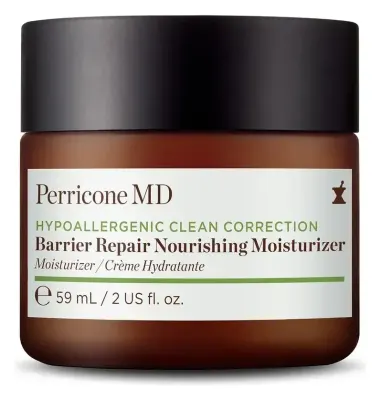
Perricone MD Hypoallergenic Clean Correction Barrier Repair Nourishing Moisturizer
Peptides, ceramides, and mushroom extract · sensitive skin · scent-free label
AmazonBrand lists it for sensitive skin
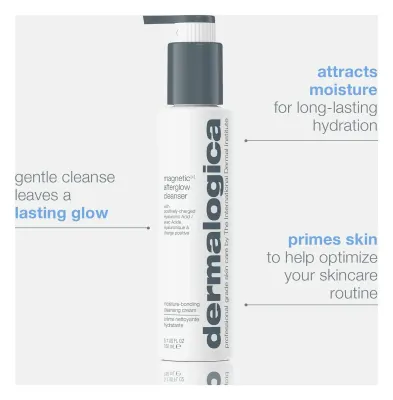
Dermalogica magnetic[+] afterglow cleanser
Positively charged hyaluronic acid, murumuru butter, oat, lotus root extract, and 10% glycerin · oily, dry, combination, sensitive, normal skin · scented
AmazonBrand lists it for oily skin
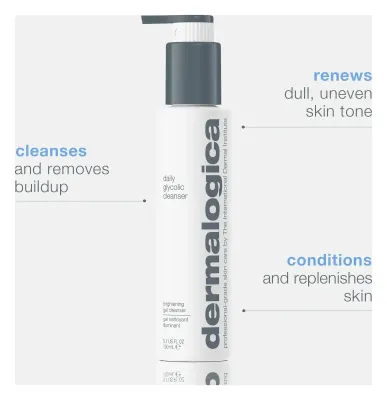
Dermalogica daily glycolic cleanser
Glycolic acid, jojoba seed oil and calendula extract · normal, combination, oily skin · scented
Amazon
All 14 products with Coco-Glucoside
Gel, Foam & Cream Facial Cleansers (6)
 Dermalogica daily glycolic cleanserAmazon
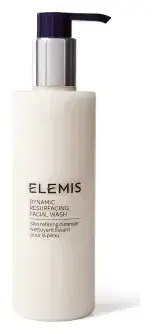 Elemis Dynamic Resurfacing Facial WashAmazon
 Dermalogica magnetic[+] afterglow cleanserAmazon
 Sulwhasoo Concentrated Ginseng Rejuvenating Cleansing FoamAmazon
 Perricone MD Neuropeptide Pore-Refining & Resurfacing Cream CleanserAmazon
 Elemis Superfood Facial WashAmazon
Premium Double-Cleansing Balms & Melting Gels (3)
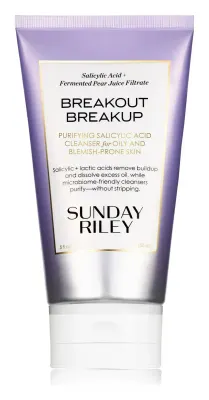
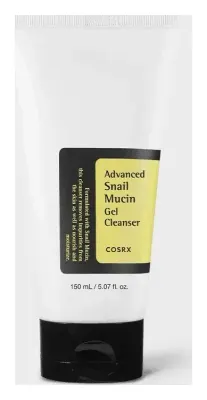
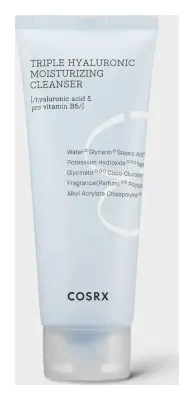
Anti-Aging & Retinoid Serums (2)
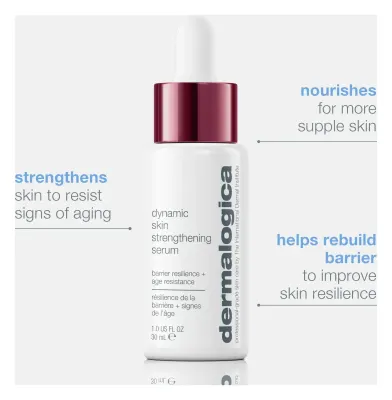

Body Creams, Butters & Body Oils (2)
Skin Barrier Repair Creams & Recovery Jars (1)
Common questions
What does coco-glucoside do in a cleanser?
It is a surfactant that helps water lift oils, dirt, and residue from skin. It can also help a cleanser foam and spread.
Is coco-glucoside a gentle cleanser?
Alkyl glucosides have a mild reputation, but a cleanser's feel depends on the surfactant blend, concentration, pH, and how long you use it. Some people are contact-allergic to alkyl glucosides, so patch-testing can make sense if you are sensitive.
Is coco-glucoside coconut oil?
No. The name refers to a surfactant made from fatty alcohols associated with coconut and a sugar-derived component. It is not simply coconut oil in a cleanser.
Can coco-glucoside cause an allergy?
Contact allergy to alkyl glucosides is documented in some people, although many others use products containing them without a problem. If you have a known allergy or recurring rash, consult a dermatologist and check the whole ingredient list.