Coenzyme Q10
What Coenzyme Q10 does in skincare, how ubiquinone is used in antioxidant formulas, who may enjoy it, and what to pair it with.
Extremely safeIn 12 products we cover
We may earn a commission when you buy through links on this page. It never changes what we recommend.
What it is
Coenzyme Q10, often shortened to CoQ10, is also called ubiquinone on ingredient lists. It is a compound found naturally in the body and is used in skincare as an antioxidant and skin-conditioning ingredient. You may find it in creams, oils, and serums marketed for mature-looking skin or everyday environmental protection.
The ingredient has an established role in cosmetic antioxidant formulas, but that does not mean every product with CoQ10 will visibly change skin. Delivery, stability, and the rest of the formula all play a part. Treat claims about dramatic age reversal as advertising rather than a promise.
What it does
- Adds antioxidant support. Antioxidants help protect the skin’s appearance from oxidative stress. This is a supportive cosmetic role, not a shield that makes other sun-care steps unnecessary.
- Conditions the skin. CoQ10 may be included to leave skin feeling cared for and moisturized, depending on the product’s base.
- Works as one part of a formula. It can be combined with other antioxidants and moisturizing ingredients, so you do not need to build a routine around CoQ10 alone.
Who it suits
CoQ10 can be an option if you enjoy antioxidant skincare or want a moisturizer with a skin-conditioning ingredient. It can work across different routine types, but the product’s texture and supporting ingredients may matter more for day-to-day comfort. If you are sensitive to fragrance, oils, or a particular base, check the full label rather than focusing only on ubiquinone. Patch-test a new product if your skin tends to react.
It is optional, not a required step. A moisturizer you like and sunscreen used as directed are more foundational than chasing a specific antioxidant. If a product causes persistent irritation, stop using it and consider asking a dermatologist for guidance.
What to pair it with, and what not to
CoQ10 can be used alongside vitamin C, vitamin E, moisturizer, and sunscreen. There is no standard reason to separate it from retinol, though your routine should avoid too many potentially irritating products at once. Follow the label, add products gradually, and keep daytime sun protection in place. No antioxidant replaces sunscreen.
Skin Realist check: A familiar routine can do its job without an ingredient with a very important-sounding name taking over the meeting.
How it appears on labels: Ubiquinone; Ubiquinone (Coenzyme Q10)
Quick picks with Coenzyme Q10
Scent-free, no patch-test flags on the label
Perricone MD High Potency Triple Retinol Renewal Serum
Triple retinol blend, coenzyme Q10, and beta-carotene · oily, dry, combination, sensitive, normal skin · scent-free label
AmazonBrand lists it for sensitive skin
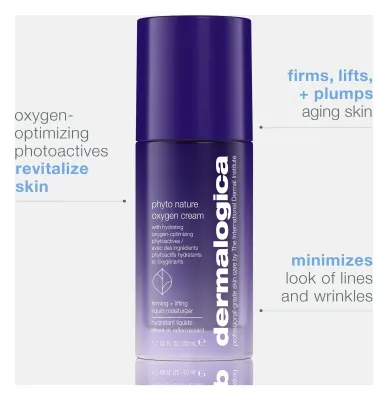
Dermalogica phyto nature oxygen cream
Ligustrum lucidum seed extract, glycogen, and nasturtium flower · oily, dry, combination, sensitive, normal skin · scented
AmazonBrand lists it for dry skin
Dermalogica phyto nature lifting eye cream
Peptides, Astragalus, Electric Daisy Flower, CoQ10 · dry skin · scented
Amazon


All 12 products with Coenzyme Q10
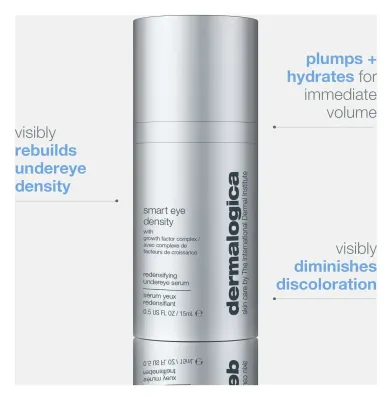
Eye Creams & Under-Eye Patches (5)



Anti-Aging & Retinoid Serums (2)

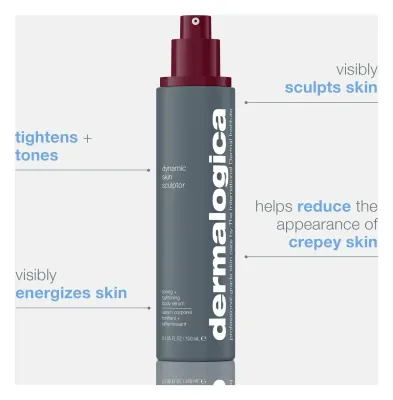
Body Creams, Butters & Body Oils (1)
Daily Moisturizers & Water Gel Creams (1)
Targeted Vitamin C & Brightening Correctors (1)

Hydrating Serums, Essences & Ampoules (1)

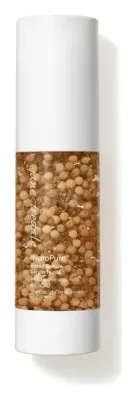
Full-Coverage Camouflage & Liquid Foundations (1)
Common questions
What does Coenzyme Q10 do in skincare?
Coenzyme Q10, also called ubiquinone, is an antioxidant used in skincare formulas. It is included to help protect the skin's appearance from oxidative stress and to condition the skin.
Is CoQ10 the same as ubiquinone?
Yes. Ubiquinone is the common ingredient-list name for Coenzyme Q10, often shortened to CoQ10. Related forms may have different names, so check the label.
Can you use CoQ10 with retinol?
There is no common ingredient conflict between topical CoQ10 and retinol. Follow the directions for each product and introduce new products one at a time to notice how your skin responds.
Does CoQ10 help with wrinkles?
CoQ10 is used as an antioxidant and skin-conditioning ingredient, but a cosmetic product cannot guarantee wrinkle reduction. Overall formula and sun protection matter, and results vary.