Coumarin
What coumarin does in scented skincare, why it may appear on an ingredient label, and who may prefer to avoid fragrance.
We may earn a commission when you buy through links on this page. It never changes what we recommend.
Quick facts
- INCI name
- Coumarin
- CAS number
- 91-64-5
- Origin
- Plant-derived or Synthetic
- Chemical class
- Aromatic lactone
- What it does in a formula
- fragrance
- Why it is in the formula
- Coumarin contributes a sweet, warm fragrance note to scented skincare and makeup.
- Regulatory notes
- An EU fragrance allergen that must be named on labels above prescribed concentration thresholds.
What it is
In scented skincare and makeup, coumarin functions as an aromatic compound that contributes a warm, sweet odor. It occurs naturally in several plants and is also made synthetically for fragrances. You may see coumarin listed separately or included within a fragrance blend. It does not function as a moisturizer, exfoliant, or other active ingredient.
Coumarin is one of the fragrance allergens that EU cosmetic labeling rules identify by name above specified thresholds. The European Commission explains that allergens covered by the regulation must appear in the ingredient list when they exceed a threshold for leave-on or rinse-off products. This makes the label useful for someone checking a known trigger. It does not mean that every product with coumarin will cause a reaction, and it does not describe all fragrance ingredients in the formula. In the United States, fragrance blends may be listed under fragrance or parfum, so not seeing coumarin by name does not prove a formula is fragrance-free.
What it does
- Adds scent. Coumarin contributes an aromatic note to perfumes and fragranced cosmetics.
- Complements fragrance blends. It can be combined with many other scent materials to shape a product’s overall smell.
- Helps identify a known allergen. A separate label name can help people who already know they need to avoid it.
Who it suits
If you enjoy scented products and have no known sensitivity, you may simply treat coumarin as a fragrance detail. People with a confirmed coumarin allergy should avoid products that contain it and follow advice from their clinician. If you prefer a fragrance-free routine, skip coumarin and check the rest of the label for fragrance, parfum, and aromatic plant oils.
A fragrance allergen label is information, not a prediction of how your skin will respond to a particular product. Someone can react to many different ingredients, while another person may tolerate a scented formula. If you are trying to identify a repeated reaction, a dermatologist can help with appropriate testing. Do not keep using a product that causes an ongoing rash or irritation.
What to pair it with, and what not to
Coumarin is a scent ingredient, so it does not need an active or moisturizer paired with it. If you are avoiding fragrance, check for both fragrance and essential oils because either can add scent materials to a formula.
Skin Realist check: A pleasant scent is a bonus, not a requirement. Your routine is allowed to smell like absolutely nothing.
Quick picks with Coumarin
Brand lists it for sensitive skin
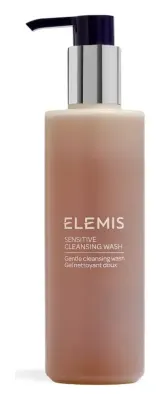
Elemis Sensitive Cleansing Wash
Chamomile, thyme, and lady's mantle · dry, sensitive skin · scented
AmazonBrand lists it for oily skin
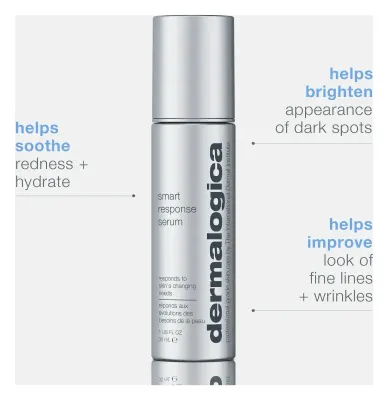
Dermalogica Smart Response Serum
Hydrolyzed beta glucan, hydrolyzed wheat flour, Japanese Cornelia Cherry, mannose-6-phosphate, and lactic acid · oily, dry, combination, sensitive, normal skin · scented
AmazonBrand lists it for dry skin
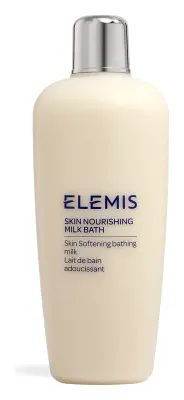
Elemis Skin Nourishing Milk Bath
Milk protein, Japanese camellia oil, macadamia oil, and oat kernel extract · dry skin · scented
Amazon
All 8 products with Coumarin
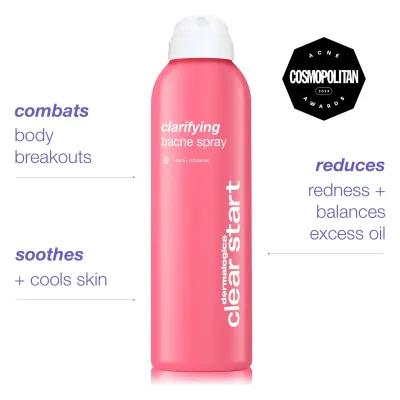
Body Creams, Butters & Body Oils (4)
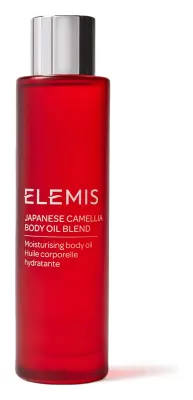
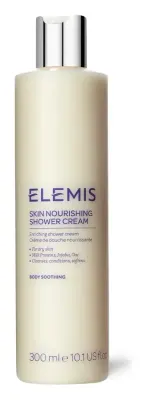
Physical & Enzyme Face Exfoliants (1)
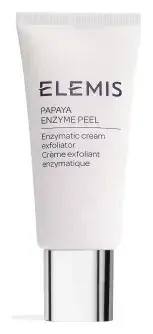
Gel, Foam & Cream Facial Cleansers (1)
Hydrating Serums, Essences & Ampoules (1)
Cream & Gel Treatment Masks (1)
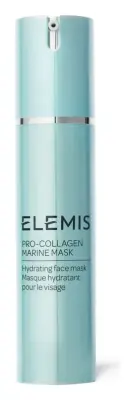
Common questions
What does coumarin do in skincare?
Coumarin is used as a fragrance component. It can contribute a sweet, warm scent, but it is not included to moisturize or exfoliate skin.
Is coumarin a fragrance allergen?
Yes, coumarin is a recognized fragrance allergen for some people. EU rules require certain fragrance allergens, including coumarin, to be named on the ingredient list above prescribed thresholds.
Is coumarin natural?
It occurs naturally in some plants and can also be made synthetically. The ingredient name alone does not identify its source in a particular product.
Should I avoid coumarin if I avoid fragrance?
Yes. It is a fragrance ingredient, so people who choose to avoid fragrance may want to skip products that list it. Fragrance materials can also appear under names such as fragrance or parfum.