Ethyl Hexanediol
What ethyl hexanediol does in skincare, why it is a glycol rather than a drying alcohol, and how it supports water-based formulas.
Extremely safeIn 13 products we cover
We may earn a commission when you buy through links on this page. It never changes what we recommend.
Quick facts
- INCI name
- Ethyl Hexanediol
- CAS number
- 94-96-2
- Origin
- Synthetic
- Chemical class
- Glycol (diol)
- What it does in a formula
- humectant, solvent, preservative booster
- Why it is in the formula
- Usually used as a glycolic solvent and humectant that can also support a preservative system.
What it is
Far from a drying astringent like alcohol denat., ethyl hexanediol is a synthetic diol whose two hydroxyl groups enable it to function as a humectant, solvent, and preservative booster. In chemistry, the word alcohol denotes a specific functional group rather than a drying sensation. On cosmetics packages, it is listed straightforwardly as Ethyl Hexanediol.
You may find it in water-based serums, lotions, cleansers, and other cosmetics. Because it can help dissolve ingredients and support preservation, its role can overlap across parts of the formula. It is not usually the sole preservative in a product. Water-based cosmetics need a preservation system because water and normal use can allow mold and bacteria to grow. A formula’s packaging, storage, and full blend also matter to product quality.
What it does
- Helps dissolve ingredients. As a solvent, it can help some components mix into the water phase of a formula.
- Acts as a humectant. It can bind some water and contribute to the feel of a water-based product.
- Supports preservation. It can boost a preservative system, helping the formula resist microbial growth during normal use.
- Is not a drying alcohol. Its glycol role is different from alcohol denat., which is a separate ingredient with different properties.
Who it suits
Ethyl hexanediol is a helper ingredient, not a reason to choose a serum or moisturizer. It is a glycol, not a drying alcohol, and its presence can support a preservation system in a water-based product. Sensitive skin can react to any finished formula, so patch-test a new product and consider its full label if irritation persists.
What to pair it with, and what not to
Ethyl hexanediol does not need a special partner in your routine. It can appear alongside water-binding ingredients such as glycerin and as part of a preservation system. Preservatives help protect water-based products, including systems that may also use phenoxyethanol or parabens. It is a glycol, not a drying alcohol like alcohol denat.. Follow the product’s storage and use directions.
Skin Realist check: A chemical name can be long without having to be the villain or the headline act.
Quick picks with Ethyl Hexanediol
Scent-free, no patch-test flags on the label
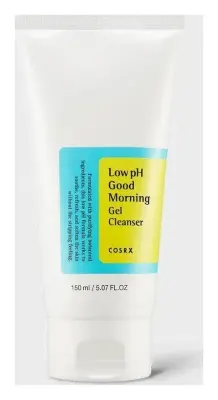
COSRX Low pH Good Morning Gel Cleanser
scent-free label
AmazonFeatured in our guides
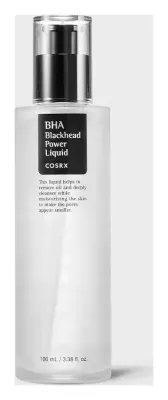
COSRX BHA Blackhead Power Liquid
Betaine Salicylate (BHA) · scent-free label
Amazon
All 13 products with Ethyl Hexanediol
Dermatological Acne & Chemical Exfoliating Liquids (5)
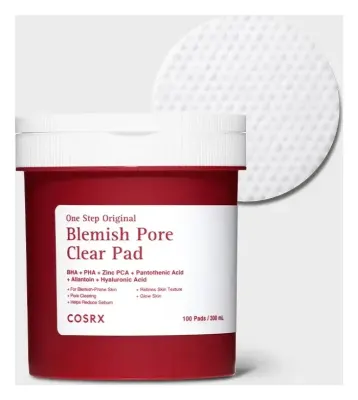
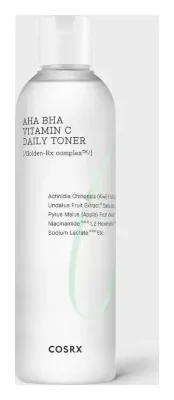
Daily Moisturizers & Water Gel Creams (3)
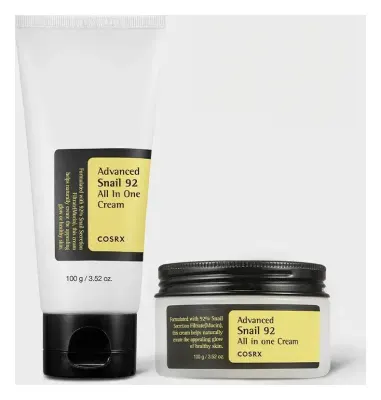
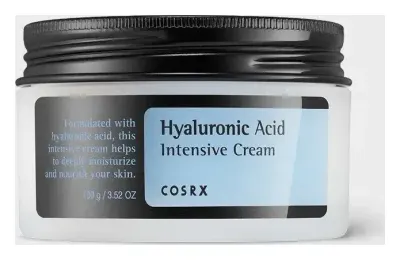
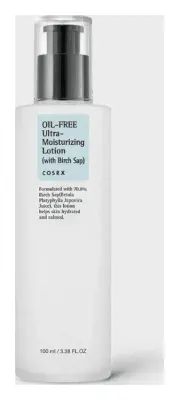
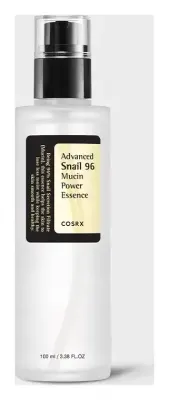
Hydrating Serums, Essences & Ampoules (2)
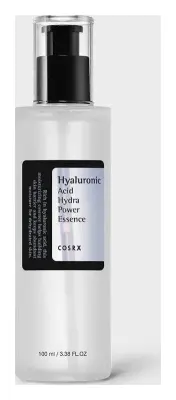
Premium Double-Cleansing Balms & Melting Gels (1)
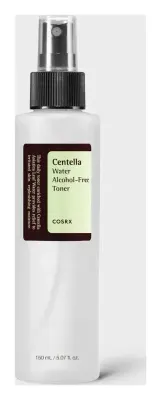
Hydrating Toners, Essence Waters & Face Mists (1)
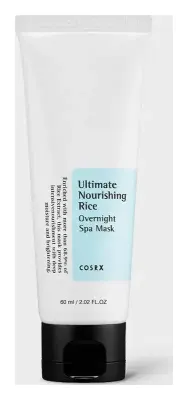
Premium Overnight Recovery Packs & Sleeping Facials (1)
Common questions
Is ethyl hexanediol a drying alcohol?
No. It is a glycol, a type of diol that can act as a solvent and humectant. It is chemically different from volatile alcohol denat.
What does ethyl hexanediol do in skincare?
It can help dissolve ingredients, attract some water, and support a product's preservation system. It is usually a helper rather than the main active.
Why do water-based products need preservatives?
Water-containing formulas can support mold and bacterial growth if they are not adequately preserved. Preservatives work with packaging and normal storage to help maintain product quality.
Can ethyl hexanediol irritate skin?
It is used in cosmetics as a supporting glycol, but any ingredient can be involved in an individual reaction. If a product causes persistent discomfort, stop using it and consider the complete ingredient list.