HDI/Trimethylol Hexyllactone Crosspolymer
What HDI/trimethylol hexyllactone crosspolymer does as a cosmetic texture agent, how it affects finish, and what its long name means.
Extremely safeIn 7 products we cover
We may earn a commission when you buy through links on this page. It never changes what we recommend.
Quick facts
- INCI name
- HDI/Trimethylol Hexyllactone Crosspolymer
- Origin
- Synthetic
- Chemical class
- Polyurethane crosspolymer
- What it does in a formula
- film forming, viscosity controlling
- Why it is in the formula
- This synthetic crosspolymer helps give a product a smooth, cushioned texture and consistent finish.
What it is
A synthetic crosslinked polymer used for texture modification, HDI/Trimethylol Hexyllactone Crosspolymer creates a soft-focus feel and velvety consistency in cosmetics. The abbreviation HDI refers to hexamethylene diisocyanate, one of its initial chemical building blocks. The fully reacted crosspolymer behaves as an inert micro-network that helps powders and creams glide evenly across skin.
You may see it in makeup or skin-care products that aim for a soft, even finish. It is a supporting ingredient, not a skin-care active. The polymer does not mean the product contains visible plastic beads. Its exact grade and level are not shown on the ingredient label, so you cannot predict a product’s feel from this name alone. The rest of the formula, including powders, oils and film-formers, shapes the result.
What it does
- Supports texture. It can help give a product body and a controlled, smooth application.
- Creates a film-like finish. The polymer can contribute to a more even surface feel in the finished formula.
- Helps with stability. Crosslinked materials can support the structure of a cosmetic product.
- Works with other texture agents. It does not single-handedly determine whether a product feels matte, silky or rich.
Who it suits
This polymer is not linked to a specific skin type. It may appear in products for a range of users, especially where a smooth finish is desired. If you prefer to avoid synthetic polymers, check the label and select a different formula. If you have sensitive skin, focus on your experience with the entire product; fragrance, preservatives and active ingredients may be more relevant to comfort. Patch-test new products if you are prone to reactions and stop if discomfort continues.
What to pair it with, and what not to
There is no special active to pair with this crosspolymer. It is included in a finished formula with other texture and conditioning ingredients. Choose a product for how the whole formula applies instead of trying to compensate for one polymer with another.
Skin Realist check: The name takes up more space than its role. Let your texture preferences make the decision.
Quick picks with HDI/Trimethylol Hexyllactone Crosspolymer
Scent-free, no patch-test flags on the label
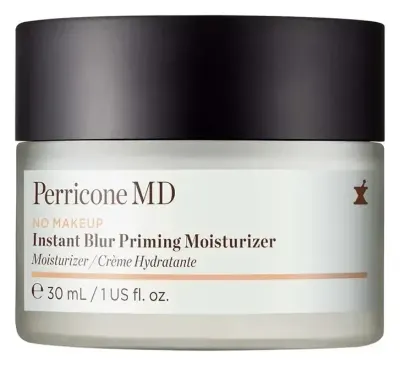
Perricone MD No Makeup Instant Blur Priming Moisturizer
Glycerin, silica, thioctic acid and peptides · scent-free label
AmazonBrand lists it for oily skin
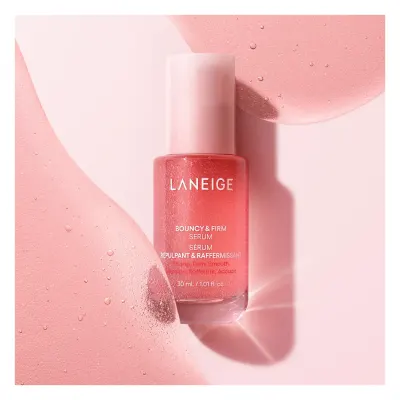
Laneige Bouncy & Firm Serum
Niacinamide, soluble collagen, peptide complex, beta-glucan · normal, dry, combination, oily skin · scented
AmazonFeatured in our guides
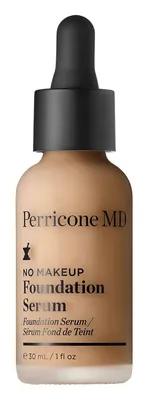
Perricone MD No Makeup Foundation Serum
Daisy flower extract, bisabolol, acetyl tetrapeptide-9, palmitoyl tripeptide-1 and palmitoyl tetrapeptide-7 · scent-free label
Amazon
All 7 products with HDI/Trimethylol Hexyllactone Crosspolymer
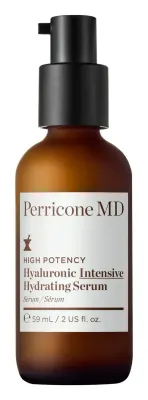
Hydrating Serums, Essences & Ampoules (3)
Full-Coverage Camouflage & Liquid Foundations (1)
Mineral Pressed Powders & Skin-Nourishing Primers (1)
Targeted Vitamin C & Brightening Correctors (1)

Eye Creams & Under-Eye Patches (1)

Common questions
What is HDI/trimethylol hexyllactone crosspolymer?
It is a synthetic crosslinked polymer used in cosmetics to help control texture and finish. The initials HDI refer to a chemical building block used in making the polymer.
What does this crosspolymer do in makeup?
It can help create a smooth, soft-focus feel and support the formula's structure. Its role depends on the other ingredients.
Is HDI/trimethylol hexyllactone crosspolymer a skin active?
No. It is mainly a formulation and texture ingredient, not an active selected for a particular skin concern.
Does this ingredient mean a product contains plastic beads?
No. It is a polymer in the formula, not a sign that visible plastic particles are present. Environmental definitions of microplastics depend on specific criteria.