Honey
What honey does in skincare, how it acts as a humectant and conditioning ingredient, and what vegan shoppers should know.
Probably fineIn 9 products we cover
We may earn a commission when you buy through links on this page. It never changes what we recommend.
What it is
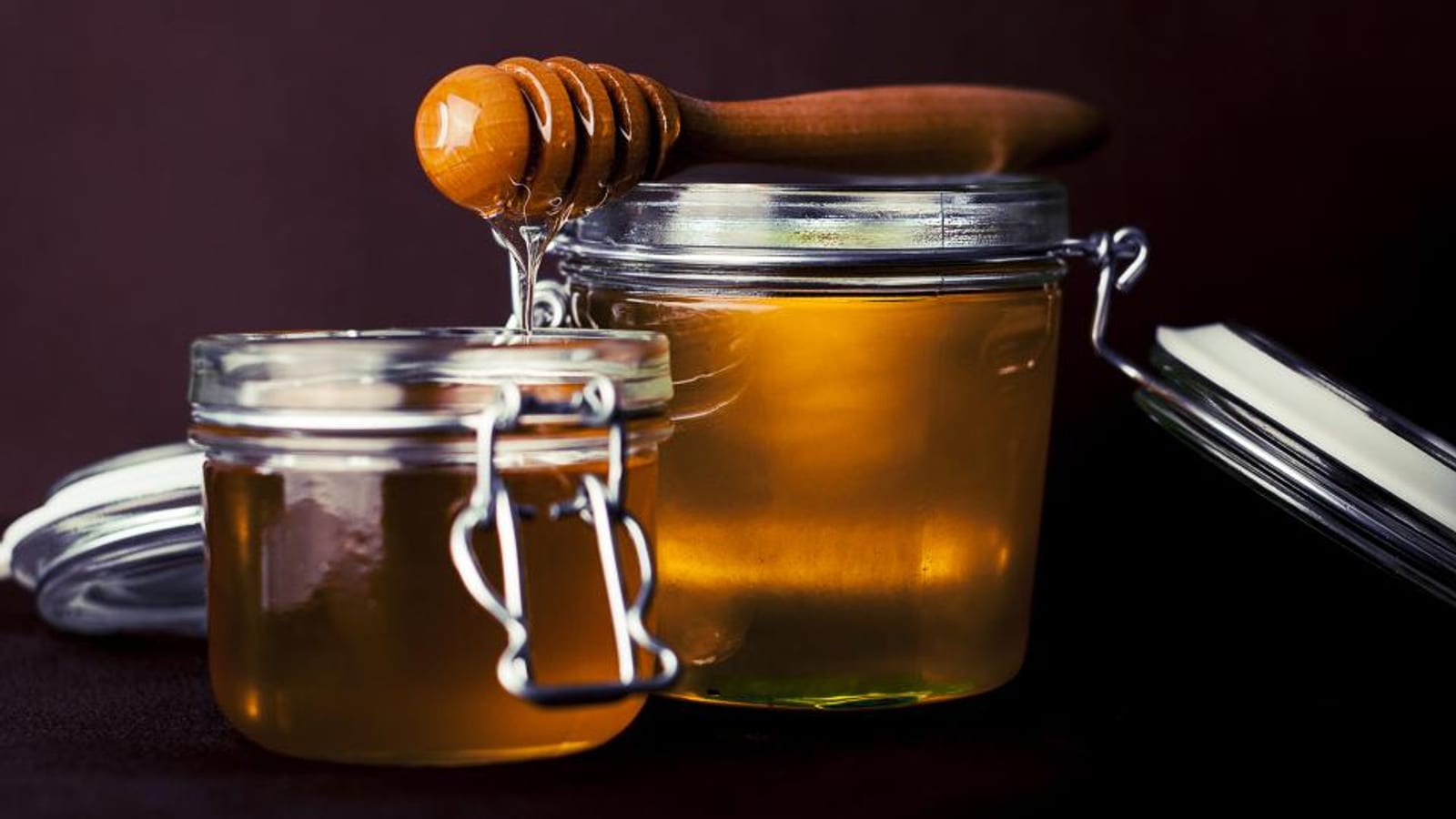
Honey is produced by bees from flower nectar and is used as a humectant and skin-conditioning ingredient in some cosmetics. Ingredient lists may call it Honey or Mel; honey extract and other derivatives can have different names. Face masks, cleansers, moisturizers and lip products may include it. The type of honey, processing and amount can vary between products, so the common ingredient name does not describe every detail of the formula. Honey is animal-derived and is not vegan.
What it does
- Attracts water. As a humectant, honey can help draw water into the outer layers of skin when used in a suitable formula.
- Conditions skin. It can contribute to a soft, comfortable after-feel, particularly alongside emollients and other moisturizing ingredients.
- Adds a natural-origin component. Its source does not make the finished product inherently better or safer, and its performance depends on the full formulation.
Who it suits
Honey may appeal if you like humectant-rich masks or moisturizers and do not avoid animal-derived ingredients. It is not a required ingredient, and many vegan formulas use other humectants, such as glycerin. If you follow a vegan lifestyle, look for Honey and Mel on labels and check the manufacturer’s claims about the complete formula. People can react to honey or to other ingredients in a product, so patch-test a new leave-on formula if you are concerned. Do not use a cosmetic honey product as a treatment for wounds, infection or another medical condition. For ongoing skin symptoms, talk with a dermatologist.
What to pair it with, and what not to
Honey can be part of a formula with hyaluronic acid and ceramides, which perform different moisturizing roles. Use the product according to its directions and layer a moisturizer if your routine calls for one. There is no special active that honey needs, and it does not counteract irritation from exfoliating acids or retinol. Avoid making a sticky DIY face mask with food ingredients; a product formulated for cosmetic use is easier to use as directed. In the morning, finish with sunscreen as directed.
Skin Realist check: Honey sounds cozy, but your moisturizer does not need a charming origin story to do its job. Choose the formula that feels good and fits your values.
How it appears on labels: Honey Extract; HONEY / MEL / MIEL; Honey
Quick picks with Honey
Scent-free, no patch-test flags on the label
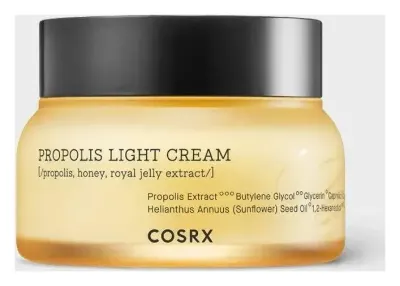
COSRX Full Fit Propolis Light Cream
Propolis Extract 64% · scent-free label
AmazonFeatured in our guides
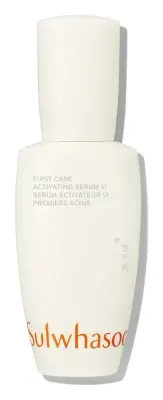
Sulwhasoo First Care Activating Serum VI
scented
Amazon
All 9 products with Honey
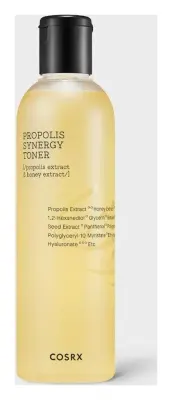
Hydrating Toners, Essence Waters & Face Mists (2)
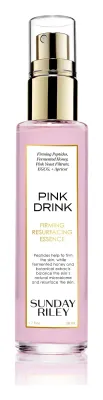
Intensive Lip Recovery Masks & Tinted Balms (2)
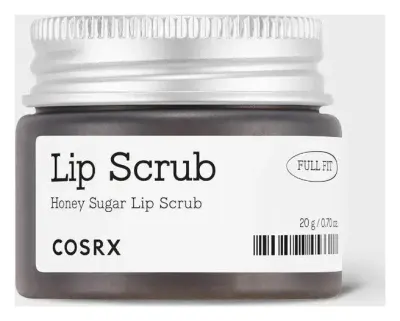
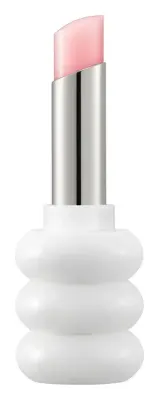
Hydrating Serums, Essences & Ampoules (1)
Anti-Aging & Retinoid Serums (1)

Daily Moisturizers & Water Gel Creams (1)
Sheet, Hydrogel & Clay Masks (1)
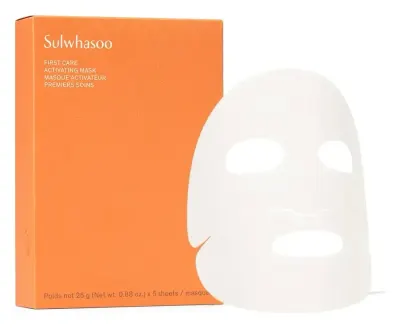
Premium Overnight Recovery Packs & Sleeping Facials (1)
Common questions
What is honey in skincare?
Honey is a substance made by bees from plant nectar, and it may appear as Honey or Mel on a cosmetic ingredient list. Products can use different grades, preparations or honey-derived materials. The amount and formula vary, and honey is not vegan.
What does honey do for skin?
Honey is a humectant and skin-conditioning ingredient, meaning it can help attract water and contribute to a soft, comfortable feel. The finished product may combine it with other moisturizers. Cosmetic honey should not be treated as a substitute for medical wound care.
Is honey in skincare vegan?
No. Honey is produced by bees, so products containing honey or Mel are not considered vegan by standard vegan definitions. If you avoid animal-derived ingredients, check the full ingredient list and the brand’s labeling for the complete formula.
Can honey irritate skin?
Any cosmetic ingredient can bother some people, and a honey product may also contain fragrance, preservatives or other ingredients that matter. Patch-test a new leave-on product and stop if irritation develops. If you have known sensitivities or persistent symptoms, ask a healthcare professional.