Hydrogenated Polyisobutene
What Hydrogenated Polyisobutene does in skincare, its usual role in cosmetic formulas, who may prefer it, and what to know before using it.
Extremely safeIn 19 products we cover
We may earn a commission when you buy through links on this page. It never changes what we recommend.
Quick facts
- INCI name
- Hydrogenated Polyisobutene
- Origin
- Synthetic
- Chemical class
- Hydrocarbon polymer
- What it does in a formula
- emollient, skin conditioning, viscosity controlling
- Why it is in the formula
- Usually added as a synthetic emollient to improve glide, cushion, and a smooth finish.
What it is
In lip products, sunscreens, and creams, hydrogenated polyisobutene delivers cushiony slip and gloss as a synthetic hydrocarbon emollient. Hydrogenation stabilizes the polymer against oxidation. While it provides an oil-like shine, it is an engineered ingredient rather than a botanical lipid.
You may encounter it in makeup, lip products, moisturizers, and other formulas where slip or a cushiony finish is useful. As a synthetic polymer, it is distinct from solid plastic particles; its presence does not automatically mean a product contains microbeads. Its job is to help shape texture and leave a soft film.
What it does
- Improves slip. It helps products spread smoothly and can reduce a draggy feel.
- Softens the surface. Its emollient film can make skin feel smoother.
- Adds cushion or gloss. Formulators use it to adjust the finish of makeup, lip products, and creams.
This ingredient is a supporting part of a finished formula. Its contribution can vary with product type, manufacturing, and other materials used alongside it. Ingredient lists are not concentration labels, so they cannot tell you how strong a particular effect will be.
Who it suits
Hydrogenated polyisobutene is a support ingredient, not an active intended to target a skin concern. It can appear in products for many skin types, but its richer or glossy feel may not appeal if you prefer a dry finish. Choose by how the complete formula wears rather than assuming synthetic means harsh or natural means lighter.
The overall texture and the rest of the ingredient list matter as much as this one name. If a new product causes persistent discomfort, stop using it and ask a dermatologist for advice. Patch-testing can help you introduce unfamiliar formulas more cautiously.
What to pair it with, and what not to
It needs no special pairing. It can sit alongside humectants such as glycerin or other emollients in a moisturizer. If you are using an active product, apply each item according to its directions and let the overall texture determine layering order. There is no need to build a routine around this ingredient alone. Choose compatible textures, follow product directions, and let the complete formula do its intended job.
Skin Realist check: A good texture does not need to be plant-derived to feel good on your face.
Quick picks with Hydrogenated Polyisobutene
Scent-free, no patch-test flags on the label
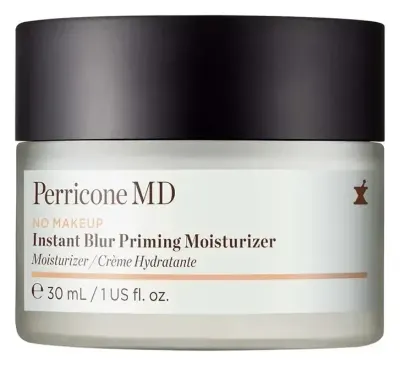
Perricone MD No Makeup Instant Blur Priming Moisturizer
Glycerin, silica, thioctic acid and peptides · scent-free label
AmazonFeatured in our guides
Sunday Riley A+ High-Dose Retinoid Serum
Retinol + Hydroxypinacolone Retinoate · scent-free label
Amazon

All 19 products with Hydrogenated Polyisobutene
Daily Moisturizers & Water Gel Creams (3)



Eye Creams & Under-Eye Patches (3)
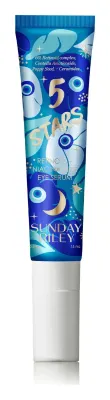


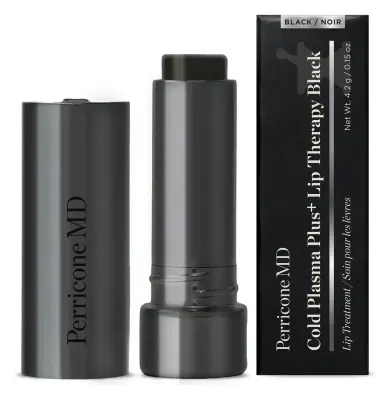
Intensive Lip Recovery Masks & Tinted Balms (2)
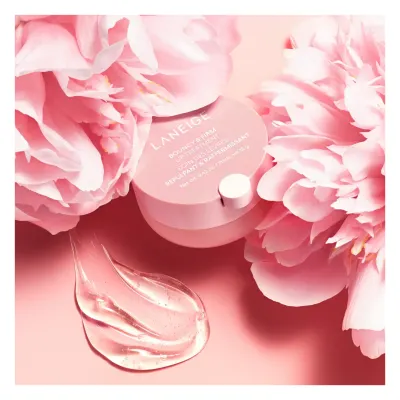
Anti-Aging & Retinoid Serums (1)
Shaving Creams, Gels & Oils (1)
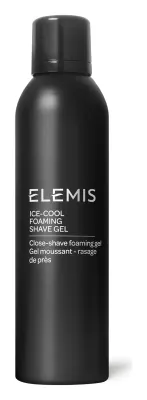
Mineral Pressed Powders & Skin-Nourishing Primers (1)
Body Creams, Butters & Body Oils (1)

Skin Barrier Repair Creams & Recovery Jars (1)

Sheet, Hydrogel & Clay Masks (1)

Lipsticks, Glosses & Lip Liners (1)
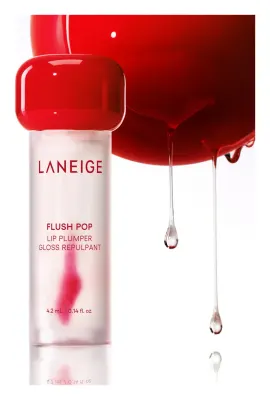
Blush, Bronzers & Highlighters (1)
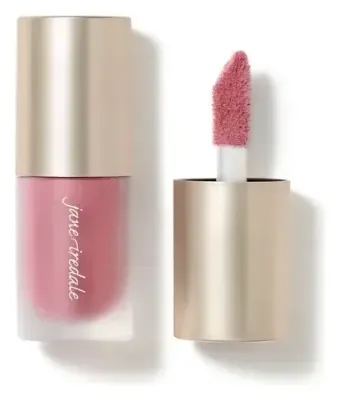
Eye Shadows, Liners, Mascara & Brow Makeup (1)
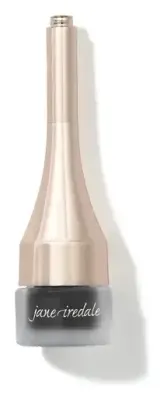
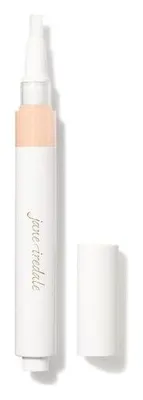
High-Definition Camouflage Concealers (1)
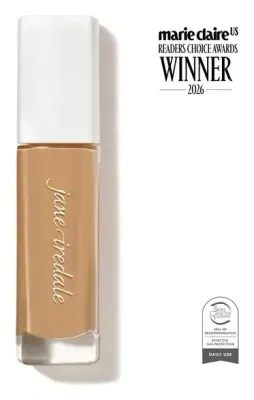
Full-Coverage Camouflage & Liquid Foundations (1)
Common questions
What does hydrogenated polyisobutene do in skincare?
It is a synthetic emollient that improves glide and leaves a smooth, cushiony feel. It is also used in makeup and lip formulas for texture.
Is hydrogenated polyisobutene a plastic?
It is a synthetic polymer, but that does not make it the same as solid plastic microbeads. Its common cosmetic role is emollient and texture-related.
Is hydrogenated polyisobutene natural?
No, it is a synthetic hydrocarbon polymer. It can provide an oil-like feel without being a plant oil.