Hydroxycitronellal
What hydroxycitronellal does as a fragrance ingredient, why it may appear on labels, and who may prefer fragrance-free products.
We may earn a commission when you buy through links on this page. It never changes what we recommend.
Quick facts
- INCI name
- Hydroxycitronellal
- CAS number
- 107-75-5
- Origin
- Synthetic or Nature-identical (made in a lab)
- Chemical class
- Aromatic aldehyde (fragrance ingredient)
- What it does in a formula
- fragrance
- Why it is in the formula
- Usually added to give a product a fresh, floral fragrance note.
- Regulatory notes
- An EU fragrance allergen that must be named on cosmetic labels above specified thresholds.
What it is
Hydroxycitronellal is an aromatic compound used as a fragrance ingredient to provide fresh, floral lily-like notes in cosmetics. It can be added as a synthetic aroma chemical or enter formulas through natural essential oils. While its presence is specified on labels for allergen tracking, the name does not describe the complete fragrance blend.
Hydroxycitronellal is one of the fragrance allergens that EU cosmetic rules require to be identified by name above specified thresholds. The requirement can help people who already know they are sensitive to it. On U.S. labels, fragrance components may appear under a general term such as Fragrance or Parfum, so not seeing hydroxycitronellal by name does not prove it is absent from a scented product.
What it does
- Adds scent. It contributes a floral fragrance note to cosmetics.
- Can be part of a fragrance blend. It may be used alone or as one component of a broader aroma.
- Helps label checking. A separate ingredient name can be useful when you are avoiding a known allergen.
Who it suits
This is a fragrance ingredient, not a necessary skin-care active. If you enjoy scented products and have no known allergy to hydroxycitronellal, it may simply be one part of a product’s scent. People with a confirmed allergy should check ingredient lists and follow medical advice. Anyone avoiding fragrance may prefer to skip products that list it.
The ingredient name does not describe every fragrance component in the formula. A product may include other perfume materials, such as fragrance or essential oils. If you react to a product, stop using it and ask a dermatologist for help identifying the cause. Do not assume that one label term explains every reaction.
What to pair it with, and what not to
Hydroxycitronellal is used for scent and does not need to be balanced with another ingredient. There is no skin-care benefit to layering more fragrance around it. If your goal is to avoid fragrance, check the full ingredient list and consider products labeled fragrance-free.
Skin Realist check: Scent is a preference, not a skincare requirement. If your routine is happier without perfume, you are allowed to leave the floral notes on the shelf.
Quick picks with Hydroxycitronellal
Brand lists it for sensitive skin
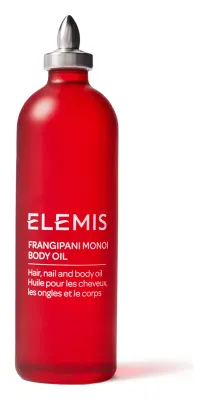
Elemis Frangipani Monoi Body Oil
Frangipani extract, monoi extract, and coconut oil · combination, dry, normal, oily, sensitive skin · scented
AmazonBrand lists it for dry skin
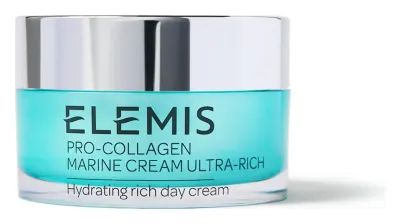
Elemis Pro-Collagen Marine Cream Ultra-Rich
Padina pavonica, Chlorella vulgaris, Ginkgo biloba, cocoa seed butter, and collagen amino acids · dry skin · scented
AmazonBrand lists it for combination skin
Elemis Pro-Collagen Night Cream
Padina Pavonica Thallus Extract · combination, dry, normal skin · scented
Amazon

All 16 products with Hydroxycitronellal
Daily Moisturizers & Water Gel Creams (4)

Body Creams, Butters & Body Oils (3)
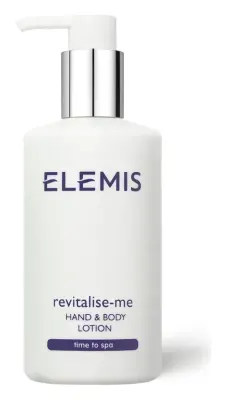
High-Definition Camouflage Concealers (3)
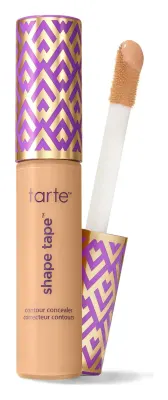

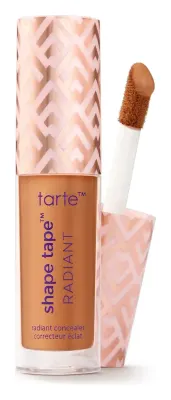
Premium Overnight Recovery Packs & Sleeping Facials (1)

Full-Coverage Camouflage & Liquid Foundations (1)
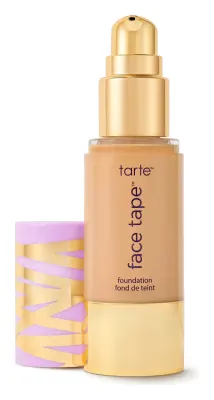
Face Oils & Treatment Oils (1)
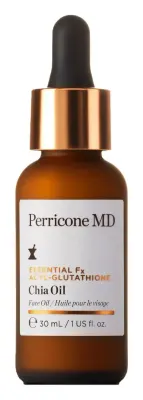
Hydrating Toners, Essence Waters & Face Mists (1)
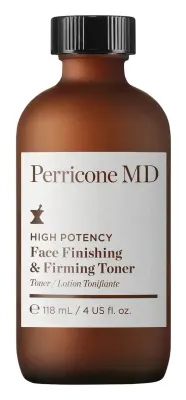
Anti-Aging & Retinoid Serums (1)

Cream & Gel Treatment Masks (1)
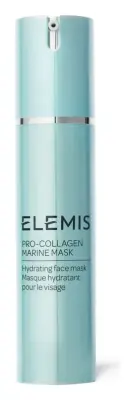
Common questions
What is hydroxycitronellal in skincare?
Hydroxycitronellal is a fragrance ingredient used for a fresh, floral scent. It may be made synthetically or occur as a fragrance material in aromatic blends.
Why is hydroxycitronellal listed by name?
EU rules require certain fragrance allergens, including hydroxycitronellal, to be named on the label above specified levels. In the United States, fragrance components may be listed under Fragrance or Parfum, so an individual name may not appear.
Who should avoid hydroxycitronellal?
People with a known hydroxycitronellal allergy should check labels and follow their clinician's advice. If you prefer to avoid added fragrance, choose fragrance-free products and check the full ingredient list.
Is hydroxycitronellal naturally occurring?
It can be present in some fragrant plant materials and is also manufactured for use in fragrance. The ingredient name does not tell you the source in a finished product.