Inositol
What inositol does in cosmetics, why it is often used as a humectant, and how to keep claims about this ingredient in perspective.
Extremely safeIn 8 products we cover
We may earn a commission when you buy through links on this page. It never changes what we recommend.
Quick facts
- INCI name
- Inositol
- CAS number
- 87-89-8
- Origin
- Plant-derived or Synthetic
- Chemical class
- Sugar alcohol (cyclitol)
- What it does in a formula
- humectant, skin conditioning
- Why it is in the formula
- Added mainly to support hydration and skin conditioning in a formula.
What it is
A cyclic carbohydrate in the cyclitol family, inositol functions in cosmetics as a water-soluble humectant and skin conditioner. It occurs naturally across plant tissues and human cells, with cosmetic supplies derived from diverse sources. Formulators incorporate it into serums and daily creams to attract water and support comfortable skin hydration.
Although inositol may be presented as an active, its main cosmetic role is humectant support. Humectants help attract and hold water in the outer layers of skin. Its presence does not establish a special treatment effect, and it is not the same as a vitamin that you need to apply to correct a deficiency. The complete formula determines what a product can reasonably do.
What it does
- Supports hydration. As a humectant, it can contribute to a hydrated feel.
- Conditions skin. It may be used to support a comfortable skin feel in a product.
- Fits into water-based formulas. Its water solubility makes it practical in serums and lotions.
- Plays a modest role. It is a supporting ingredient, not necessarily the reason to buy a product.
Who it suits
If you are looking for hydration, inositol may be one of several humectants in a formula. It does not need to be singled out or treated as a must-have active. Look at the product as a whole: humectants, emollients, texture, and fragrance all affect whether you like using it.
Inositol is not an exfoliant and does not call for the caution associated with stronger active ingredients. Still, any product can irritate some people. Patch-test a new formula if your skin is sensitive, and stop using it if you notice persistent discomfort. Ask a dermatologist about a recurring skin concern rather than relying on an ingredient marketed with vitamin-like language.
What to pair it with, and what not to
Inositol can be part of a hydrating formula alongside familiar humectants such as glycerin or hyaluronic acid. An emollient moisturizer can complement a watery serum. There is no need to stack multiple products just to raise the amount of inositol in your routine.
Skin Realist check: A small ingredient can have a small job. Not every label name needs a heroic backstory.
Quick picks with Inositol
Scent-free, no patch-test flags on the label
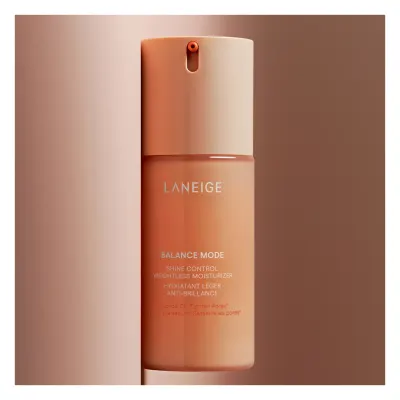
Laneige Balance Mode Shine Control Weightless Moisturizer
Rice bran water, niacinamide, squalane, madecassoside, and rice ferment · oily, combination, sensitive, normal skin · scent-free label
AmazonBrand lists it for sensitive skin
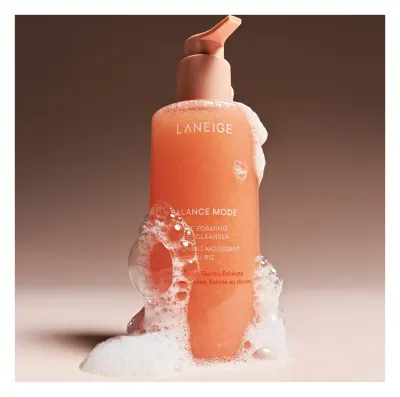
Laneige Balance Mode Rice Foaming Deep Cleanser
Rice-inamide Complex, rice powder, glycolic acid, and ceramide · combination, oily, normal, sensitive skin · scent-free label
AmazonBrand lists it for oily skin
Dermalogica biolumin-c vitamin c eye serum
Vitamin C complex, Arjun tree extract, chia seed oil, Tremella mushroom, micro-algae and Poria mushroom · oily, dry, combination, sensitive, normal skin · scented
Amazon

All 8 products with Inositol
Daily Moisturizers & Water Gel Creams (2)

Anti-Aging & Retinoid Serums (1)
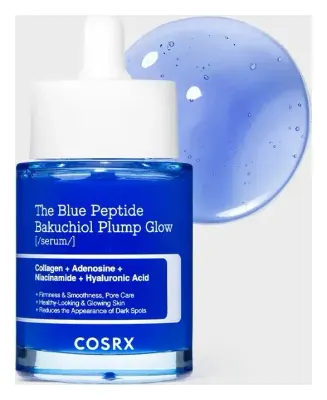
Gel, Foam & Cream Facial Cleansers (1)
Eye Creams & Under-Eye Patches (1)
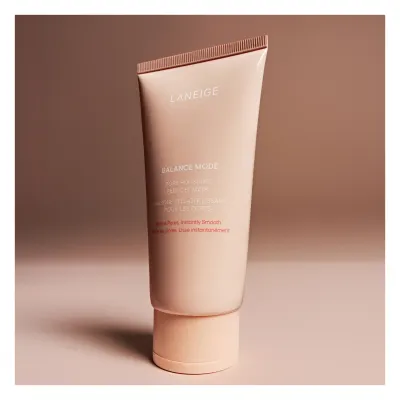
Cream & Gel Treatment Masks (1)
Dermatological Acne & Chemical Exfoliating Liquids (1)
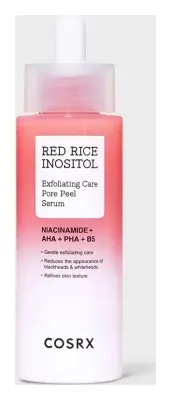
Premium Double-Cleansing Balms & Melting Gels (1)
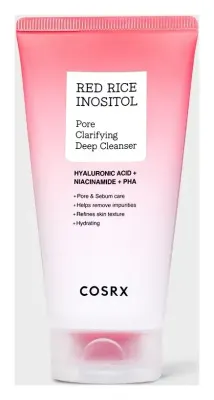
Common questions
What is inositol in skincare?
Inositol is a water-soluble sugar alcohol used in cosmetics mainly as a humectant and skin-conditioning ingredient. It may be marketed as an active, but its practical role is usually hydration support.
Is inositol the same as vitamin B8?
Inositol is sometimes informally called vitamin B8, but it is not officially classified as a vitamin. Its cosmetic use should be understood from the product formula, not its nickname.
Does inositol hydrate skin?
As a humectant, it can help support a hydrated feel in the outer skin layers. It works as part of a formula and does not replace a moisturizer by itself.
Can inositol be used with other skincare ingredients?
It does not require a special pairing and is compatible with many routine ingredients. Choose products based on the complete formula and follow their directions.