Linalyl Acetate
What linalyl acetate does as a fragrance ingredient, where it occurs naturally, and why people avoiding scent may skip it.
We may earn a commission when you buy through links on this page. It never changes what we recommend.
Quick facts
- INCI name
- Linalyl Acetate
- CAS number
- 115-95-7
- Origin
- Plant-derived or Synthetic
- Chemical class
- Fragrance ester
- What it does in a formula
- fragrance
- Why it is in the formula
- Linalyl acetate adds a fresh, floral aroma to scented skincare and personal-care formulas.
What it is
Associated with a fresh, floral scent character, linalyl acetate is an aromatic ester found naturally in lavender and other plants or produced synthetically for fragrance blends. It contributes aroma to cosmetic formulas, though the finished scent depends on the full blend. Consumers may see it listed individually on an ingredient list or present inside a broader botanical oil.
Linalyl acetate is a fragrance component, not an active ingredient intended to change skin texture or hydration. Research has examined the possibility that linalyl acetate can oxidize after exposure to air and that some oxidation products may act as contact allergens. That research is about fragrance sensitization, not a prediction that a given cosmetic will bother every user. If the full formula contains an essential oil, it may also contain a naturally occurring mix of scent compounds.
What it does
- Adds fragrance. It contributes a floral, fresh note to perfumes and scented cosmetics.
- Complements other aroma materials. It can be part of a blend that creates a product’s overall scent.
- Can be present in plant oils. Aromatic oils may contain it naturally, even when it is not added as a separate ingredient.
Who it suits
If you enjoy fragranced skincare and have no known sensitivity, linalyl acetate may simply be one of the materials that gives a product its scent. People who avoid fragrance may prefer to skip it, along with other fragrance materials. Someone with a known fragrance allergy should follow clinician guidance and check the complete label rather than relying on one ingredient name alone.
A study of oxidized linalyl acetate is one reason fragrance researchers pay attention to the compound, but it does not establish a universal reaction risk for ordinary use. Scent sensitivity and contact allergy vary among people. If you are trying to identify a trigger, introduce fewer new fragranced products at once and stop using a product that causes persistent irritation. A dermatologist can help assess recurring reactions.
What to pair it with, and what not to
Linalyl acetate is a fragrance component and does not need a companion active. If you are avoiding scent, look at both fragrance and essential oils because either may add aromatic materials.
Skin Realist check: A lavender-adjacent scent is still a scent. You are allowed to enjoy it, avoid it, or feel entirely neutral.
Quick picks with Linalyl Acetate
Brand lists it for sensitive skin
Elemis ULTRA SMART Pro-Collagen Aqua Infusion Mask
ULTRA SMART Aqua Shuttle Technology, sodium hyaluronate, Padina pavonica, collagen amino acids · combination, dry, normal, oily, sensitive skin · scented
AmazonBrand lists it for dry skin
Elemis ULTRA SMART Pro-Collagen Day Cream
ULTRA SMART Aqua Shuttle Technology, ULTRA SMART Line Fighting Complex, ULTRA SMART Resilience Complex · combination, dry, normal skin · scented
AmazonBrand lists it for combination skin
Dermalogica futurecode booster damage-correcting longevity serum
Teprenone, niacinamide, sunflower sprout extract, acetyl zingerone, rosehip oil, rosemary, tara fruit extract, red algae, hyaluronic acid, and saccharide isomerate · normal, combination skin · scented
Amazon



All 11 products with Linalyl Acetate
Daily Moisturizers & Water Gel Creams (4)



Anti-Aging & Retinoid Serums (1)
Cream & Gel Treatment Masks (1)
Sheet, Hydrogel & Clay Masks (1)

Hydrating Toners, Essence Waters & Face Mists (1)

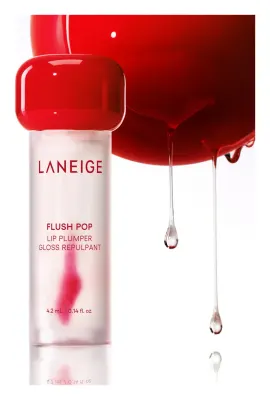
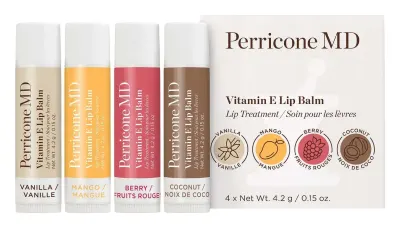
Lipsticks, Glosses & Lip Liners (1)
Hydrating Serums, Essences & Ampoules (1)

Skincare Sets & Routine Kits (1)
Common questions
What does linalyl acetate do in skincare?
It is mainly used as a fragrance ingredient. It contributes an aromatic note rather than serving as a moisturizer or exfoliant.
Is linalyl acetate found in essential oils?
Yes. It occurs naturally in some aromatic plants and essential oils, including lavender oil. It can also be made synthetically for fragrance use.
Can linalyl acetate cause a skin allergy?
Research has examined contact allergy to linalyl acetate, including its oxidized forms after exposure to air. This does not mean every scented product containing it will cause a reaction, but people with fragrance sensitivity may choose to avoid it.
Should I avoid linalyl acetate if I avoid fragrance?
Yes. It is a fragrance material, so a fragrance-avoiding routine would generally skip products listing it. In some countries, fragrance blends may also be listed under terms such as fragrance or parfum.