Mentha Arvensis Leaf Oil
What Mentha arvensis leaf oil contributes as a fragrant mint essential oil, why it can bother reactive skin, and who should skip it.
Patch-test firstIn 11 products we cover
We may earn a commission when you buy through links on this page. It never changes what we recommend.
Quick facts
- INCI name
- Mentha Arvensis Leaf Oil
- Origin
- Plant-derived
- Chemical class
- Mint essential oil
- What it does in a formula
- fragrance, skin conditioning
- Why it is in the formula
- Mentha arvensis leaf oil adds a minty scent and may create a cooling sensory effect.
What it is
Unlike fixed carrier oils or true peppermint oil (Mentha piperita), Mentha arvensis leaf oil is a volatile essential oil distilled from the leaves of cornmint (Mentha arvensis). Both mints provide a characteristic aroma, but they represent different botanical sources. Formulators include this concentrated plant oil in cosmetic products primarily to provide fragrance.
Mint oils can contain aromatic components such as limonene or linalool. In the United States, those components may not always be listed individually, so the INCI name does not tell you every fragrance constituent. The oil may also create a cooling sensation. That sensation is not a measure of a skin benefit, and people who avoid fragrance may prefer to skip it. Read more about fragrance and essential oils if you are checking scented products.
What it does
- Adds scent. Mentha arvensis oil contributes a minty aromatic note to the product.
- Creates a cooling feel. Some users may notice a fresh or tingling sensation, which is sensory rather than proof of an effect.
- Adds an essential-oil component. Its composition can vary by source and processing.
- May be an irritant for some. Essential oils can be a poor fit for fragrance-sensitive or reactive skin.
Who it suits
This is a scent ingredient, so people avoiding fragrance should skip it. The rating is caution: mint essential oil may bother sensitive skin and should not be mistaken for a soothing active because it feels cool. Fragrance-sensitive users may react to the oil itself or one of its components. US labels may not list every fragrance allergen separately. If you know you react to mint or fragrance, choose an unscented alternative. Stop using a product if it burns or causes persistent irritation, and talk with a dermatologist about recurring reactions.
What to pair it with, and what not to
Mentha arvensis leaf oil does not need an active partner. If you already use other scented products, adding another essential oil may make it harder to identify a trigger. Keep fragranced products away from irritated skin and choose a fragrance-free moisturizer if scent is not part of what you want.
Skin Realist check: A cooling tingle is not a progress bar. If your skin likes a quieter routine, you can leave minty fragrance on the shelf.
Quick picks with Mentha Arvensis Leaf Oil
Brand lists it for oily skin
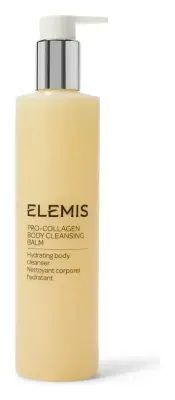
Elemis Pro-Collagen Body Cleansing Balm
Collagen amino acids, Padina pavonica, borago seed oil, camelina seed oil, echium seed oil · combination, dry, normal, oily skin · scented
AmazonFeatured in our guides
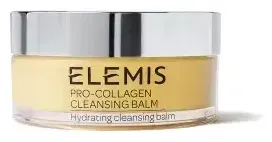
Elemis Pro-Collagen Cleansing Balm
Padina Pavonica Thallus Extract · scented
Amazon
All 11 products with Mentha Arvensis Leaf Oil
Body Creams, Butters & Body Oils (3)
Daily Moisturizers & Water Gel Creams (2)

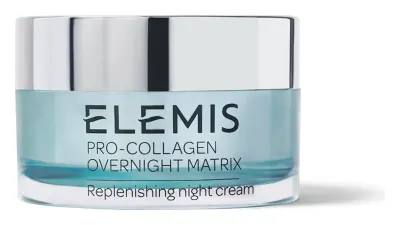
Skincare Sets & Routine Kits (2)
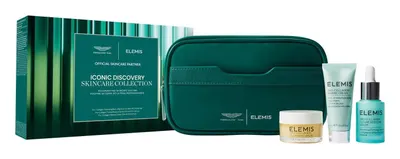
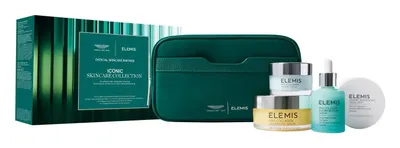
Premium Double-Cleansing Balms & Melting Gels (1)
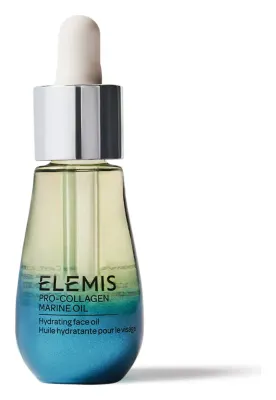
Face Oils & Treatment Oils (1)
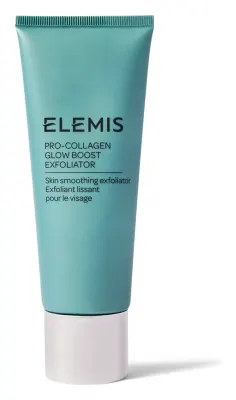
Physical & Enzyme Face Exfoliants (1)
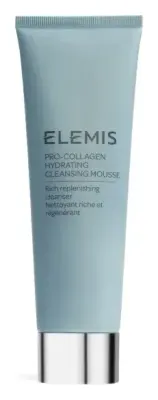
Gel, Foam & Cream Facial Cleansers (1)
Common questions
What is Mentha arvensis leaf oil in skincare?
It is an aromatic oil from the leaves of Mentha arvensis, also called cornmint or wild mint. It is mainly used to add fragrance and a cooling sensory impression.
Is Mentha arvensis leaf oil a fragrance ingredient?
Yes. It is an essential oil used for scent. People avoiding fragrance may prefer products without it or other aromatic ingredients.
Can Mentha arvensis oil irritate skin?
Mint oils can be irritating for some people, especially on reactive skin. Stop using a product that stings or causes ongoing redness, and ask a dermatologist if symptoms persist.
Will the label list allergens in mint oil separately?
Not always in the United States. An essential oil can contain fragrance components such as limonene or linalool that may not be named separately on a US ingredient list.