Mica
How mica and synthetic fluorphlogopite add light and color to makeup, plus what their labels say about shade and sourcing.
Extremely safeIn 43 products we cover
We may earn a commission when you buy through links on this page. It never changes what we recommend.
Quick facts
- INCI name
- Mica
- Origin
- Mineral or Synthetic
- Chemical class
- Layered silicate mineral or synthetic mica
- What it does in a formula
- colorant, bulking, opacifying
- Why it is in the formula
- Adds shimmer, slip, and reflected light that can help makeup create or fine-tune a shade and finish.
- Regulatory notes
- In the United States, color additives must be FDA-approved for their intended use; some also require batch certification.
What it is
Mica encompasses a group of naturally occurring sheet silicate minerals milled into fine, light-reflecting flakes for cosmetic products. Skincare and makeup formulas use it to add shimmer, glow, and optical radiance. While lab-made synthetic fluorphlogopite mimics this structure, natural mica is mined from the earth rather than synthesized in a factory.
You may find mica in eyeshadow, highlighter, blush, foundation, and other color cosmetics. Its reflective quality can add shimmer, brighten a shade, or make a powder look less flat. The appearance depends on particle size, coatings, and the other pigments in the blend. A mica line does not tell you the exact shade or amount of sparkle.
What it does
- Reflects light. Mica can create a pearly, shimmery, or soft-focus finish in powders and creams.
- Helps shape a shade. Along with pigments such as iron oxides, it can add brightness and dimension that matter for matching makeup to your skin tone.
- Improves feel. Fine mineral particles can help a powder spread and feel smooth.
- Offers a synthetic alternative. Synthetic fluorphlogopite can provide similar visual effects without being mined mica.
Who it suits
Mica is a color and texture ingredient, not an exfoliant or active. Many people encounter it in makeup without needing a special routine change. If you are sensitive to a product, consider the whole formula, since pigments, fragrance, and preservatives may also be present. Patch-test a new product if you have a history of cosmetic reactions.
Ethical sourcing is a reasonable question, but the ingredient name does not reveal the mine, labor conditions, or supply-chain checks behind a batch. Synthetic fluorphlogopite has a different source profile, though sourcing and manufacturing impacts still depend on its supplier. Contact a manufacturer if origin or traceability matters to you.
In the United States, cosmetic color additives must be approved for their intended use. Some require FDA batch certification, while others are exempt. A label may show mica as CI 77019 or use another recognized ingredient name. In the United States, the color additive still has to be approved for its intended use.
What to pair it with, and what not to
Mica is usually blended with pigments, binders, and emollients in the product itself. You do not need to add a skincare ingredient to make it work. Choose makeup by its shade and finish in natural light when possible, and patch-test the complete formula if you know you react to color cosmetics.
Skin Realist check: Makeup gets to be decorative. Your ingredient list does not need to double as a geology exam.
How it appears on labels: Mica; Synthetic Fluorphlogopite; Mica (CI 77019)
Quick picks with Mica
Scent-free, no patch-test flags on the label
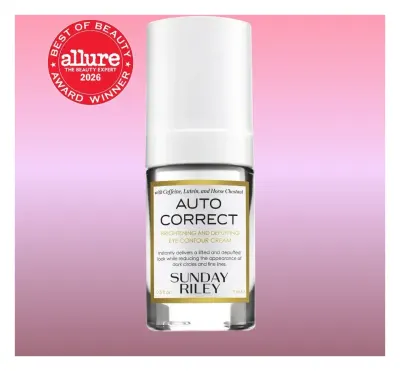
Sunday Riley Auto Correct Brightening + Depuffing Eye Cream
Caffeine · scent-free label
AmazonBrand lists it for sensitive skin
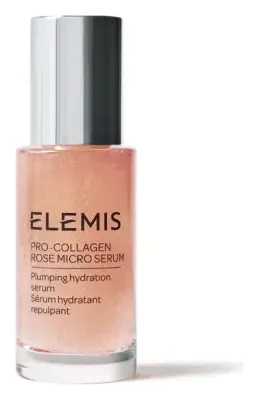
Elemis Pro-Collagen Rose Micro Serum
Rose extract, padina pavonica, collagen amino acids, and glycerin · sensitive skin · scented
AmazonFeatured in our guides
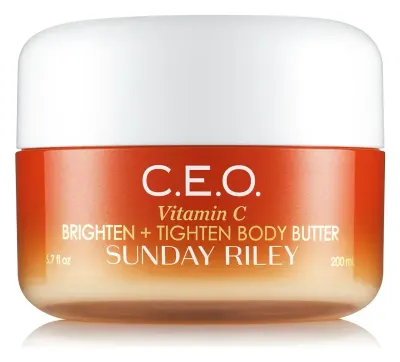
Sunday Riley C.E.O. Body Butter
Vitamin C (THD Ascorbate) · scented
Amazon
All 43 products with Mica
High-Definition Camouflage Concealers (9)
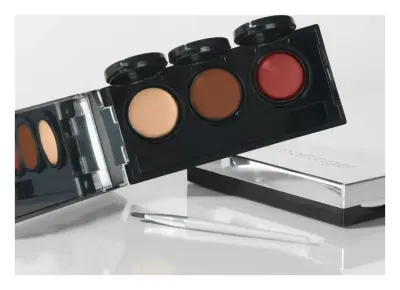 Dermaflage Tattoo Cover Up ConcealerAmazon
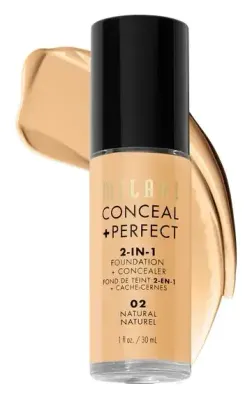 Milani Conceal + Perfect 2-In-1 Foundation + ConcealerAmazon
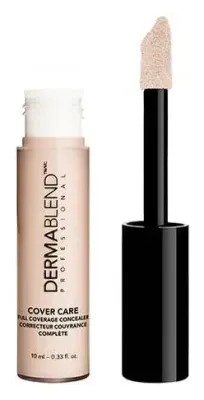 Dermablend Cover Care Full Coverage ConcealerAmazon
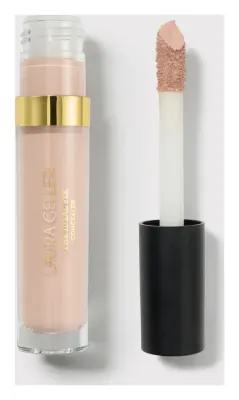 Laura Geller Ideal Fix ConcealerAmazon
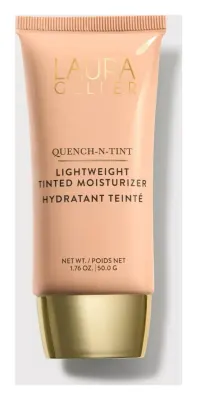
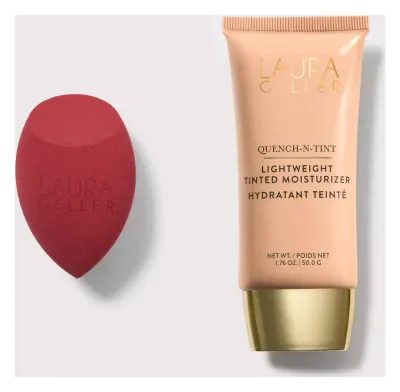 Laura Geller Quench-n-Tint Lightweight Tinted Moisturizer and SpongeAmazon
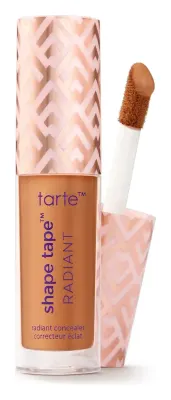 tarte travel-size shape tape™ radiant concealerAmazon
 Jane Iredale Active Light Under-eye ConcealerAmazon
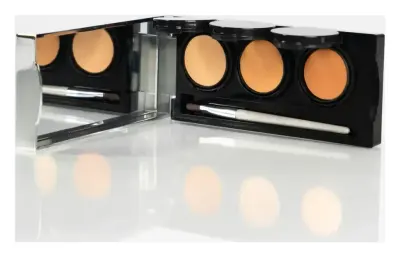 Dermaflage Pro Concealer PaletteAmazon
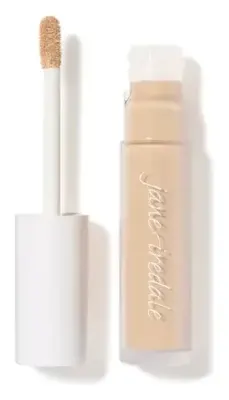 Jane Iredale PureMatch Liquid ConcealerAmazon
Eye Shadows, Liners, Mascara & Brow Makeup (6)
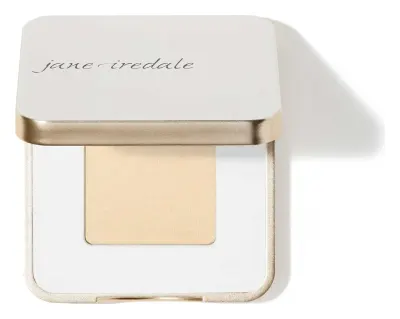
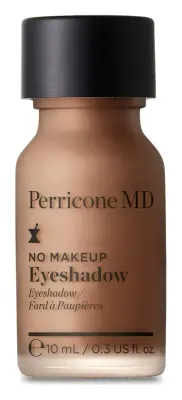
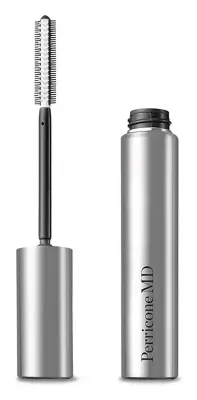
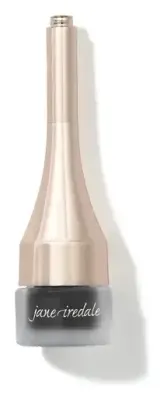
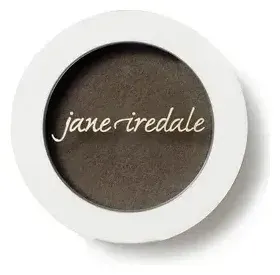
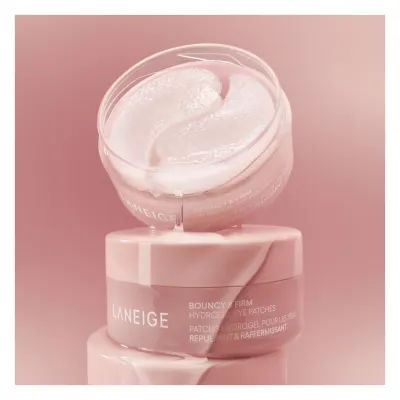
Eye Creams & Under-Eye Patches (5)



Mineral Pressed Powders & Skin-Nourishing Primers (5)
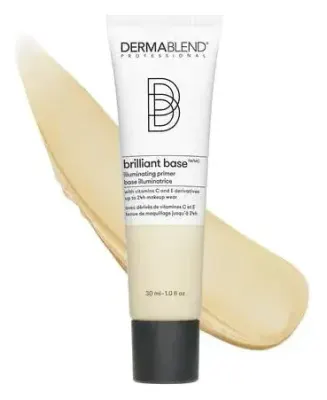
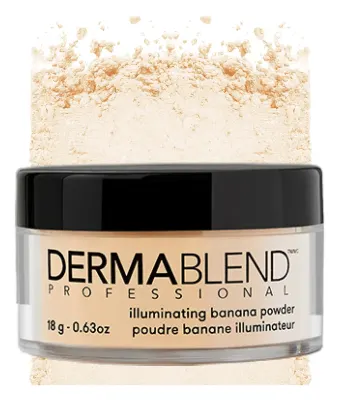

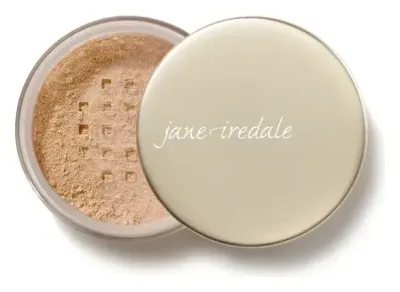
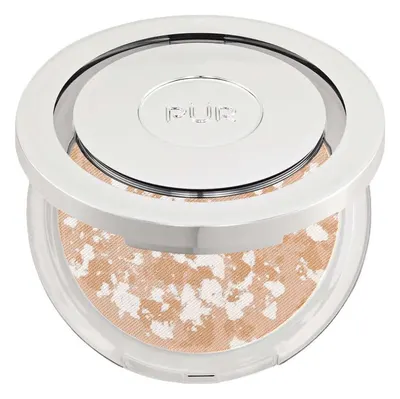
Full-Coverage Camouflage & Liquid Foundations (4)

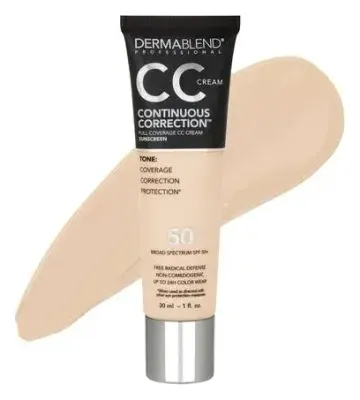
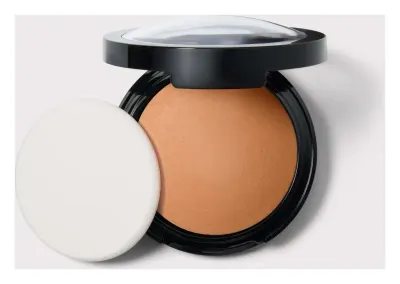
Blush, Bronzers & Highlighters (4)
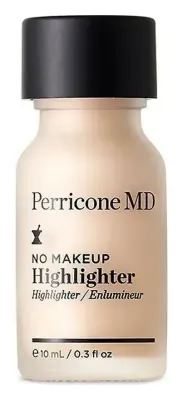
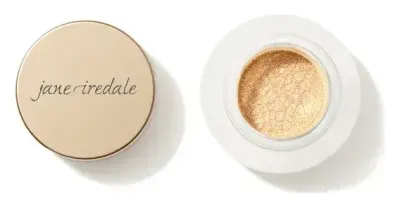
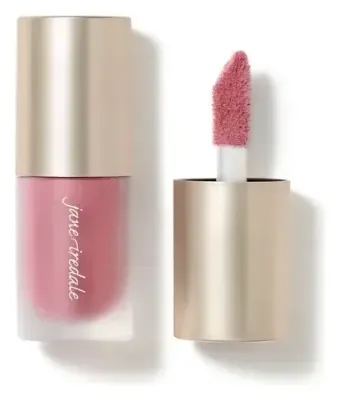
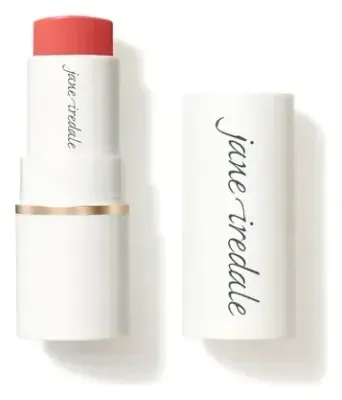
Daily Moisturizers & Water Gel Creams (2)
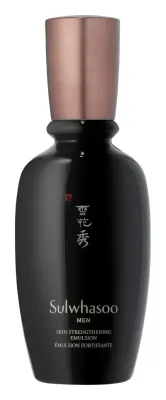

Daily Sunscreens & SPF Moisturizers (2)
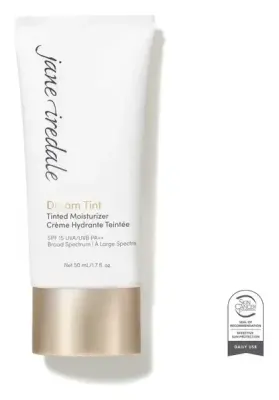
Body Creams, Butters & Body Oils (1)
Premium Overnight Recovery Packs & Sleeping Facials (1)

Hydrating Serums, Essences & Ampoules (1)
Cream & Gel Treatment Masks (1)
Anti-Aging & Retinoid Serums (1)

Lipsticks, Glosses & Lip Liners (1)
Common questions
What does mica do in makeup?
Mica is a mineral powder that can reflect light and give makeup a shimmer or soft-focus look. It can also contribute to texture and shade.
What is synthetic fluorphlogopite?
It is a lab-made mica-like material used for a similar reflective effect. A label with this name does not mean the product contains mined natural mica.
Is mica a colorant?
Mica can contribute color and optical effects, though the exact shade comes from the full blend of pigments and other ingredients. US color additives must be approved for their intended use, and some need batch certification.
Is mica ethically sourced?
Questions about labor conditions can come up with mined mica. The label alone does not identify a mine or supply chain, so contact the manufacturer if traceability matters to you.