Myristic Acid
What myristic acid does in skincare, how this fatty acid appears in cleansers and creams, and why the full formula matters.
Extremely safeIn 19 products we cover
We may earn a commission when you buy through links on this page. It never changes what we recommend.
Quick facts
- INCI name
- Myristic Acid
- CAS number
- 544-63-8
- Origin
- Plant-derived or Animal-derived or Synthetic
- Chemical class
- Saturated fatty acid
- What it does in a formula
- emollient, surfactant, cleansing
- Why it is in the formula
- It can add emollience or contribute to soap and cleansing ingredients, depending on the formula.
What it is
Myristic acid is a common saturated fatty acid present naturally in plant oils, animal fats, and synthetic raw materials. It serves in cosmetics primarily to build body, support emulsification, and create lather in cleansing formulas. Because the standardized INCI name does not specify raw material origins, shoppers must consult manufacturers directly to verify whether a batch is plant-derived.
In cosmetics, myristic acid may be used directly to add softness or structure, or as a starting material for soap and other cleansing ingredients. Its role changes with the rest of the formula. You may encounter it in cleansers, creams, or makeup, and its presence by itself does not tell you whether the product will feel rich, drying, or pore-clogging. It is a common formula building block rather than a headline active.
What it does
- Adds emollience. As a fatty acid, it can contribute to a soft, conditioned feel in a leave-on formula.
- Adds structure. It can help shape a product’s thickness and texture, particularly in creams and bars.
- Supports cleansing. It may be used in soaps and other surfactants. The finished cleanser’s performance depends on its complete design.
Who it suits
You do not need to choose or avoid a product based on myristic acid alone. A cream, makeup product, and cleanser containing the same fatty acid can have very different effects on how your skin feels. If you have oily or acne-prone skin, look at the full product type and how your skin responds rather than relying on an old comedogenicity chart. Those scores are not dependable predictions for finished formulas.
Because the source can vary, people who avoid animal-derived ingredients may want to ask the maker how its myristic acid is produced. A label name does not provide traceability. As with any product, patch-test new leave-on formulas if you have a history of sensitivity and stop using a product that causes a reaction. For recurring skin concerns, a dermatologist can help assess potential triggers.
What to pair it with, and what not to
Myristic acid needs no special pairing. It is already part of the product’s structure, cleansing system, or emollient blend. With a cleanser, follow the directions and rinse thoroughly; with a moisturizer, choose a texture you enjoy.
Skin Realist check: A fatty acid can be a quiet ingredient in the formula without becoming a personal forecast. Let the finished product show you how it feels.
Quick picks with Myristic Acid
Scent-free, no patch-test flags on the label
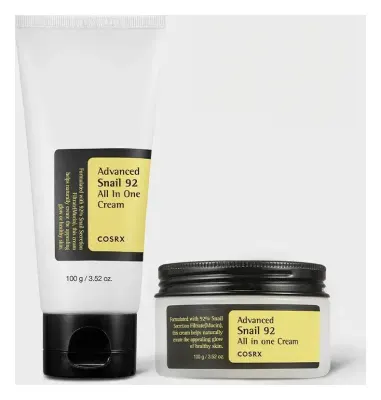
COSRX Advanced Snail 92 All in One Cream
Snail Secretion Filtrate · scent-free label
AmazonBrand lists it for sensitive skin
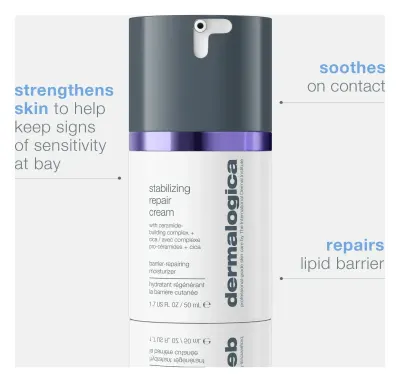
Dermalogica stabilizing repair cream
Resurrection Plant, Tasmania lanceolata extract, Boerhavia diffusa root, and a ceramide-building complex · sensitive skin · scent-free label
AmazonBrand lists it for dry skin
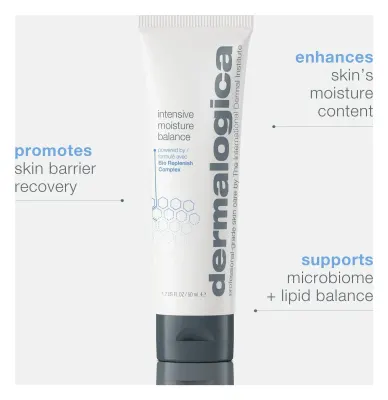
Dermalogica intensive moisture balance moisturizer
BioReplenish Complex, hyaluronic acid, chlorella algae, echinacea, centella asiatica, aloe vera · normal, dry skin · scent-free label
Amazon
All 19 products with Myristic Acid
Daily Moisturizers & Water Gel Creams (4)

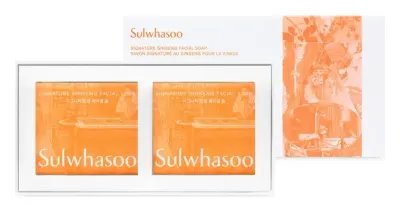
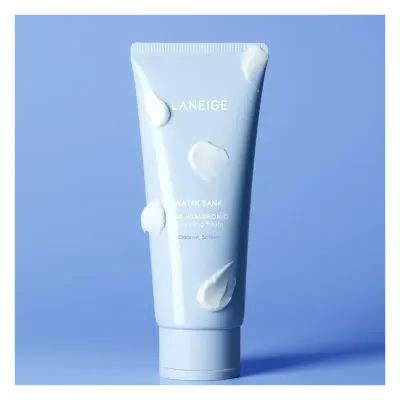
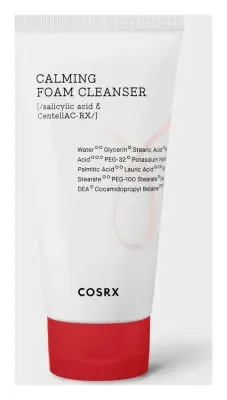
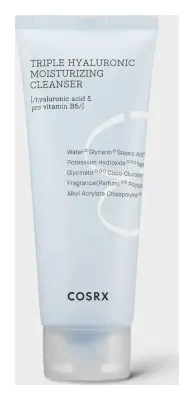
Gel, Foam & Cream Facial Cleansers (3)

Premium Double-Cleansing Balms & Melting Gels (3)
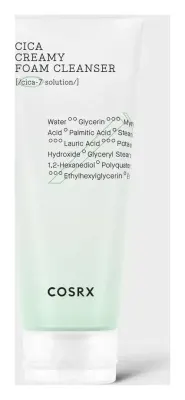
Anti-Aging & Retinoid Serums (2)


Eye Creams & Under-Eye Patches (2)
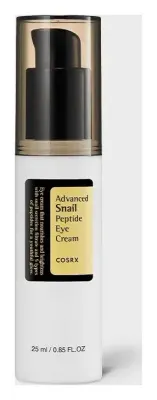

Skin Barrier Repair Creams & Recovery Jars (1)
Shaving Creams, Gels & Oils (1)
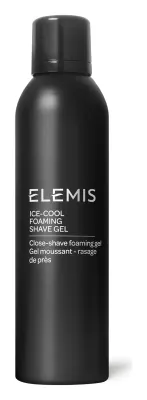
Hydrating Serums, Essences & Ampoules (1)
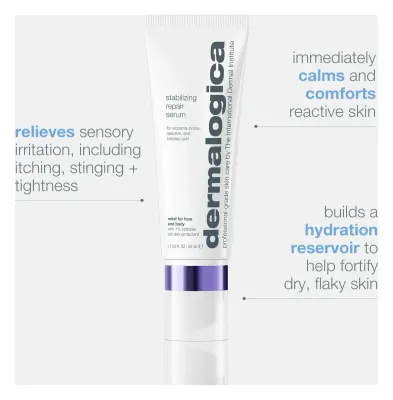
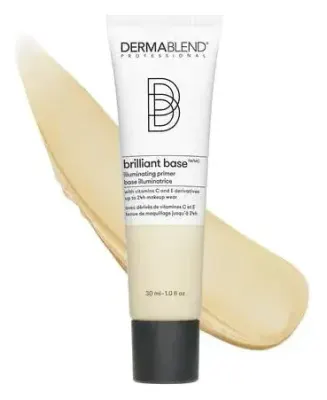
Mineral Pressed Powders & Skin-Nourishing Primers (1)
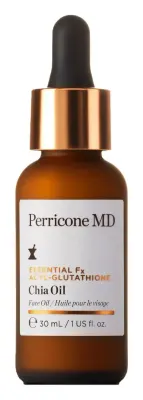
Face Oils & Treatment Oils (1)
Common questions
What does myristic acid do in skincare?
Myristic acid is a fatty acid that can help soften or structure a formula. It can also be used in making soap and other cleansing ingredients.
Is myristic acid plant-based?
It can be sourced from plant fats, animal fats, or synthetic production. The ingredient name alone does not reveal the source used by a manufacturer.
Is myristic acid comedogenic?
A single comedogenic score cannot reliably predict how a finished product will behave on your skin. The full formula and your own experience are more useful than a number assigned to one fatty acid.
Why is myristic acid in a cleanser?
It can be used to make soaps and other cleansing ingredients. The mildness of a cleanser depends on its surfactant blend, pH, and use, not myristic acid by itself.